The Flow Control Solenoid Valve is a crucial element in modern fluid control systems, playing an indispensable role in regulating the flow of gases, liquids, and other fluids in various applications. These valves combine electrical actuation and precise flow control, making them an essential part of industries like automotive, manufacturing, HVAC, and hydraulics. This article aims to explore the significance, working principles, applications, and advantages of Flow Control Solenoid Valves.
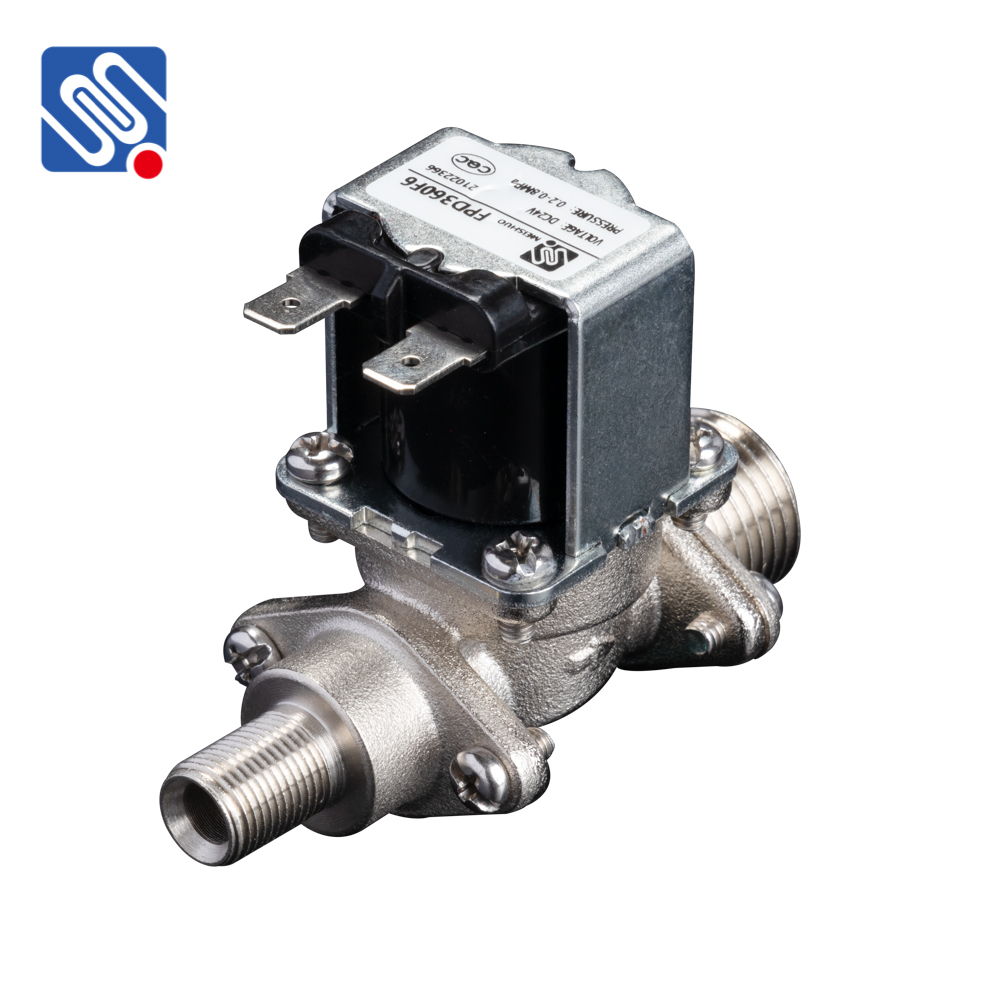
Working Principle of Flow Control Solenoid Valve At its core, a Flow Control Solenoid Valve operates based on the principle of electromagnetic control. When an electric current passes through the solenoid coil, it generates a magnetic field that activates the valve’s plunger or armature. This electromagnetic force either opens or closes the valve, regulating the flow of the fluid. The size of the valve opening determines the flow rate, and the amount of current applied to the solenoid controls the valve’s position, thus adjusting the flow rate accordingly. The valve typically has a feedback mechanism that allows it to make real-time adjustments. By continuously monitoring the fluid flow and making instant changes, these valves can maintain a consistent flow rate even under varying conditions. This level of control is crucial in automated systems where precise flow regulation is required.