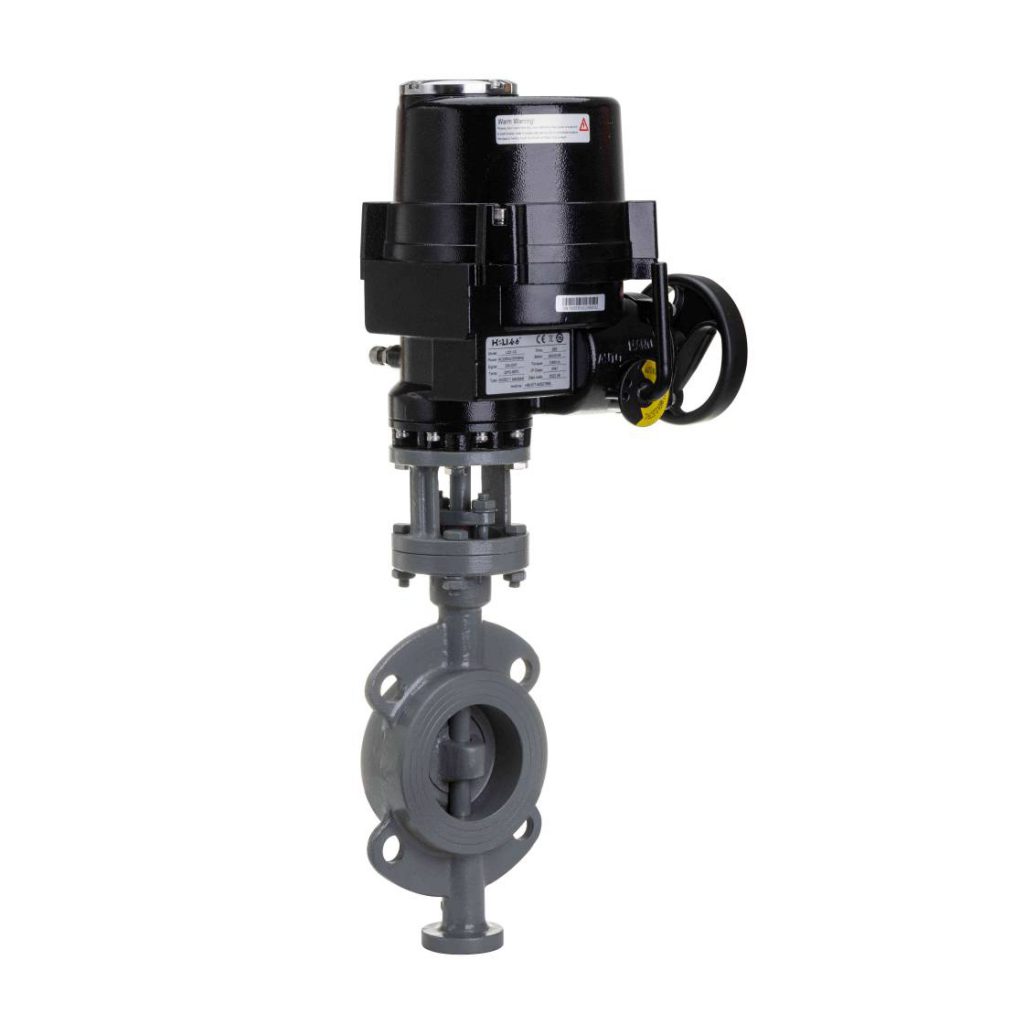
In the maritime industry, safety and reliability are paramount, especially when it comes to the control and regulation of fluid flow in various systems. Among the many types of valves used in marine applications, the Explosion-proof Marine Electric Butterfly Valve stands out as a critical component, offering both safety and operational efficiency. This article delves into the importance, design features, benefits, and applications of explosion-proof marine electric butterfly valves, explaining why they are indispensable in maintaining safety standards on marine vessels.
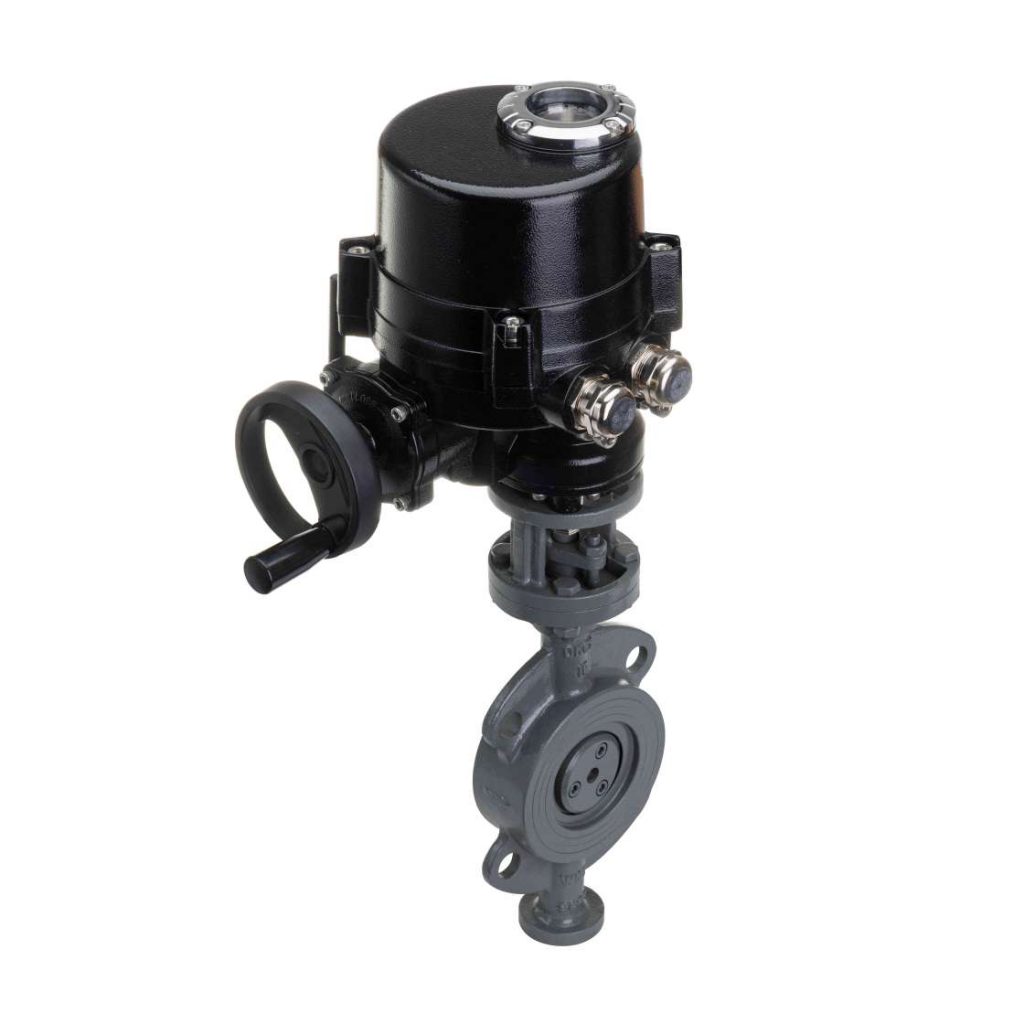
What is an Explosion-proof Marine Electric Butterfly Valve?
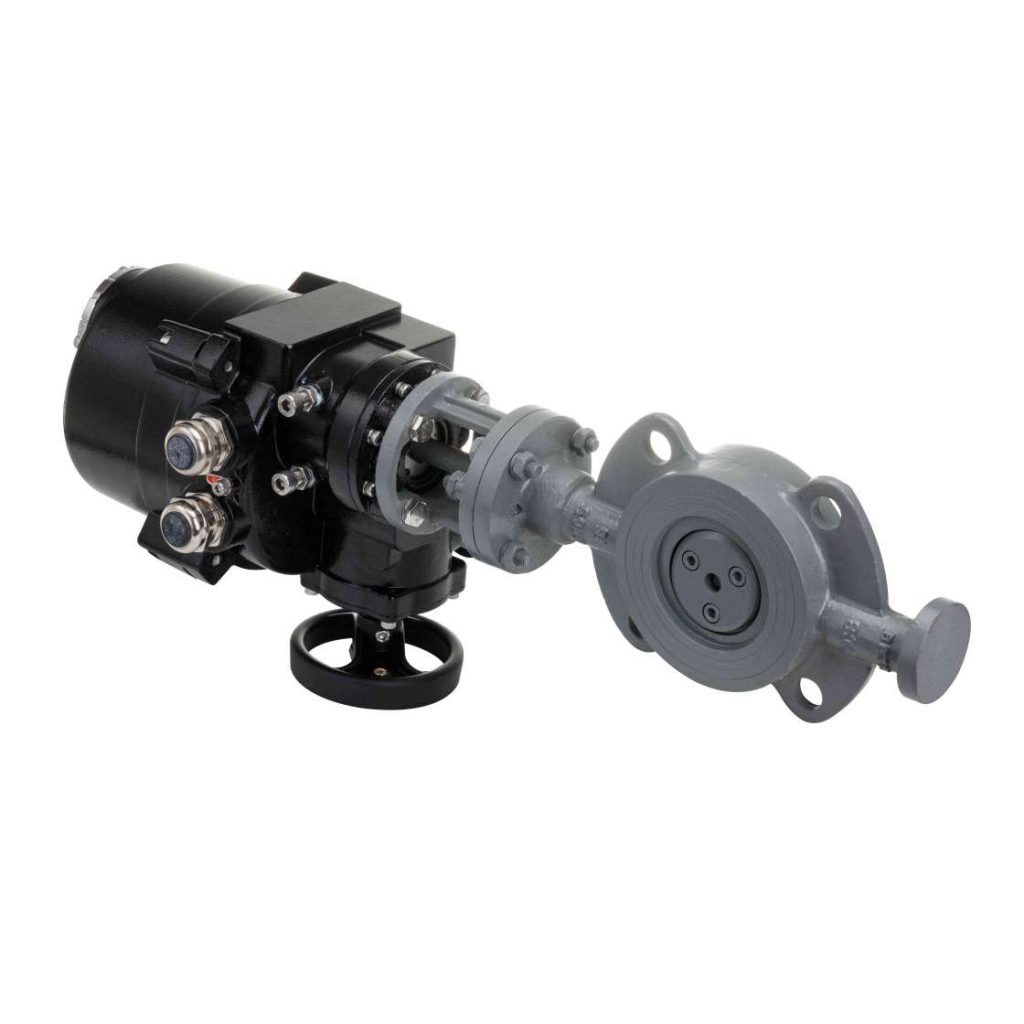
A butterfly valve is a type of valve used to regulate or isolate the flow of liquids or gases. The valve consists of a rotating disc, known as the “butterfly,” which is mounted on a shaft and controlled by an actuator. The electric actuator allows for automatic control of the valve, making it highly suitable for remote or automated systems. When we add the term “explosion-proof” to this design, it indicates that the valve is built to withstand hazardous environments where there is a risk of explosive gases, chemicals, or other volatile substances. Explosion-proof valves are specifically designed to prevent sparks or heat from the electrical components from igniting any surrounding hazardous materials. This makes them essential for use in areas where volatile gases, flammable liquids, or explosive vapors are present, such as oil rigs, chemical tankers, and other marine vessels operating in dangerous environments.