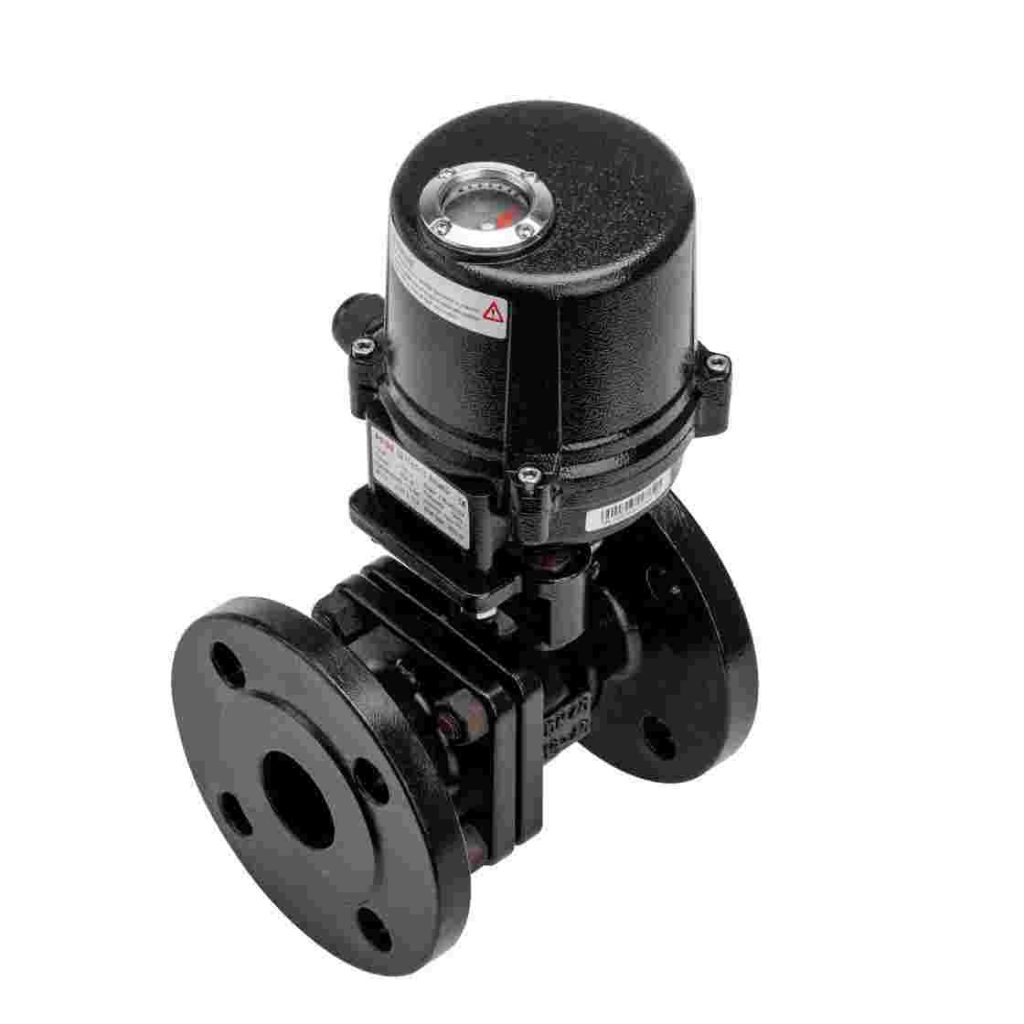
Explosion-proof electric high temperature ball valves are essential components in various industries where high temperatures and hazardous environments pose significant challenges. These advanced valves combine robust technology, precision control, and safety features, making them indispensable in sectors like oil and gas, chemicals, and energy production. In this article, we will explore the importance, features, and applications of explosion-proof electric high temperature ball valves, highlighting why they are vital in maintaining safety and operational efficiency.
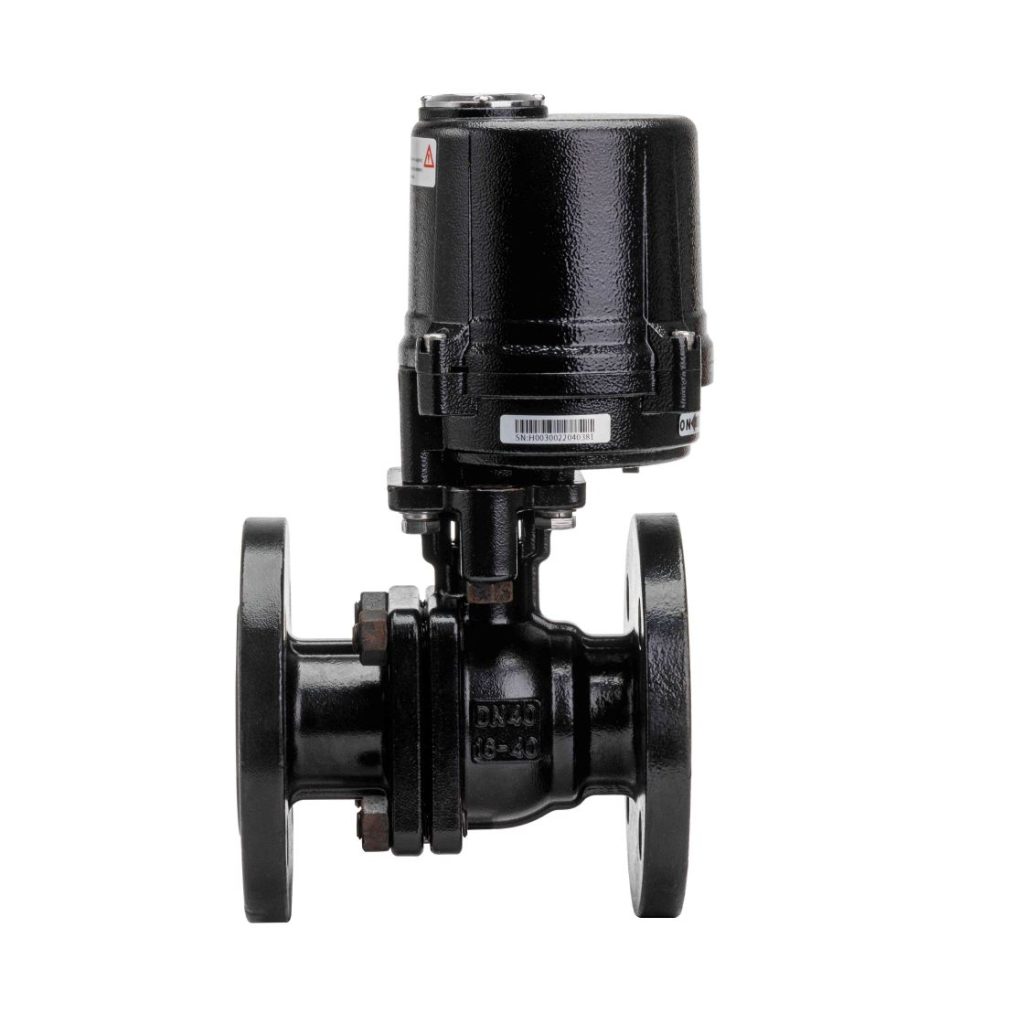
1. Understanding Explosion-proof Electric High Temperature Ball Valves
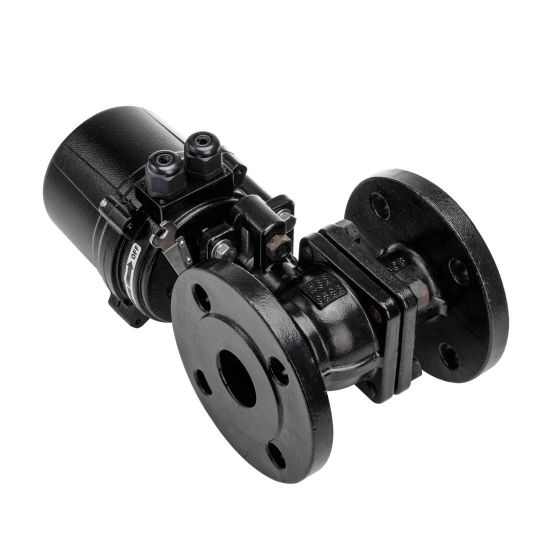
Explosion-proof electric high temperature ball valves are engineered to handle extreme conditions where both temperature and potential explosion risks exist. These valves are typically designed to operate at temperatures ranging from 200°C to 350°C, though some models can endure even higher temperatures. The ball valve itself, known for its ability to offer tight sealing and quick action, is controlled by an electric actuator, allowing precise automation and remote operation. The term “explosion-proof” refers to the valve’s construction and design, which are specifically meant to prevent sparks, electrical arcs, or any form of ignition from triggering an explosion in environments where volatile substances are present. These valves meet strict industry standards for explosion-proofing, such as those outlined by the ATEX or IECEx certifications, ensuring they can be safely used in hazardous areas classified as Zone 1 or Zone 2.