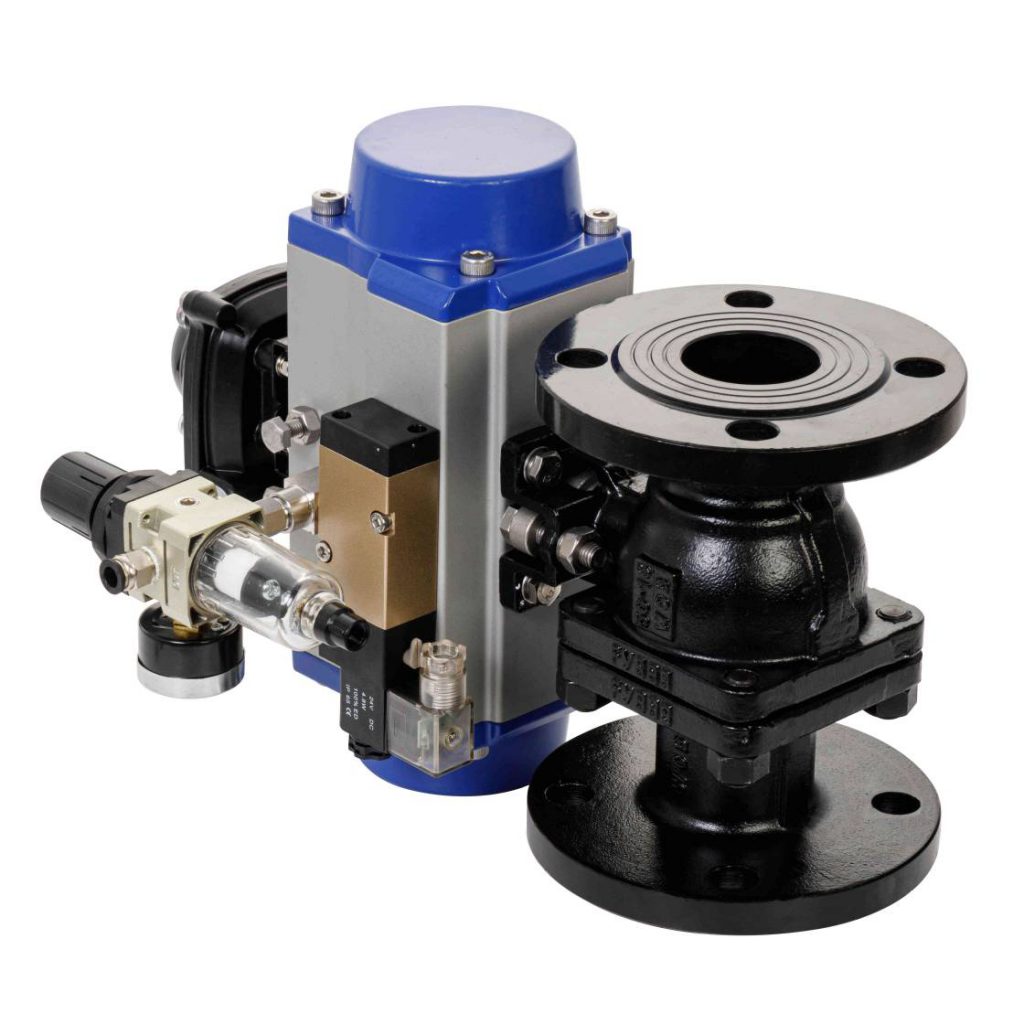
The WCB Pneumatic Ball Valve is a vital component in various industrial applications, serving as an effective solution for controlling the flow of fluids. As industries increasingly focus on efficiency and automation, the demand for reliable and precise valve systems has surged. This article delves into the key features, functionality, applications, and advantages of the WCB Pneumatic Ball Valve, emphasizing its significance in modern fluid control systems.
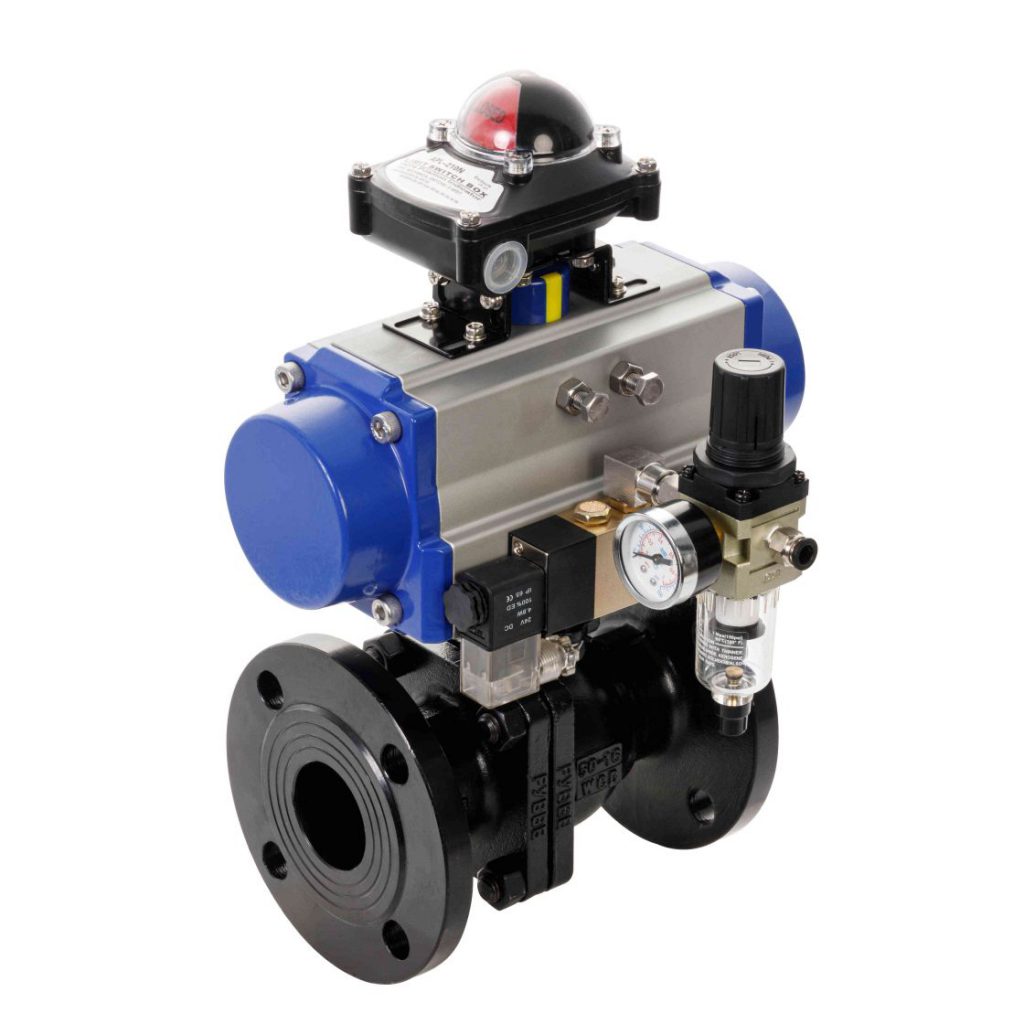
Understanding WCB Pneumatic Ball Valve
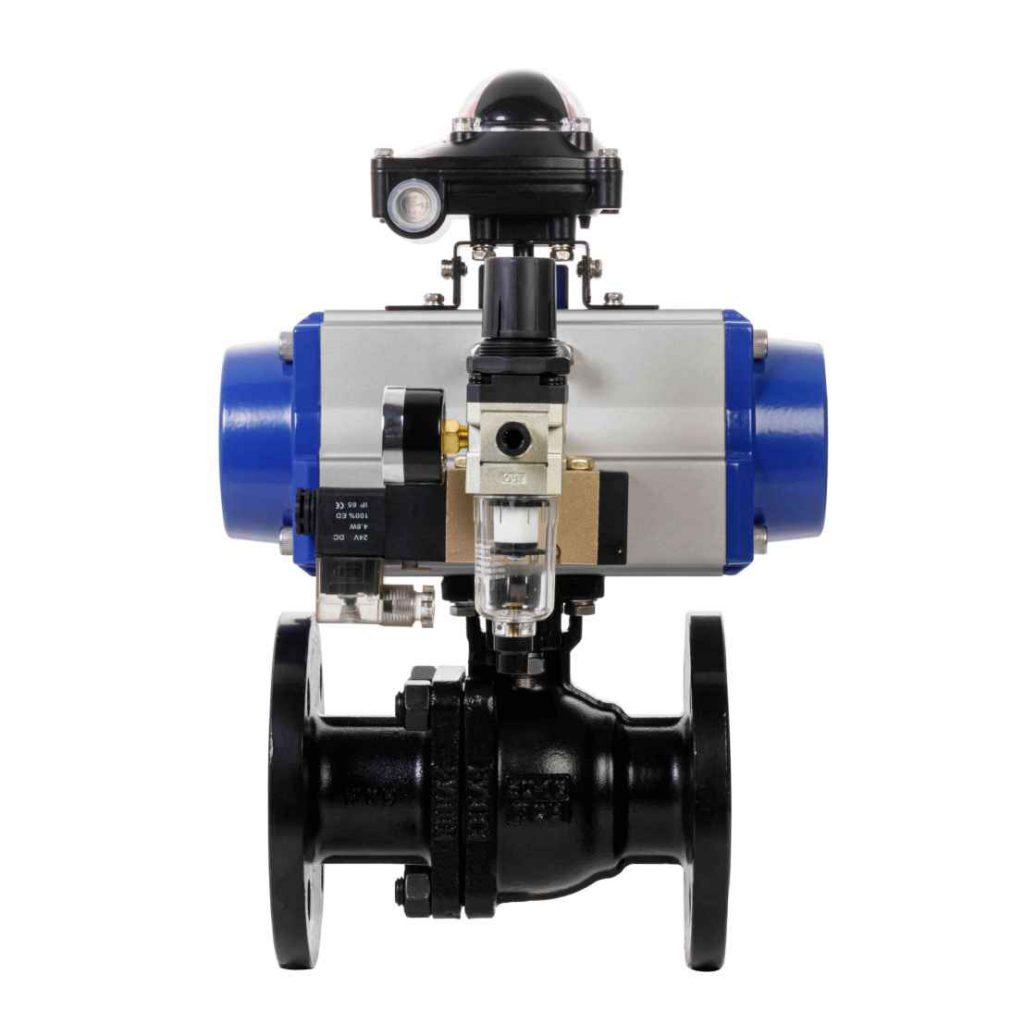
Pneumatic ball valves are devices that utilize compressed air to operate a spherical disc called a “ball,” which is pivotal in regulating the flow of liquids or gases through a piping system. The WCB (which stands for “Weldable Cast Bronze”) designation signifies the material composition of the valve, ensuring durability and resistance to corrosion and wear. The WCB Pneumatic Ball Valve is designed for high performance, offering quick and reliable shut-off capabilities, making it suitable for various operating environments. Key Features Durability: The WCB construction provides excellent resistance to corrosion, making the valve suitable for harsh environmental conditions. Its robust design ensures a long service life, reducing the need for frequent replacements and maintenance.