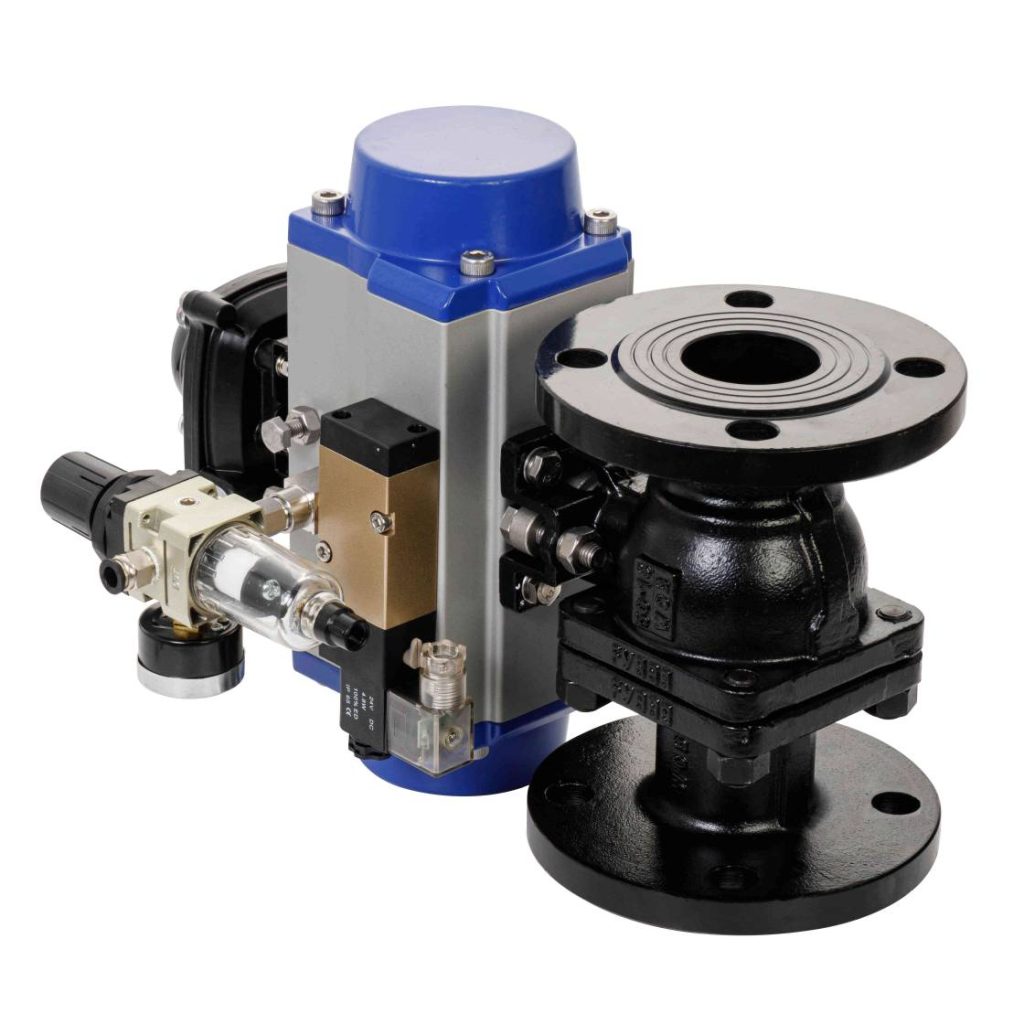
In the realm of industrial automation and fluid control, the WCB Pneumatic Ball Valve has emerged as a prominent and reliable solution for managing the flow of various fluids. Recognized for its robustness, precision, and efficiency, this type of valve plays an essential role in numerous applications, from oil and gas to water treatment and chemical processing. In this article, we will delve into the key features, advantages, applications, and considerations related to the WCB Pneumatic Ball Valve.
Understanding WCB Pneumatic Ball Valve
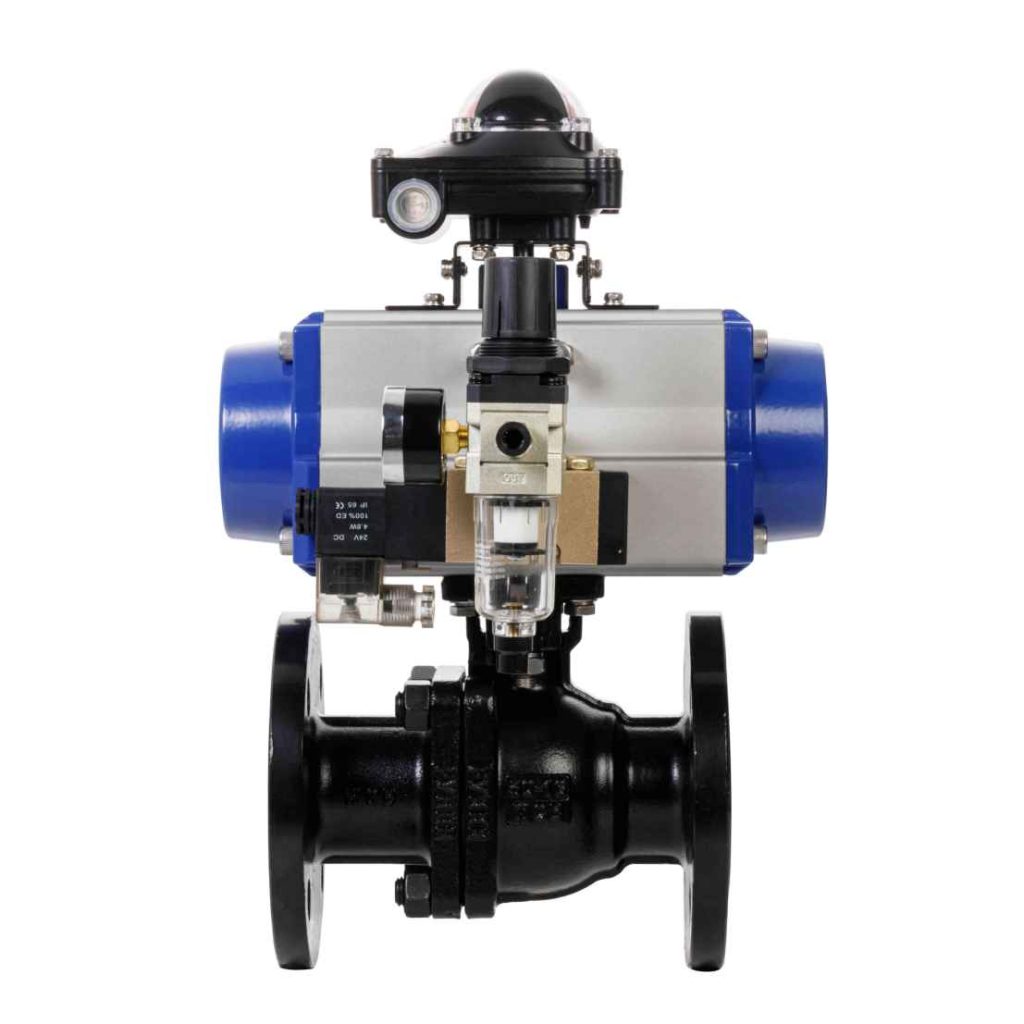
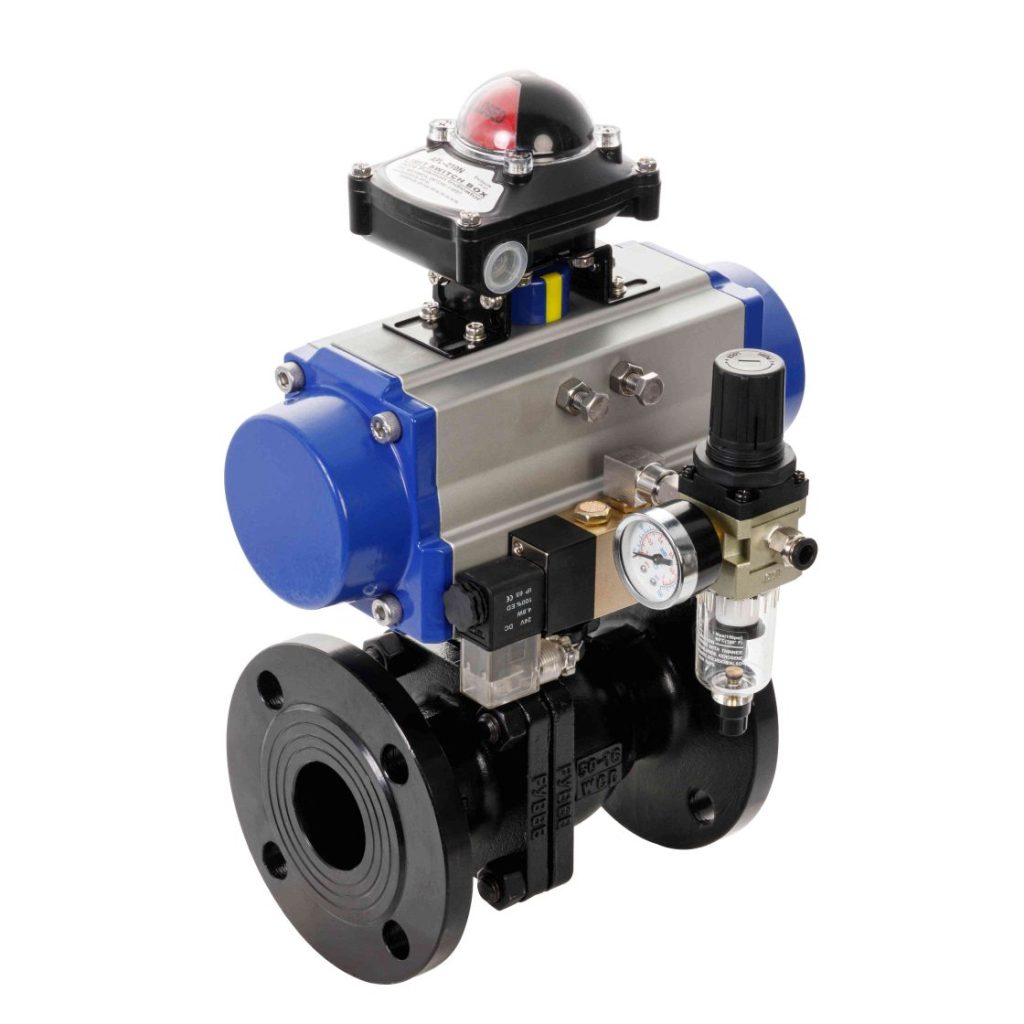
WCB, which stands for Forged Carbon Steel (Wrought Carbon Steel), denotes the material used to manufacture the valve body. This choice of material is significant due to its high strength, durability, and resistance to high temperatures and pressures. The structure of a pneumatic ball valve consists of a spherical disc, known as the ball, that rotates within the valve body. A hole through the ball allows fluid to pass when the valve is open, and when the ball is turned 90 degrees, the flow is stopped, providing a quick and effective means of controlling fluid flow. Pneumatic Actuation The WCB Pneumatic Ball Valve is actuated using a pneumatic drive system that relies on compressed air or gas. This system typically includes a pneumatic actuator that can be configured in two ways: single-acting or double-acting.