The Dual Relay Module is a versatile electronic component commonly used in automation projects, particularly when controlling high-voltage devices using a microcontroller like Arduino or Raspberry Pi. With the ability to switch multiple high-power circuits, the dual relay module is an essential part of various applications in home automation, industrial systems, and robotics. This article explores the functionality, features, and practical applications of the dual relay module, highlighting its importance in modern electronic and automation systems.
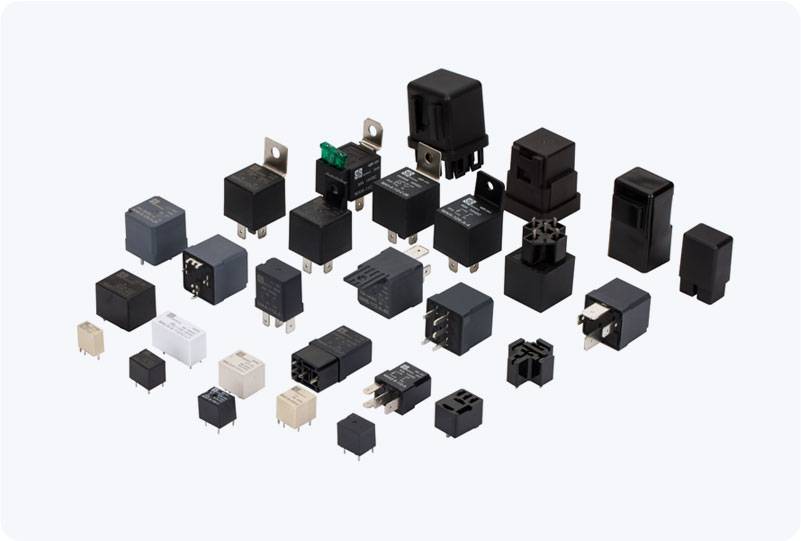
What is a Dual Relay Module? A Dual Relay Module consists of two independent relays integrated into a single module. Each relay is designed to switch high-voltage electrical circuits on and off, controlled by a low-voltage signal, typically from a microcontroller or microprocessor. These modules operate on a 3.3V or 5V power supply, which is common in most microcontroller boards. The relays are generally rated to handle up to 10A of current, making them suitable for switching most home appliances, lights, and small industrial machinery. Key Features of the Dual Relay Module Two Independent Relays: As the name suggests, a Dual Relay Module features two relays. This feature enables the simultaneous control of two separate devices or circuits. Each relay operates independently, meaning that one relay can switch one circuit on while the other relay switches a different circuit off, or vice versa.