Relay manufacturers play a critical role in the world of modern automation, providing essential components that enable the control and switching of electrical circuits in various applications. From industrial machinery to household appliances, relays are integral to many electrical systems, serving as intermediaries between low-power control circuits and high-power loads. This article explores the significance of relay manufacturers, the types of relays they produce, and how these components contribute to technological advancements.
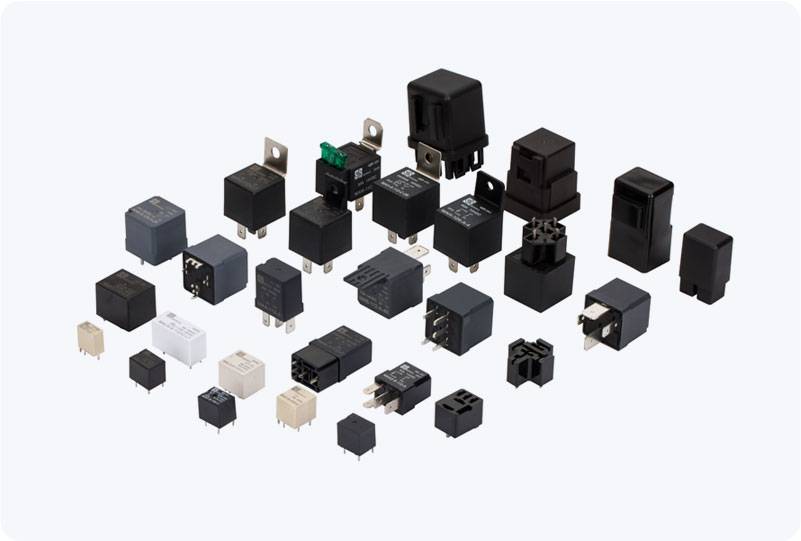
Understanding Relays At its core, a relay is an electrically operated switch that allows a small electrical current to control a much larger current. This switching mechanism is commonly used to control circuits in applications such as automotive systems, industrial machinery, telecommunications, and home appliances. Relays can either be electromechanical, using a coil and switch mechanism, or solid-state, using semiconductor components for switching operations. The Role of Relay Manufacturers Relay manufacturers design and produce relays that meet the diverse needs of modern industries. Their primary responsibility is to ensure that these components are reliable, durable, and capable of handling the specific requirements of the application. For instance, automotive relays must operate efficiently in a harsh environment with temperature fluctuations, vibration, and moisture. On the other hand, industrial relays must endure high electrical loads and be capable of withstanding frequent switching operations.