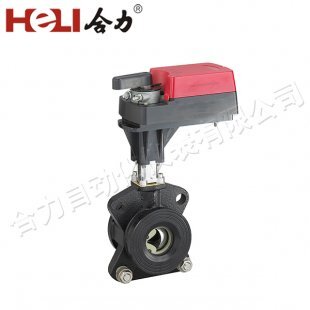
In recent years, the growing demand for sustainable energy solutions has led to innovative technologies that aim to reduce environmental impact and enhance energy efficiency. One such breakthrough is the Hydrogen Energy Damper Actuator (HEDA), a cutting-edge technology that combines the advantages of hydrogen energy and advanced mechanical systems to create a more sustainable, efficient, and eco-friendly energy conversion mechanism. This article delves into the principles, applications, and potential of the Hydrogen Energy Damper Actuator, highlighting its role in driving the transition to a greener future.
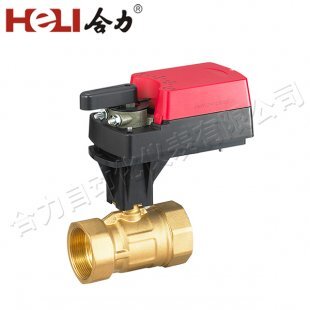
What is a Hydrogen Energy Damper Actuator?
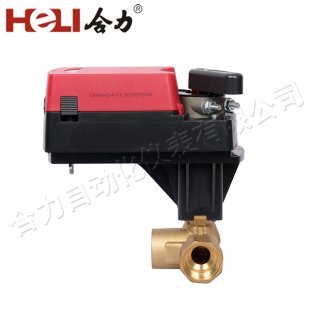
A Hydrogen Energy Damper Actuator is an advanced system designed to harness the power of hydrogen gas to perform mechanical tasks, particularly in damping or vibration control applications. The actuator operates using hydrogen as a source of energy, which is known for its high energy density and minimal environmental impact when used as a fuel. At its core, the HEDA functions similarly to a traditional hydraulic or pneumatic actuator, which converts energy into mechanical movement. However, instead of using hydraulic fluids or compressed air, it utilizes hydrogen gas stored in a high-pressure tank. The actuator controls the flow of hydrogen through a series of valves, regulators, and chambers to produce the desired motion. The key differentiator lies in the use of hydrogen, a clean and renewable energy source that significantly reduces the carbon footprint compared to conventional actuators.