In today’s rapidly evolving technological landscape, automation is becoming an integral part of various industries. One of the key components driving this transformation is the smart relay. A smart relay is a versatile and advanced device that combines the traditional functionality of a relay with modern digital features, such as remote control, data monitoring, and programmability. These relays are playing a crucial role in industrial automation, smart homes, and energy management systems. This article delves into the capabilities, applications, and benefits of smart relays, shedding light on their significance in modern automation.
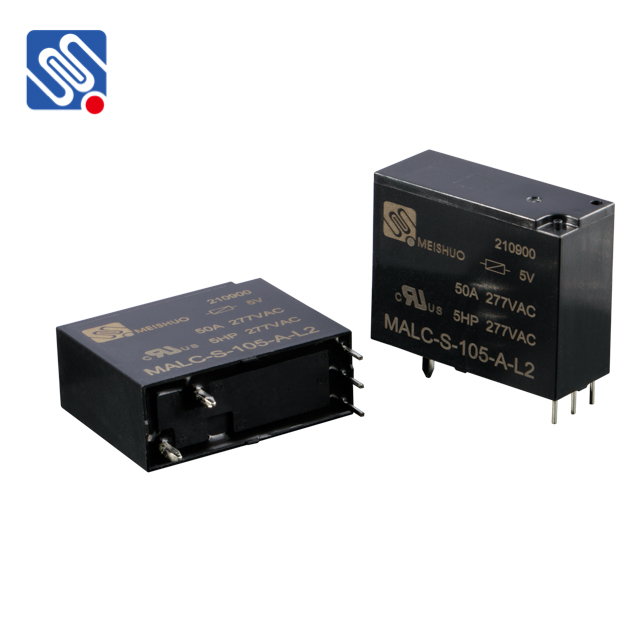
What is a Smart Relay? A smart relay, also known as a programmable relay, is a device that controls an electrical circuit by opening or closing contacts in response to input signals. Unlike traditional relays that only function as simple switches, smart relays incorporate advanced features such as microprocessors, communication protocols, and sensors. These enhancements enable them to perform more complex tasks, such as monitoring system parameters, executing logic operations, and communicating with other devices via wireless networks. In essence, a smart relay serves as the brain of an automation system, capable of making decisions based on predefined conditions and real-time data. This makes them ideal for applications where flexibility, remote control, and automation are essential.