Low voltage solenoid valves are essential components in a multitude of automated systems, allowing for precise control over fluid dynamics. These valves operate on the principle of electromagnetic force, providing a fast and reliable method for regulating the flow of various mediums, ranging from water to air and even corrosive liquids. With a design typically operating at low voltages—commonly 12V or 24V—these solenoid valves combine simplicity with efficiency, making them an invaluable asset in diverse industrial applications.
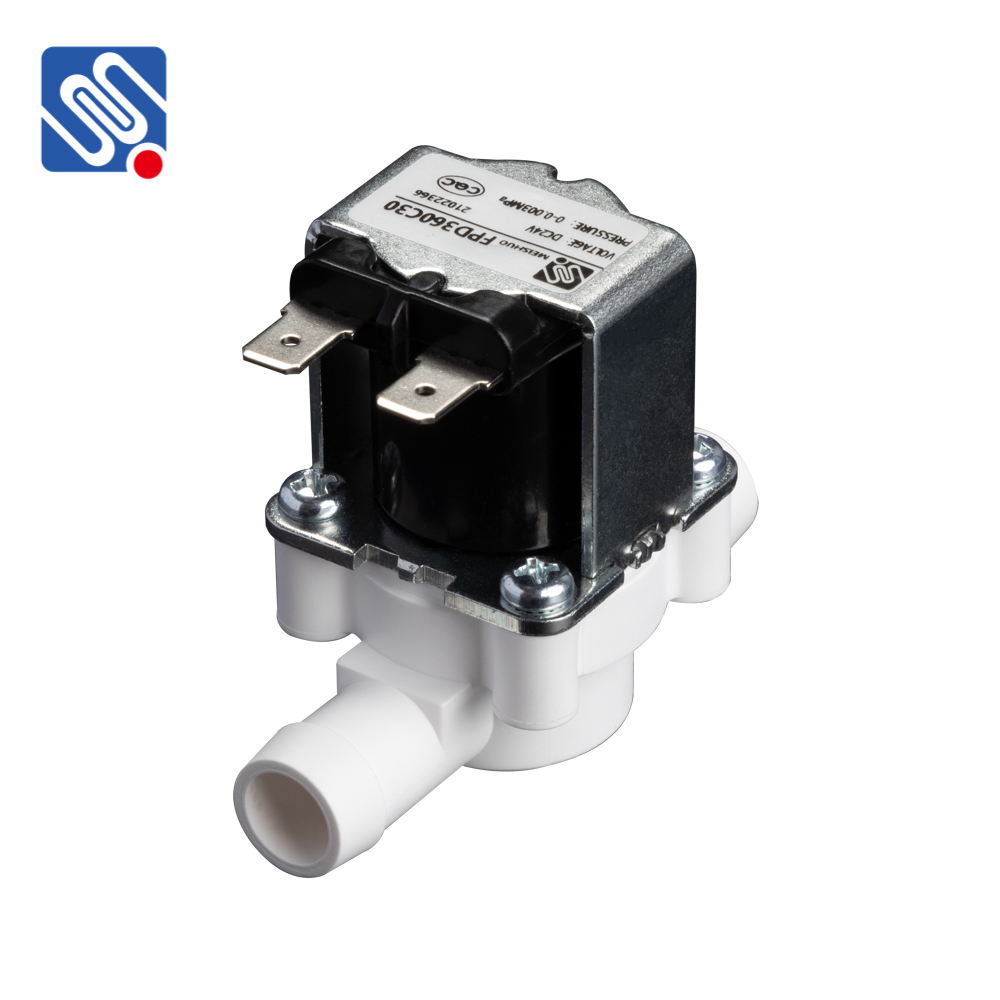
Understanding the Mechanism A solenoid valve consists of two primary components: a solenoid coil and a valve body. When electricity flows through the solenoid coil, it generates a magnetic field that activates the valve mechanism. This action opens or closes the valve, enabling or blocking fluid passage. Low voltage solenoid valves are particularly advantageous because they can be safely operated without the risk of electric shock, making them suitable for environments where safety is paramount. Advantages of Low Voltage Solenoid Valves Safety: Lower voltage levels reduce the risk of electric shock during maintenance or normal operation. This makes low voltage solenoid valves ideal for use in residential, agricultural, and many industrial applications.