A Bistable Relay, also known as a latching relay, is a unique type of relay that holds its position without requiring a continuous power supply. Unlike conventional relays, which need constant current to maintain their status, bistable relays are designed to maintain two distinct states, often referred to as “latched” and “unlatched,” until a pulse is applied to switch between them. This characteristic makes bistable relays a valuable component in a wide range of modern electronic systems, offering both power efficiency and long-term reliability. In this article, we explore the advantages, working principle, and practical applications of bistable relays.
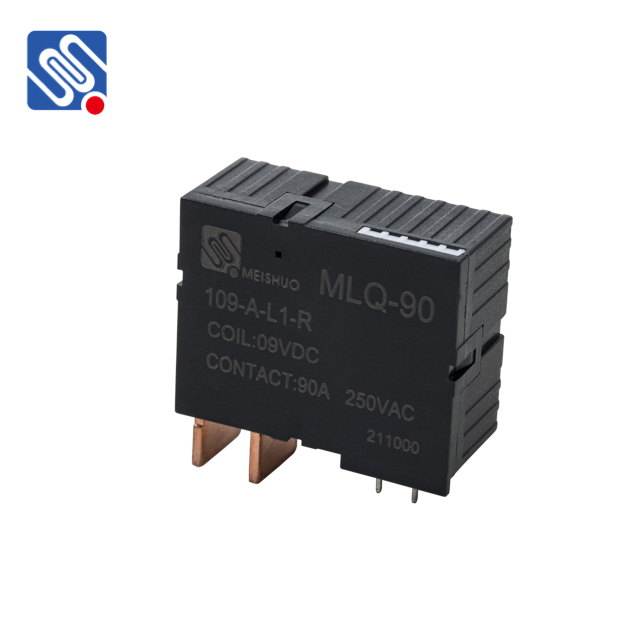
Working Principle of Bistable Relays The fundamental feature of a bistable relay is its ability to remain in either of two stable states after being toggled by a pulse signal. This is achieved using a mechanism that can be either electromagnetic or mechanical, depending on the specific design of the relay. Initial State: When the relay is powered, it moves to one of the two stable positions, depending on its initial condition. State Change: A pulse, either positive or negative, is then sent to the relay, causing it to switch to the opposite state. The relay will remain in this new position without needing any further current to be applied.