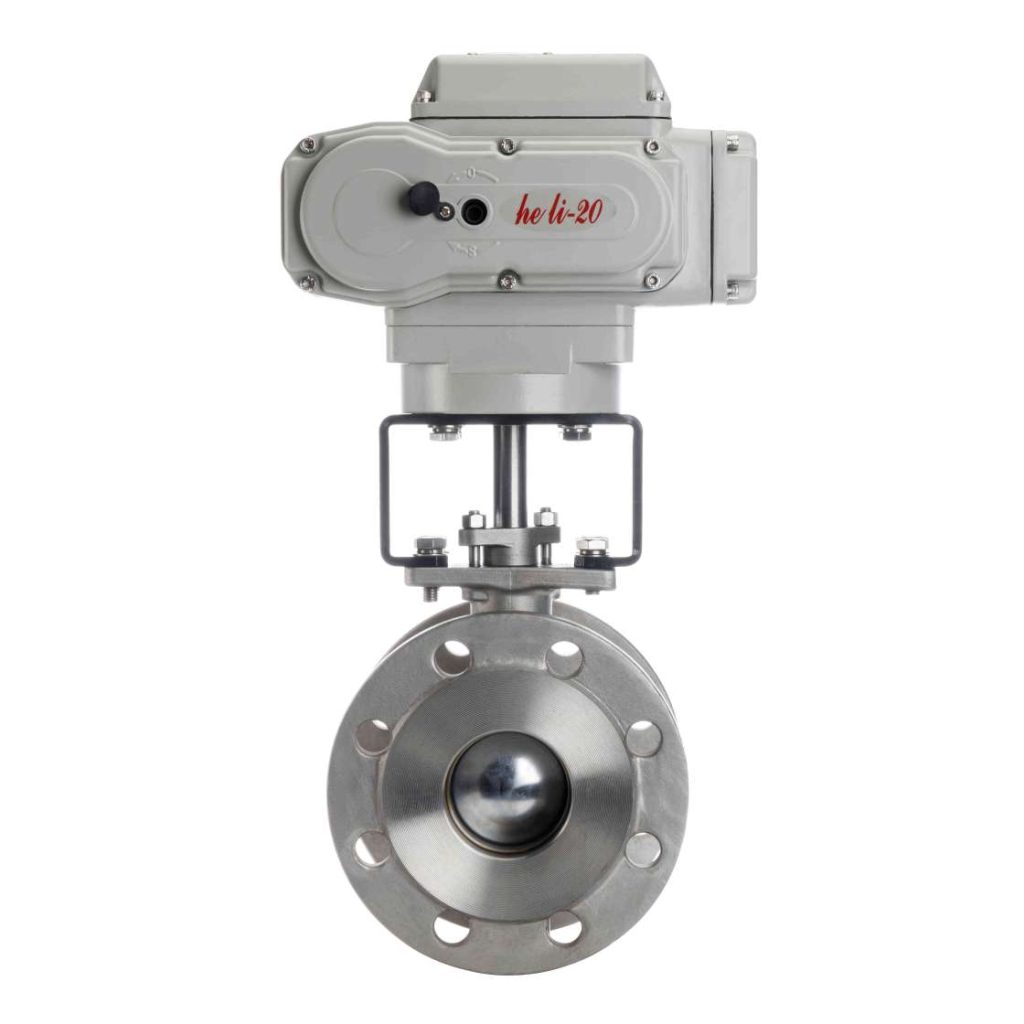
The WCB Electric V-ball valve is a highly versatile and essential component in many industrial applications that require precise control of fluid flow. This type of valve, combining electric actuation with the specialized V-ball design, offers a wide range of benefits, including high-performance flow regulation, durability, and automation integration. In this article, we will explore the key features, advantages, and various industrial uses of the WCB Electric V-ball valve, shedding light on its growing popularity in sectors such as chemical processing, power generation, and water treatment.
What is a WCB Electric V-ball Valve?
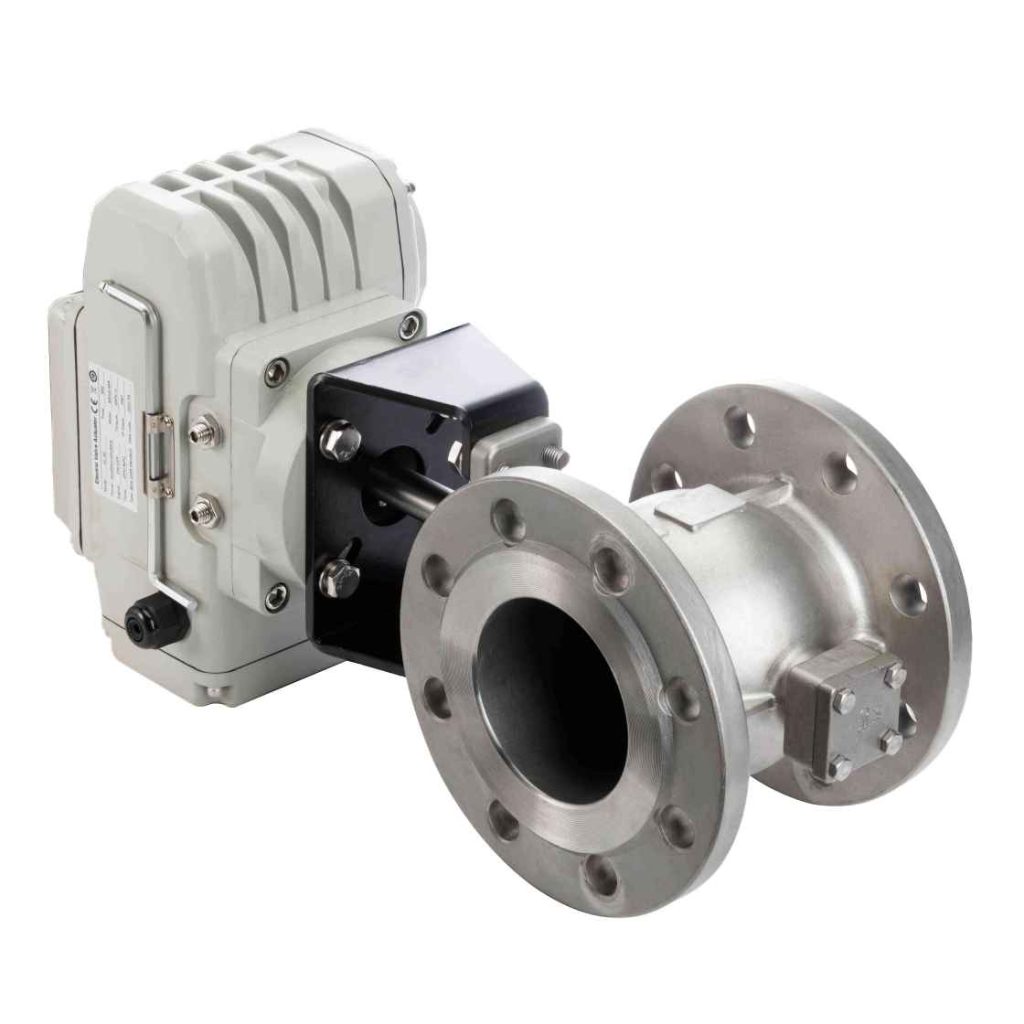
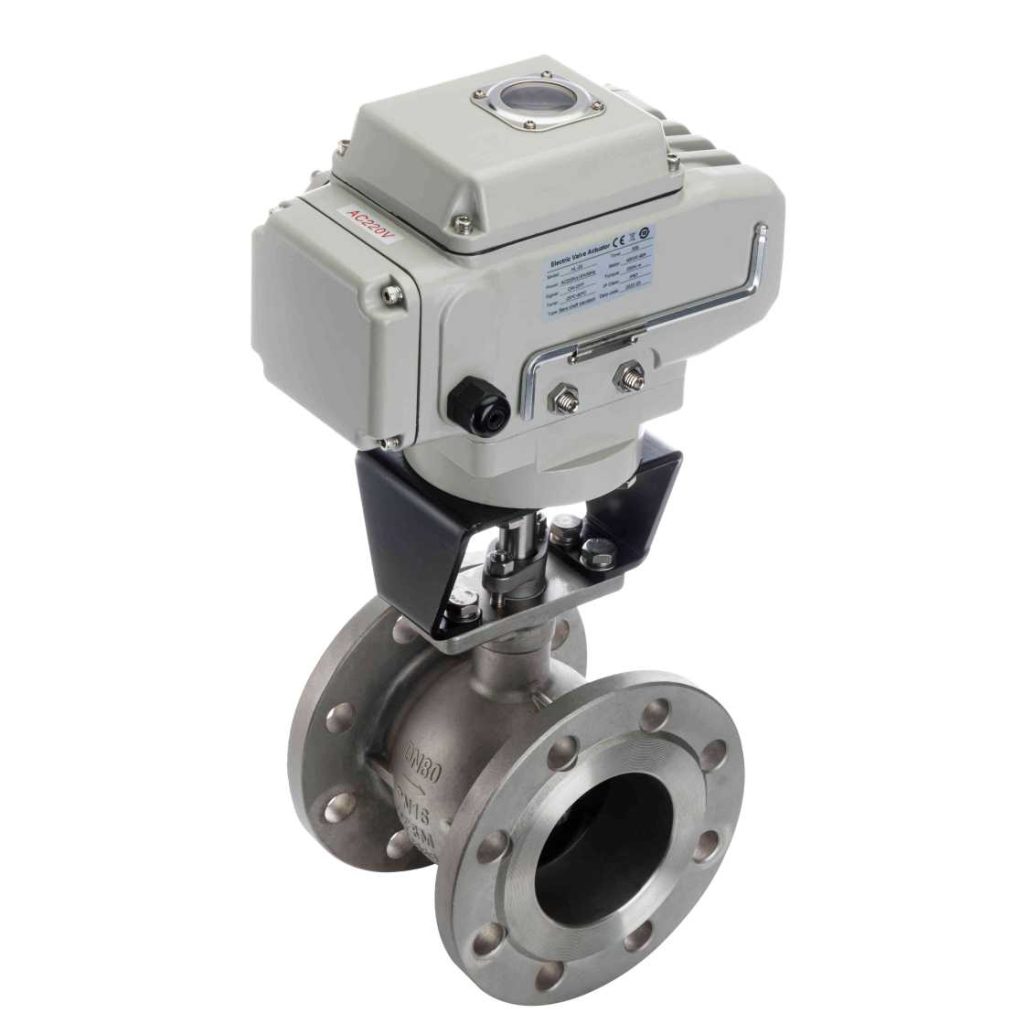
A WCB Electric V-ball valve combines two crucial elements: the valve body constructed from WCB (cast carbon steel) material and the innovative V-shaped ball design. The term “V-ball” refers to the shape of the ball inside the valve, which has a V-shaped cut that allows for more accurate control of fluid flow. The valve is electrically actuated, meaning it uses an electric actuator to precisely open or close the valve, offering an enhanced level of control compared to manual or pneumatic valves. WCB, the material used for the valve body, is known for its excellent mechanical properties, such as high strength and resistance to corrosion, making it ideal for use in demanding industrial environments. This construction ensures the valve’s long lifespan and ability to perform under harsh conditions, such as high pressures or temperatures.