Relay technology has long been an essential part of electrical systems and automation. Whether it’s used in household appliances, industrial machinery, or even advanced communication networks, relays have a profound impact on controlling and protecting electrical circuits. This article explores the principles behind relay technology, its various types, and the broad range of applications that benefit from its use.
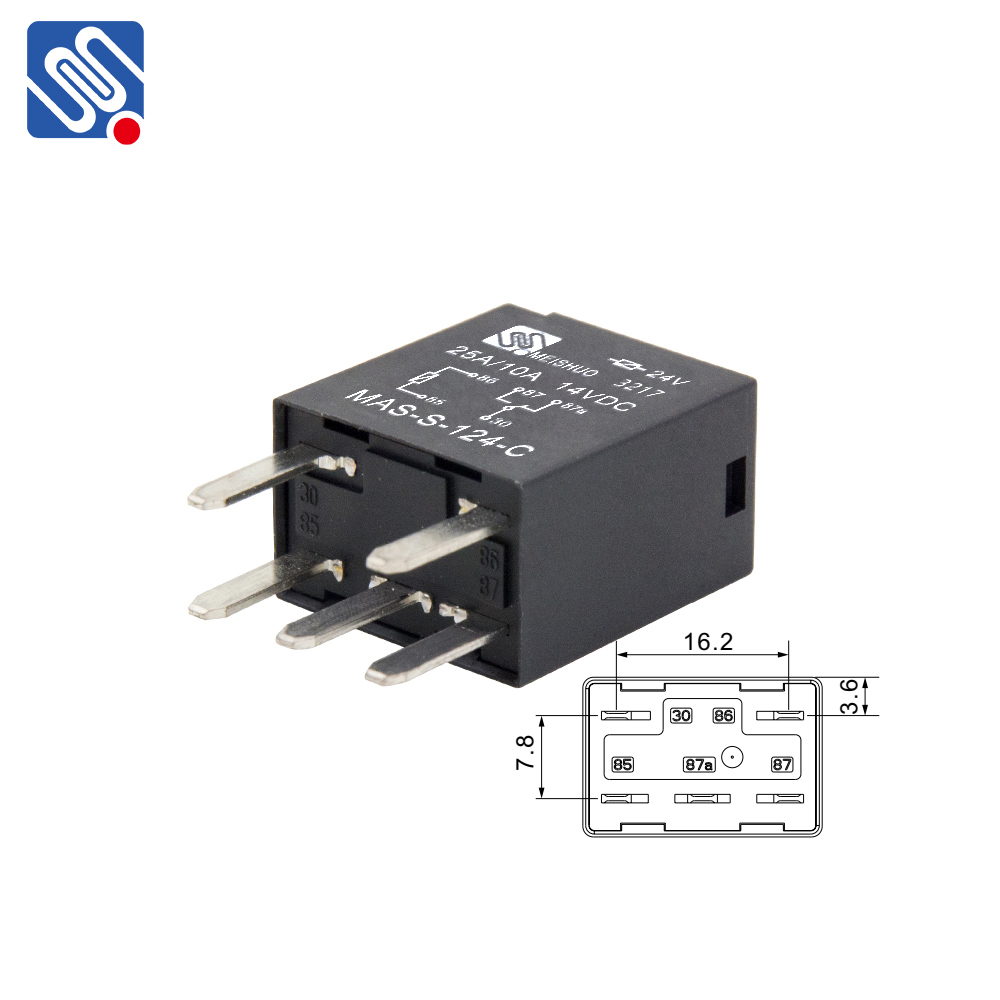
What is Relay Technology? Relay technology refers to the use of electromagnetic or semiconductor devices to control electrical circuits. A relay operates as a switch that can open or close a circuit in response to a control signal. It typically consists of a coil, contacts, and an armature. When a current flows through the coil, it creates a magnetic field that attracts or repels the armature, causing the contacts to either connect or disconnect, thereby controlling the flow of electricity in the circuit. This process of switching is fundamental to many automated systems, where precise control is necessary to ensure efficient operations. Unlike manual switches, relays can operate automatically based on preset conditions, improving both the speed and reliability of circuit control.