The relay industry has been undergoing significant transformations, propelled by advances in technology, changing consumer demands, and heightened awareness of environmental sustainability. As one of the critical components in various electrical and electronic systems, relays serve functions ranging from simple switching to complex control mechanisms. In this article, we will explore the latest relay industry trends that are shaping the market and future applications.
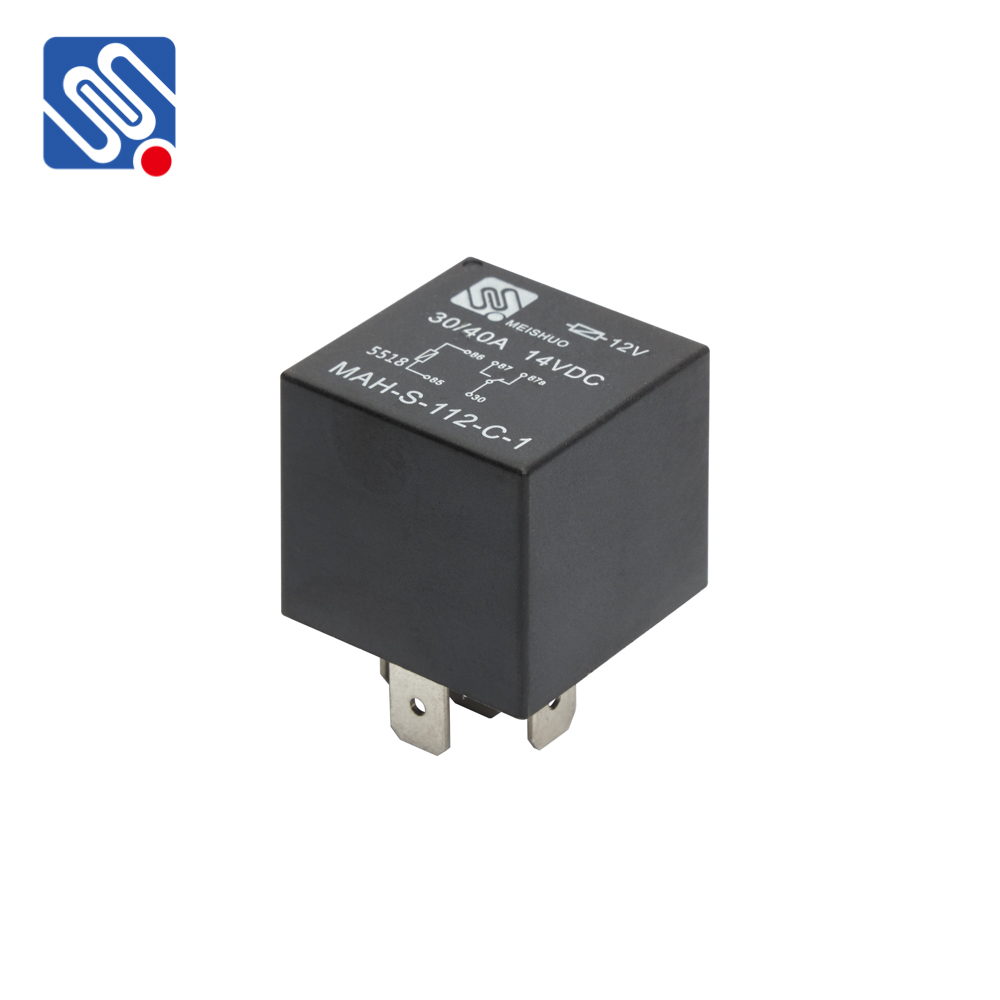
1. Smart Relays and IoT Integration With the rise of the Internet of Things (IoT) and smart home technologies, the demand for smart relays has surged. Smart relays are equipped with communication capabilities, allowing them to be integrated into larger smart systems for monitoring and controlling devices remotely. This trend is particularly evident in automation, where relays can send notifications, receive commands, and facilitate data exchange between devices, enhancing user experience and operational efficiency. 2. Compact Design and Enhanced Performance As electronic devices become more compact, there is increasing pressure on relay manufacturers to produce smaller, lighter components without sacrificing performance. Micro relays are now designed to occupy less space while handling the same or even higher loads than their traditional counterparts. This miniaturization trend is notably significant in automotive and consumer electronics, where space is at a premium. Manufacturers are utilizing advanced materials and innovative engineering techniques to achieve these design goals.