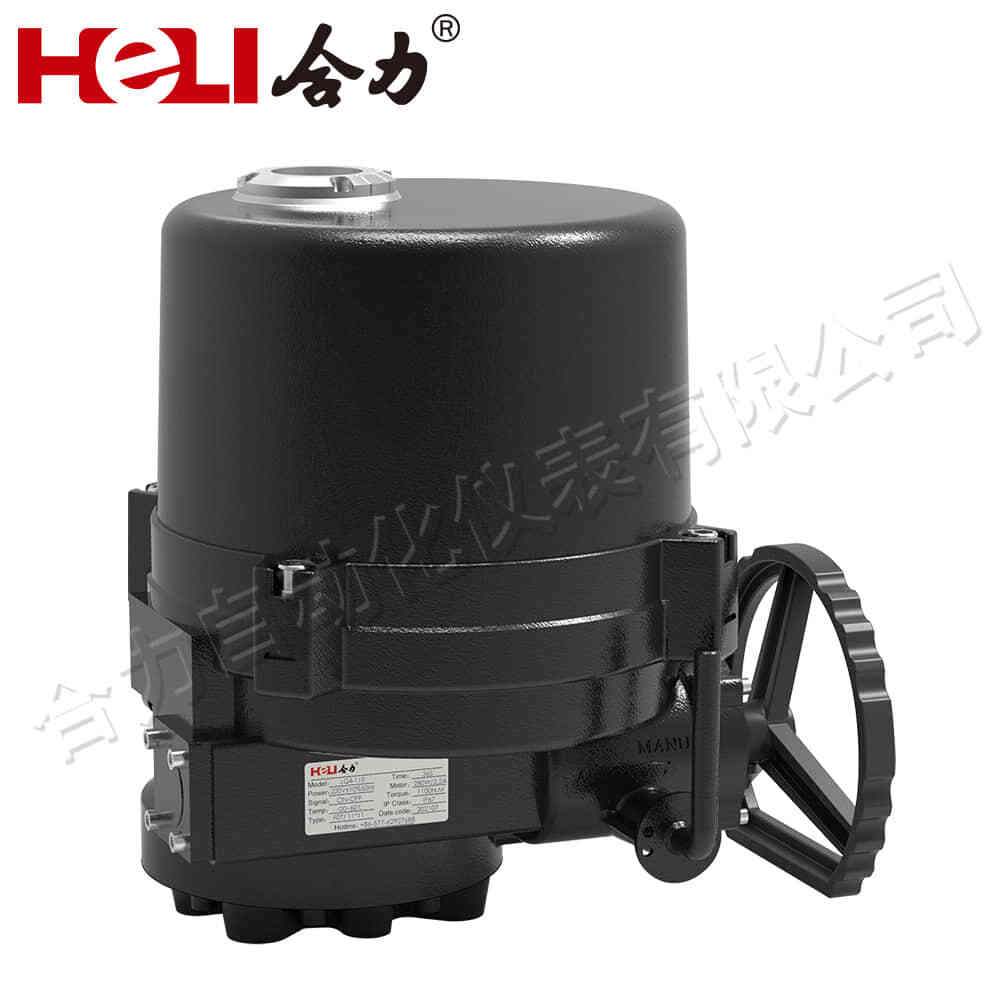
In recent years, the evolution of automation technology has given rise to the intelligent control wireless electric actuator, a groundbreaking development that combines advanced control algorithms with wireless communication to enhance efficiency and flexibility in various applications. This article delves into the core features, advantages, and potential applications of these innovative devices, highlighting their impact on modern engineering and automation systems.
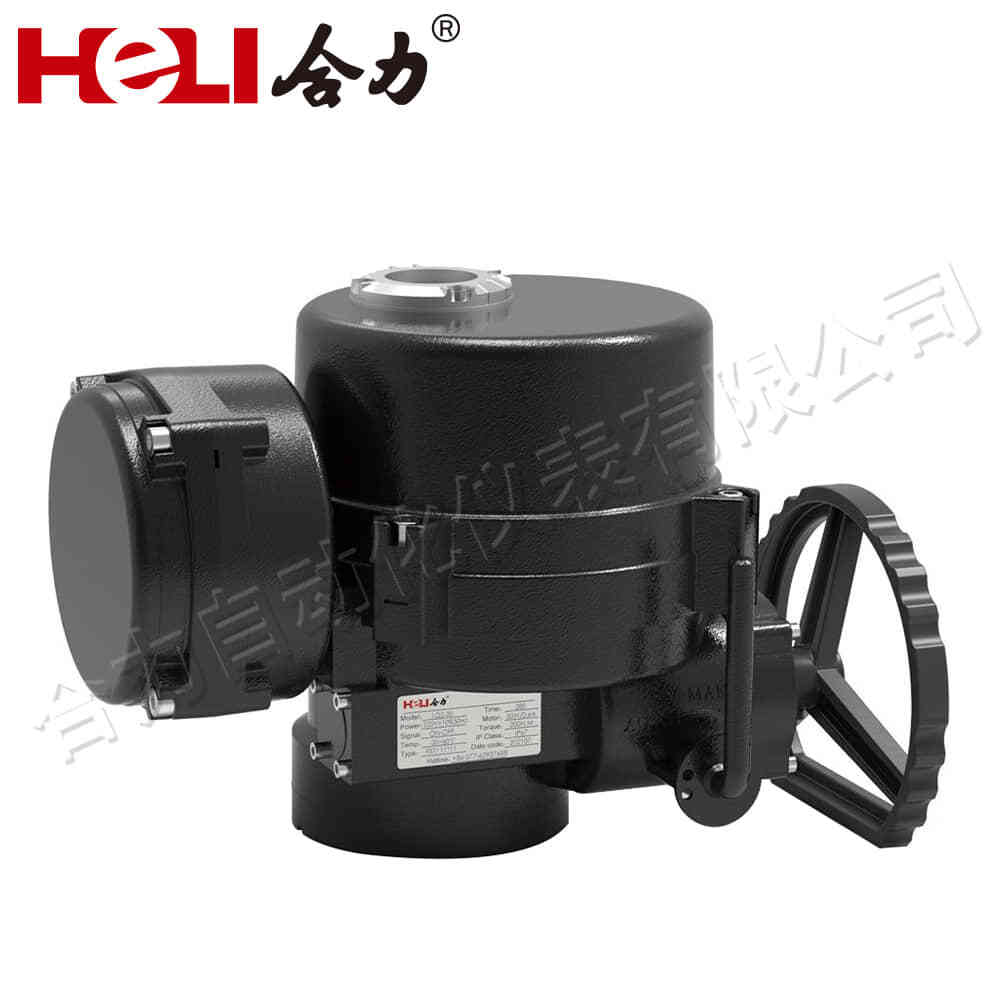
What are Intelligent Control Wireless Electric Actuators?
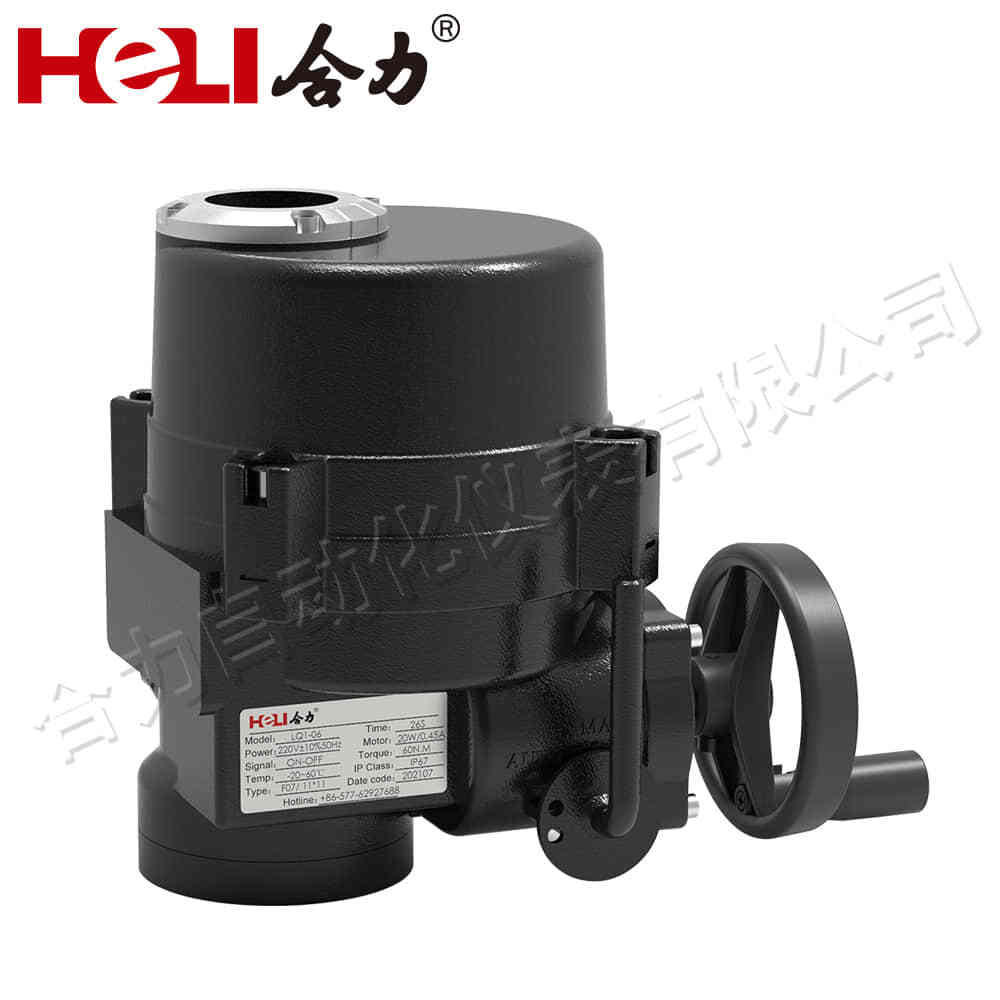
Intelligent control wireless electric actuators are sophisticated devices designed to convert electrical energy into mechanical motion with a high degree of precision and control. Unlike traditional actuators, these modern units are equipped with advanced control systems and wireless communication capabilities, enabling them to perform complex tasks with greater ease and efficiency. They are often integrated with sensors, microcontrollers, and communication modules that allow them to interact seamlessly with other components in an automated system. Core Features and Advantages Enhanced Flexibility and Mobility: One of the most significant advantages of wireless electric actuators is their ability to operate without physical wiring constraints. This wireless capability eliminates the need for extensive cabling, reducing installation complexity and allowing for greater flexibility in system design. As a result, these actuators can be easily relocated or reconfigured to adapt to changing operational requirements.