Relays are essential components in electrical and electronic systems, allowing low-power signals to control high-power devices. They are widely used in various applications, including industrial automation, automotive systems, home appliances, and communication networks. Understanding the different relay types and their respective applications is crucial for engineers and technicians to select the right relay for specific tasks. In this article, we will explore the most common relay types, their working principles, and practical applications.
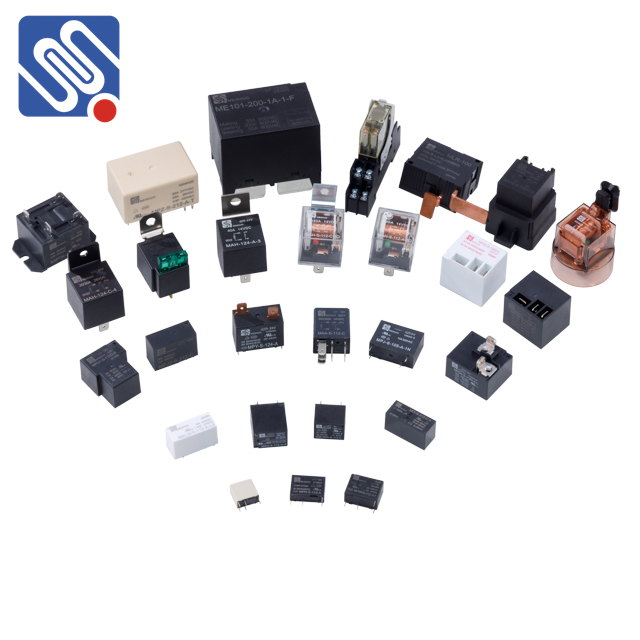
1. Electromagnetic Relay (EMR) The electromagnetic relay is the most traditional and widely used relay type. It operates based on the principle of electromagnetism, where an electric current passes through a coil to generate a magnetic field. This magnetic field attracts a movable armature, which in turn activates the relay’s contacts, allowing current to flow through a secondary circuit.
Applications: Electromagnetic relays are typically used in applications where electrical isolation is needed between control circuits and power circuits. For instance, they are commonly found in industrial control systems, automotive circuits, and home appliances. They are also employed in motor protection and switching operations.