Electrical equipment lockouts play a crucial role in ensuring the safety of workers who deal with electrical equipment during maintenance, repair, or installation processes. These devices are vital for preventing accidental energizing of machines or equipment that may lead to injuries or fatalities. In Germany, a country known for its strong industrial base and manufacturing prowess, the demand for high-quality electrical lockout solutions is essential. Many suppliers in Germany cater to this need, offering advanced lockout devices to enhance workplace safety in compliance with international safety standards.
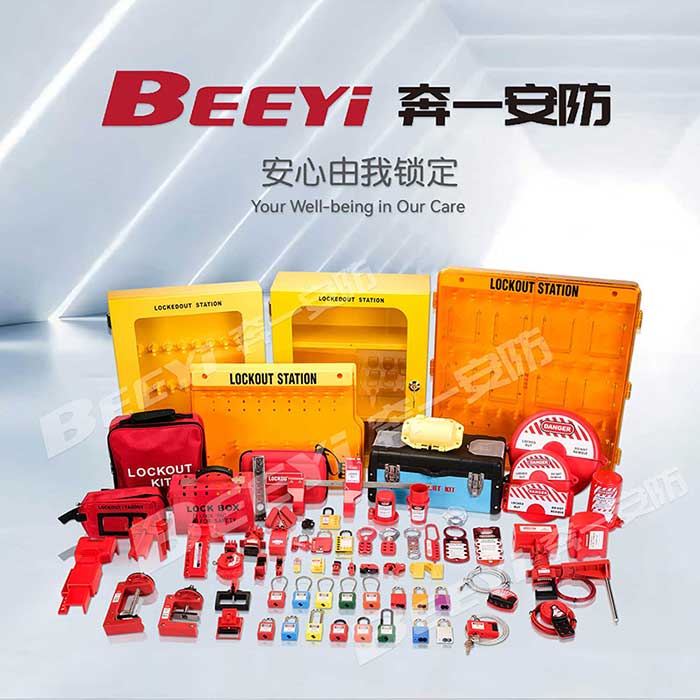
Understanding Electrical Equipment Lockouts Electrical equipment lockouts are devices used to isolate energy sources and prevent the accidental release of hazardous energy during maintenance or repair activities. These lockout systems typically include lockout tags, padlocks, circuit breaker locks, and valve lockouts that securely prevent the operation of electrical equipment. The devices are designed to meet various safety regulations, including those outlined in OSHA (Occupational Safety and Health Administration) standards and European safety standards such as ISO 14118. In industrial settings, lockout/tagout procedures (LOTO) are implemented to minimize the risks associated with energy release, including electrical, mechanical, hydraulic, or pneumatic energy. Lockout devices serve as a visible deterrent, signaling that equipment is under maintenance and should not be operated until it is safe.