In today’s fast-paced industrial landscape, ensuring the safety of workers is of paramount importance. One crucial aspect of workplace safety is the implementation of lockout/tagout (LOTO) procedures. Specifically, Electrical Equipment Lockouts made in China have gained significant recognition for their role in preventing accidents during maintenance and servicing of electrical systems. These devices are essential tools designed to protect workers from the unexpected energization or startup of machinery and equipment.
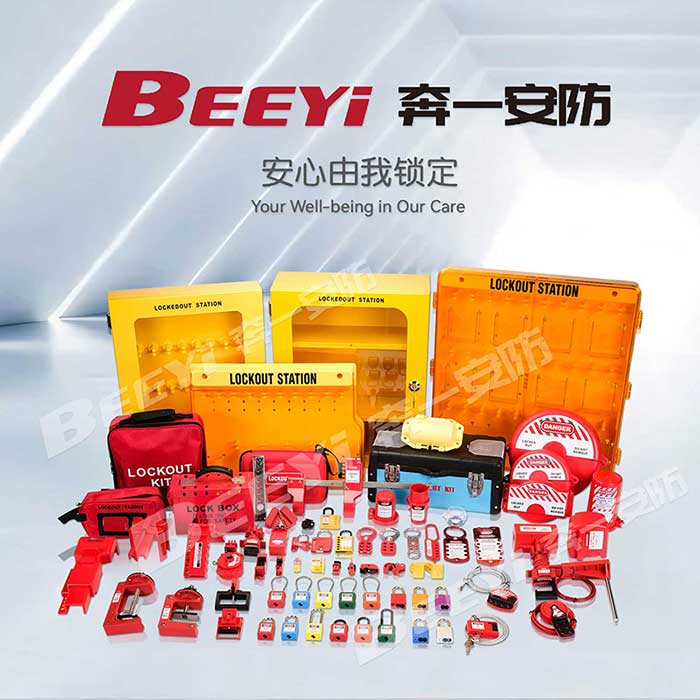
Understanding Electrical Equipment Lockouts Electrical Equipment Lockouts refer to devices that secure energy-isolating mechanisms, such as circuit breakers, switches, and control panels, to prevent unauthorized operation. They can vary in form and function but generally include padlocks, lockout hasps, and tags. The core idea behind them is straightforward: if a machine is being serviced, it should not be able to operate until the maintenance has been completed and the lockout has been removed by the authorized personnel. The Significance of Lockout/Tagout Procedures Lockout/tagout procedures are established safety protocols that aim to protect workers during maintenance activities. Non-compliance with these procedures can lead to devastating accidents, including electric shocks, injuries, or even fatalities. According to the Occupational Safety and Health Administration (OSHA), proper use of lockout/tagout procedures is a fundamental element of industrial safety programs. With strict adherence to these protocols, workplaces can significantly reduce the risk of workplace injuries.