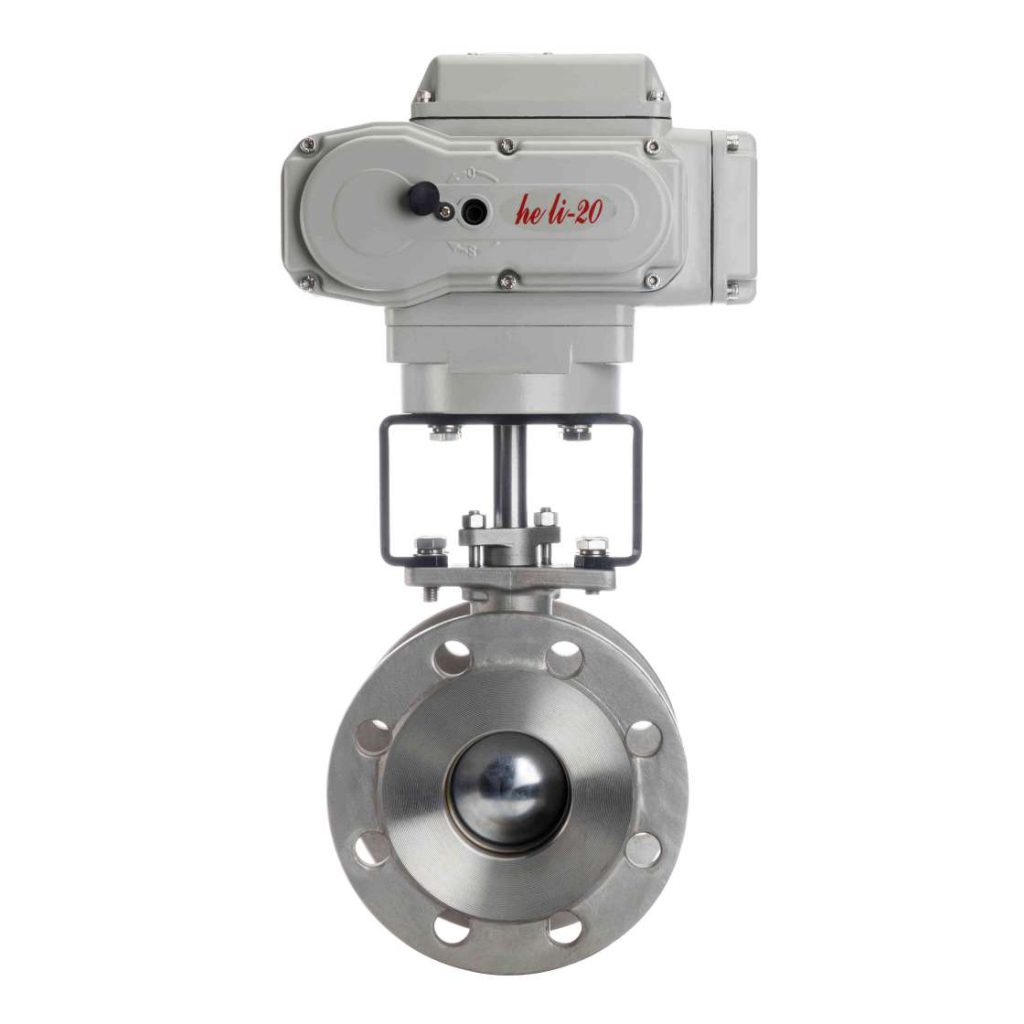
In the world of industrial fluid control, precision and efficiency are paramount. The Electric V-ball valve has emerged as a powerful solution that combines both electrical control and the reliable functionality of a ball valve. This valve has found its applications across various industries, including oil and gas, water treatment, and chemical processing, thanks to its unique design and enhanced performance. In this article, we will delve into the features, benefits, and applications of the Electric V-ball valve, highlighting why it has become an essential component in modern industrial systems.
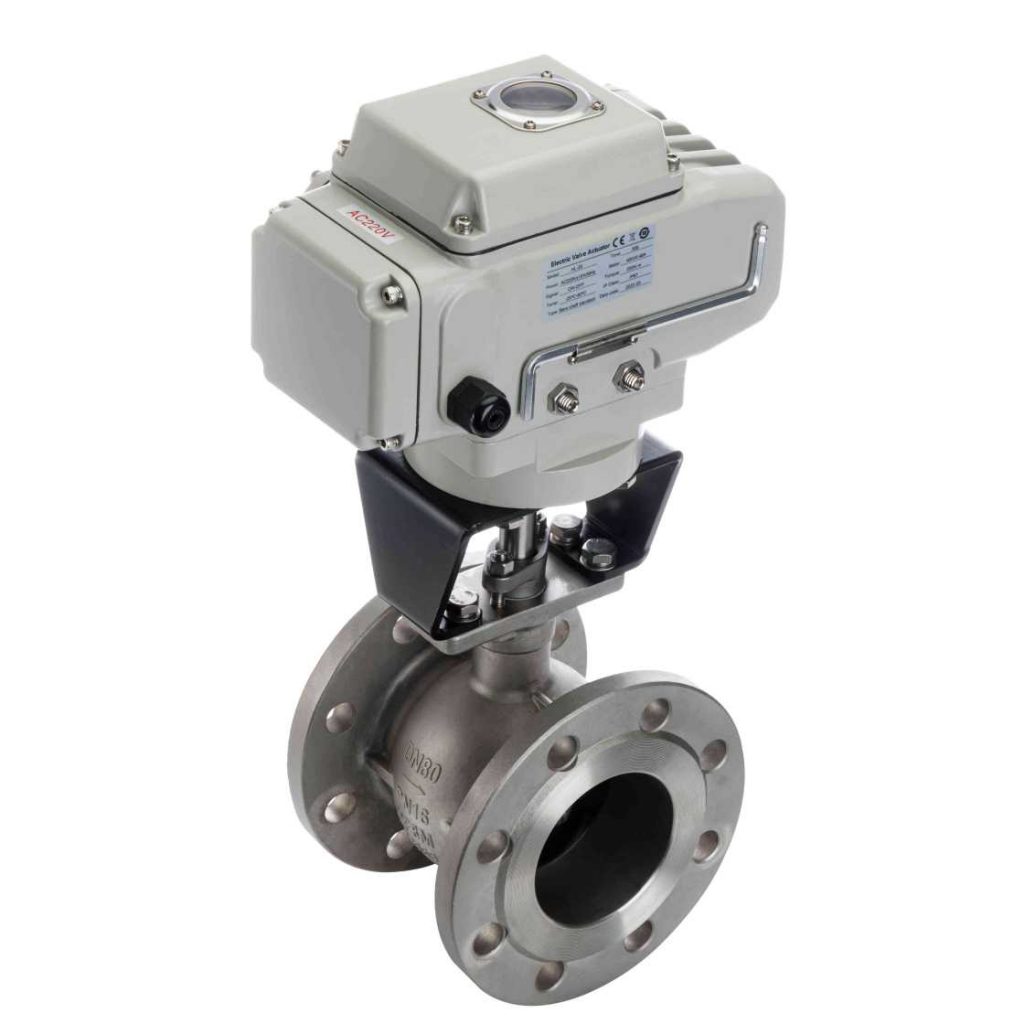
Understanding the Electric V-Ball Valve
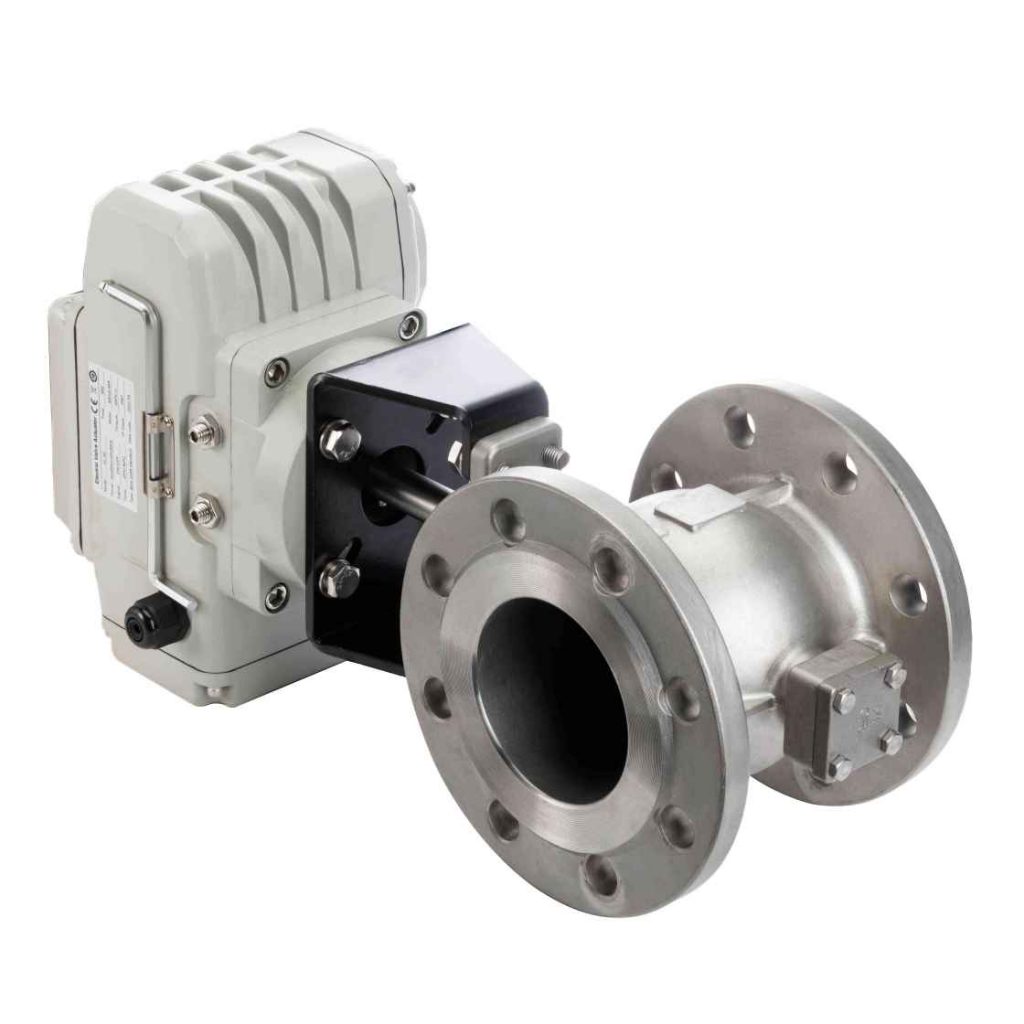
An Electric V-ball valve is a type of control valve that uses an electric actuator to precisely modulate the flow of fluids or gases through a piping system. The valve features a V-shaped ball, which gives it its distinctive name. This V-shaped cut on the ball allows for better flow control compared to traditional ball valves. The valve’s actuator, which is powered by electricity, adjusts the position of the V-ball to regulate the flow rate and pressure within the system. The design of the Electric V-ball valve is such that it provides accurate control over the flow rate while being able to handle a wide range of fluids, including those with high viscosity, corrosive properties, or particulate matter. The actuator that drives the valve can be easily integrated with a variety of control systems, enabling operators to remotely control the valve’s position for better automation and process optimization.