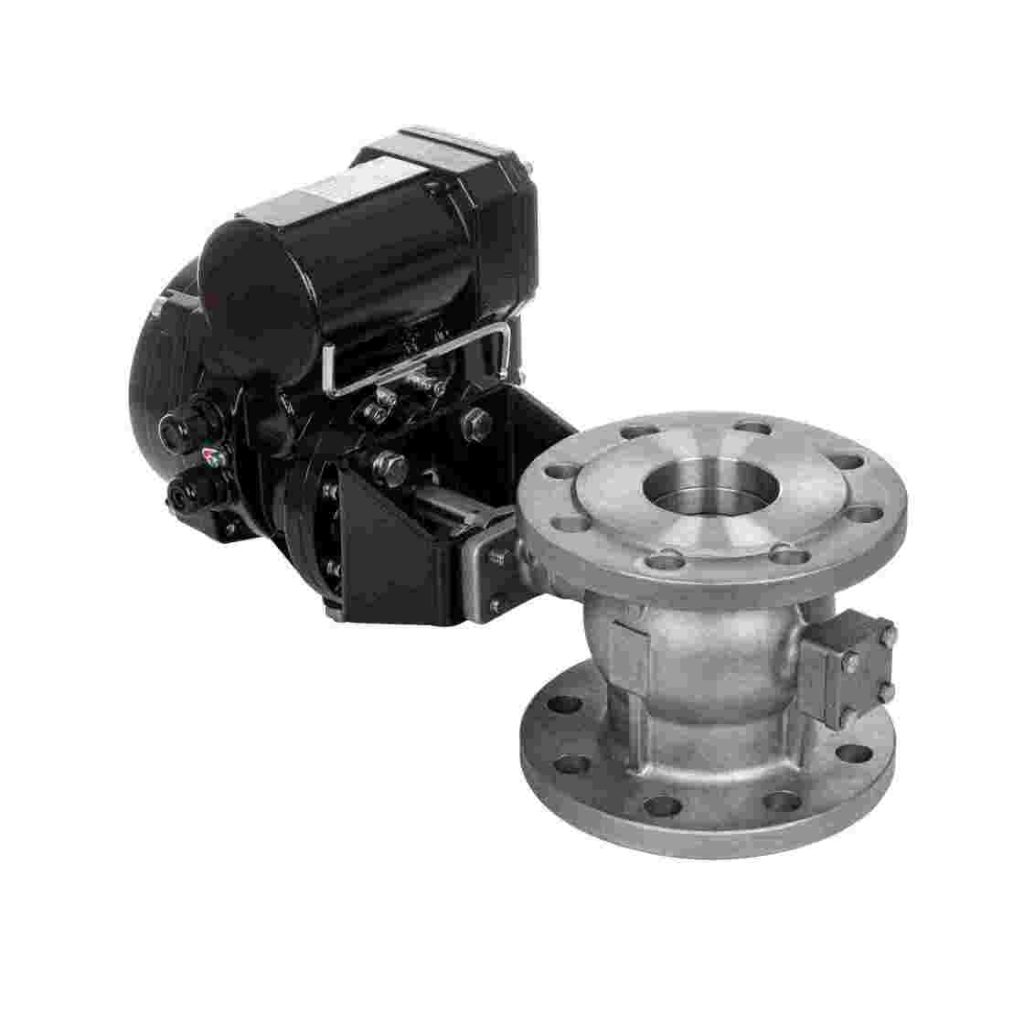
In recent years, electric stainless steel ball valves have become essential components in fluid control systems across various industries. Known for their durability, precision, and versatility, these valves are used in applications ranging from water treatment plants and chemical processing to HVAC systems and food production. The combination of electric operation and corrosion-resistant stainless steel construction makes these valves a preferred choice for many industrial applications. This article delves into the features, benefits, and applications of electric stainless steel ball valves, as well as their importance in modern fluid control technology.
What is an Electric Stainless Steel Ball Valve?
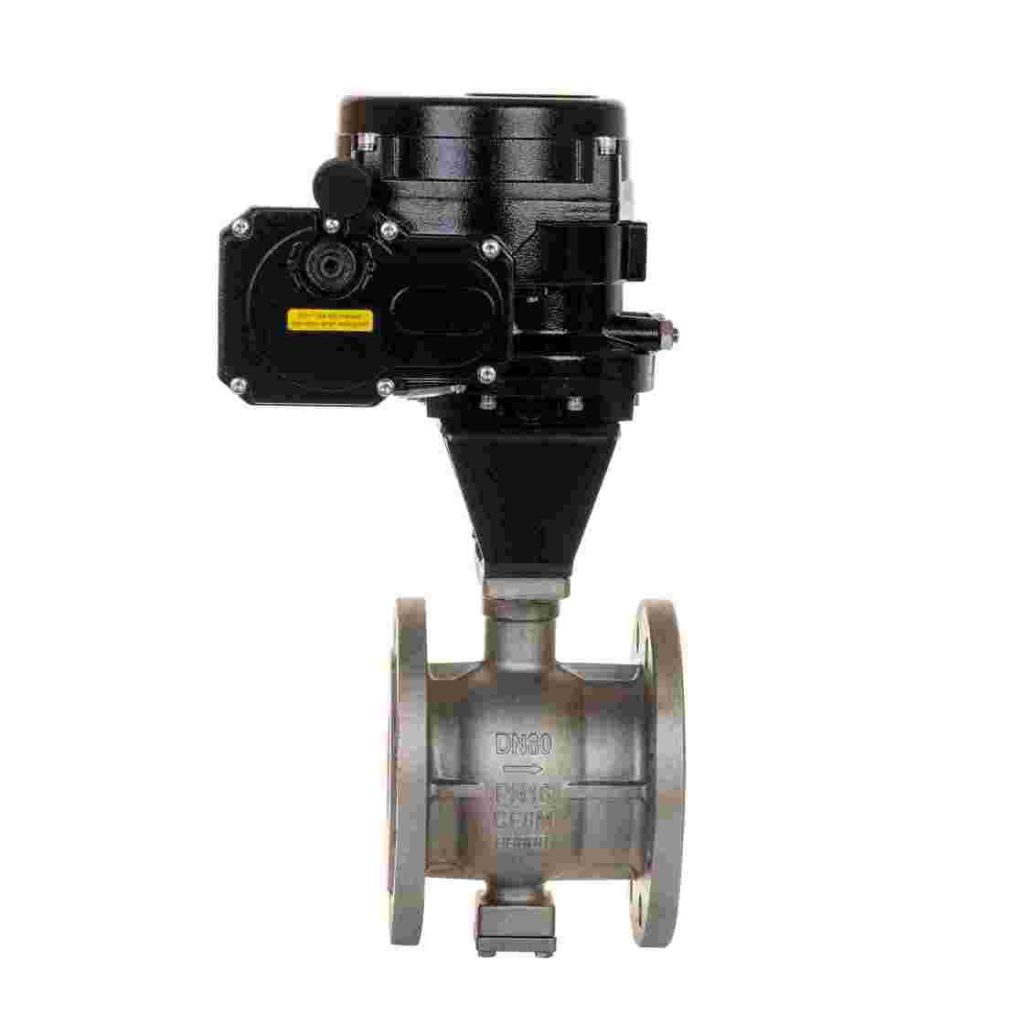
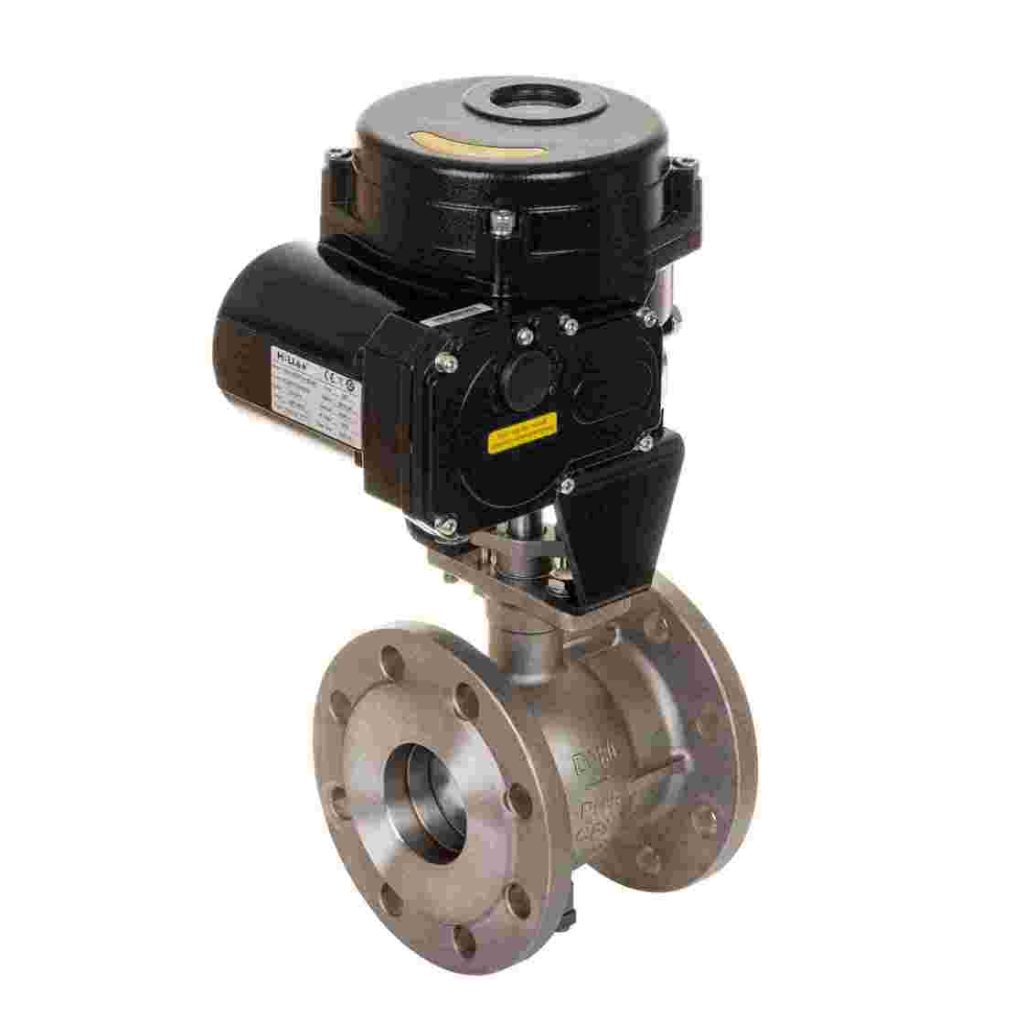
An electric stainless steel ball valve is a type of valve that uses an electric actuator to control the flow of liquids or gases through a pipe or conduit. Unlike traditional manual ball valves, which require physical intervention to open or close, electric ball valves are powered by an electric motor that can be easily controlled remotely or automatically. The actuator adjusts the position of the valve’s spherical ball, which has a hole through its center, allowing fluid to either pass through or be blocked depending on the ball’s orientation. The stainless steel construction offers high resistance to corrosion, making it ideal for use in demanding environments where moisture, chemicals, and other corrosive elements are present. The material’s robust properties ensure that the valve maintains its integrity and performance over long periods, even under harsh conditions.