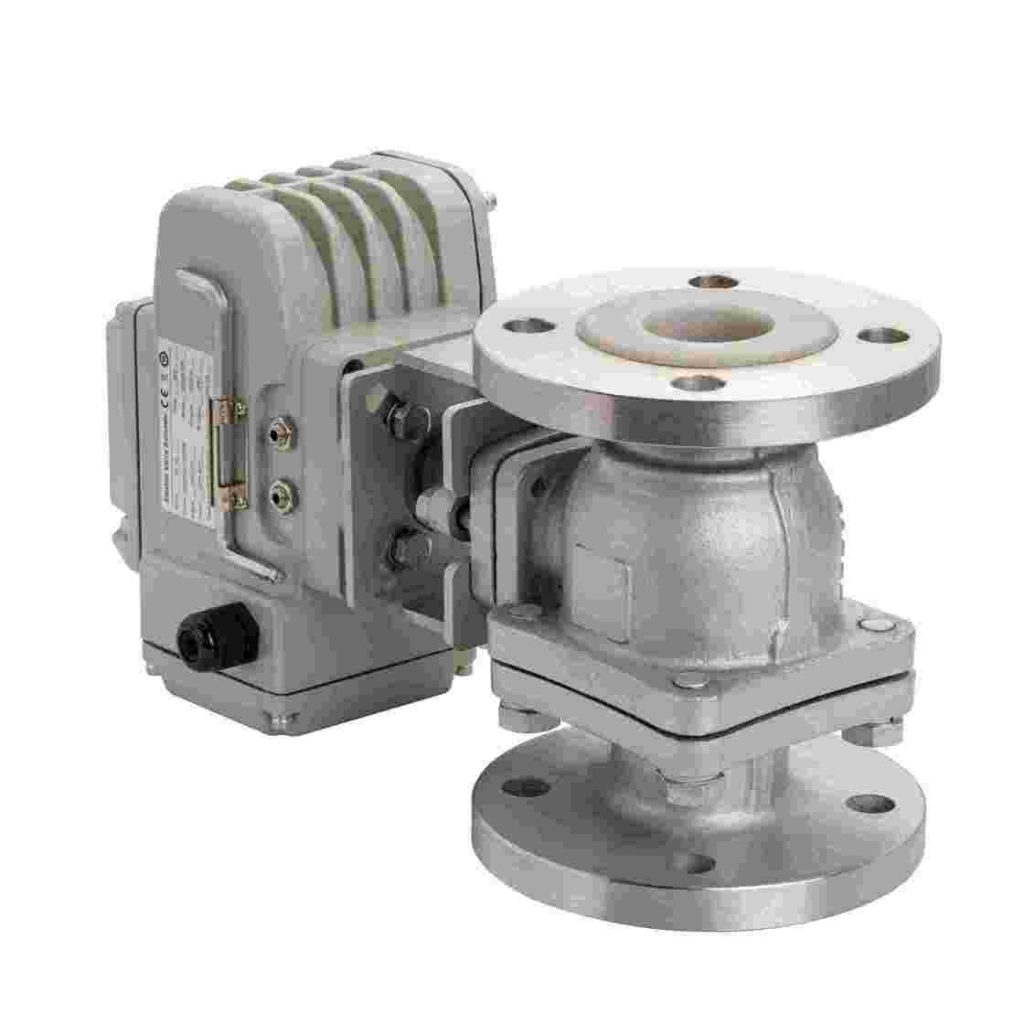
Electric flange ball valves are a crucial component in modern industrial fluid control systems, offering reliability, precision, and ease of automation. These valves are designed to control the flow of liquids and gases in piping systems by using an electric actuator that operates the valve mechanism. With their wide range of applications, particularly in industries like oil and gas, chemical manufacturing, water treatment, and HVAC, electric flange ball valves have become a preferred choice for professionals seeking high efficiency, minimal maintenance, and operational safety.
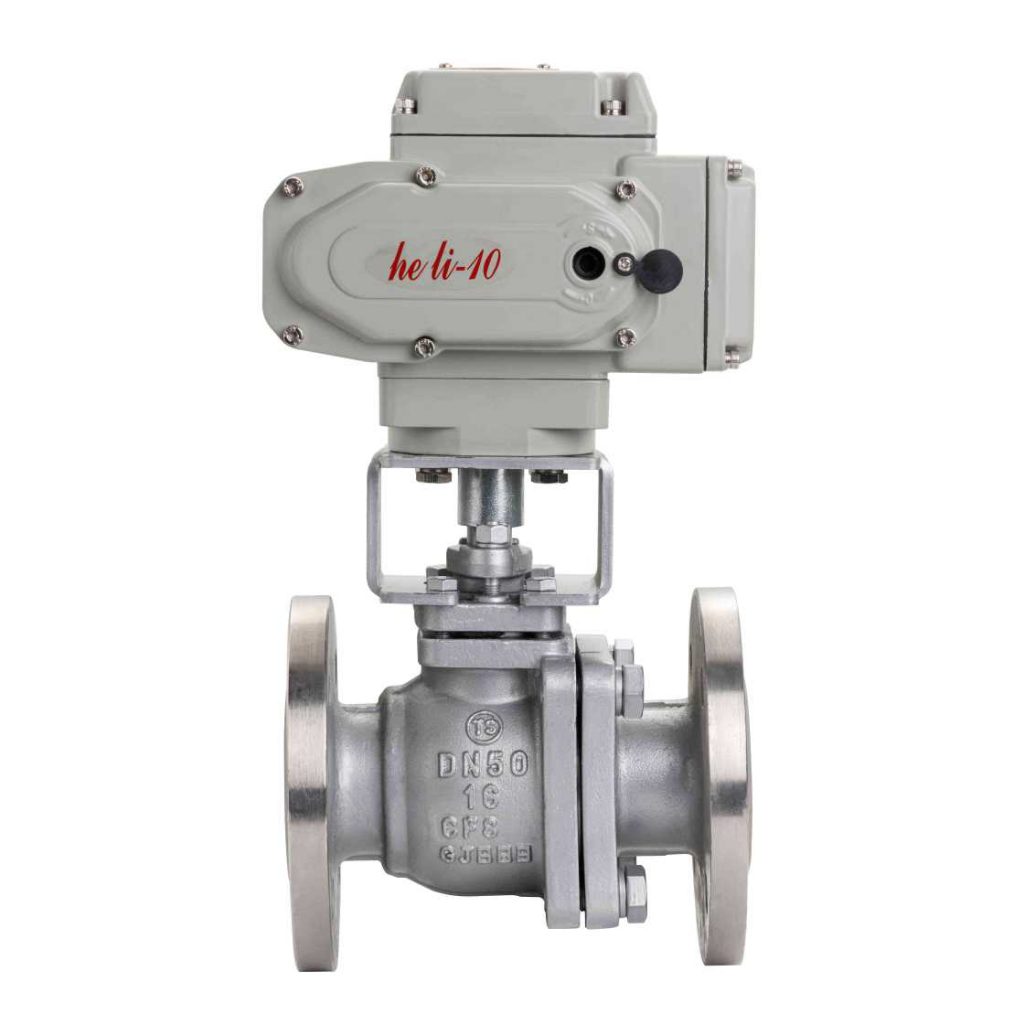
What is an Electric Flange Ball Valve?
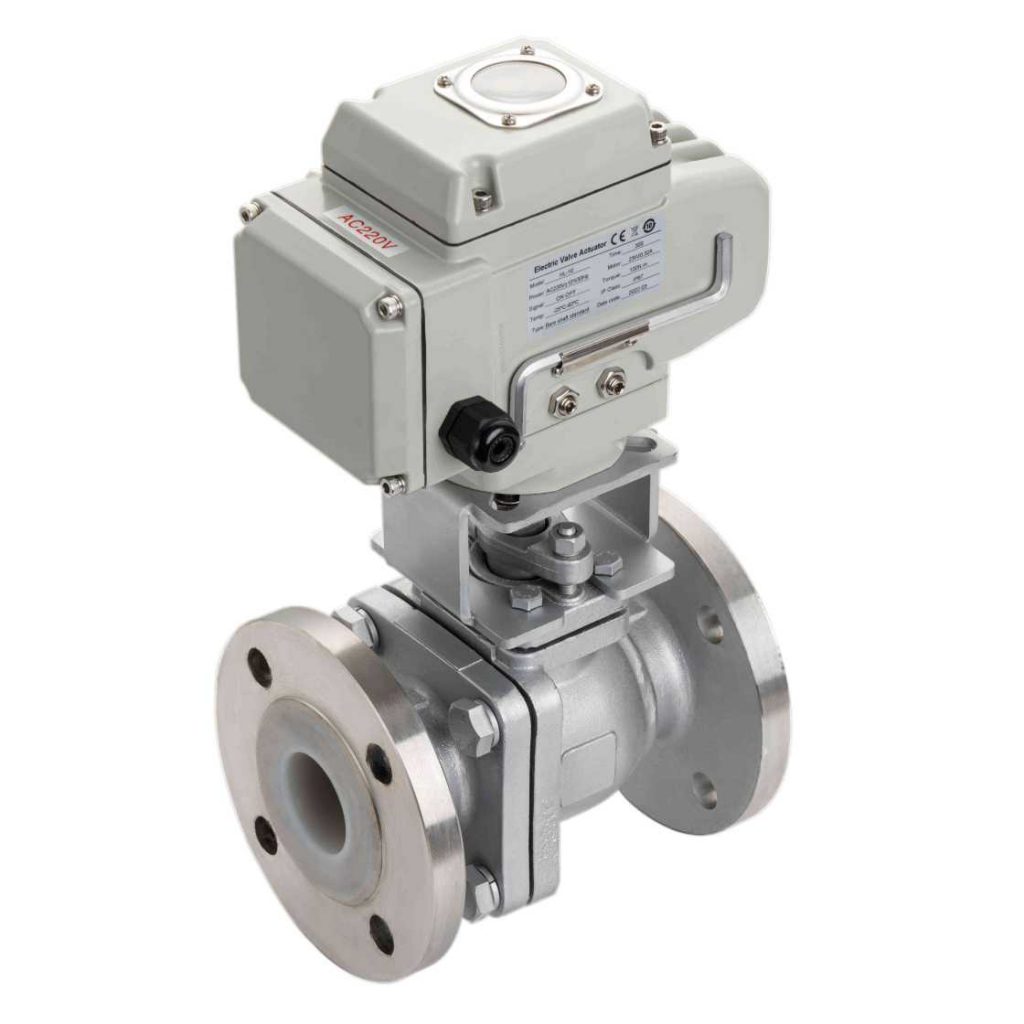
An electric flange ball valve is a type of ball valve with a flange connection and an electric actuator. The ball valve is a simple yet effective mechanism that uses a spherical ball with a hole (bore) through its center to control the flow of fluids. The electric actuator, usually powered by an electric motor, rotates the ball valve to open or close the flow path. The “flange” refers to the valve’s connection method to the pipeline. It consists of flat, circular ends with holes for bolts, allowing the valve to be securely attached to the piping system. This design ensures a leak-proof and reliable seal, which is crucial in applications involving high-pressure or hazardous fluids.