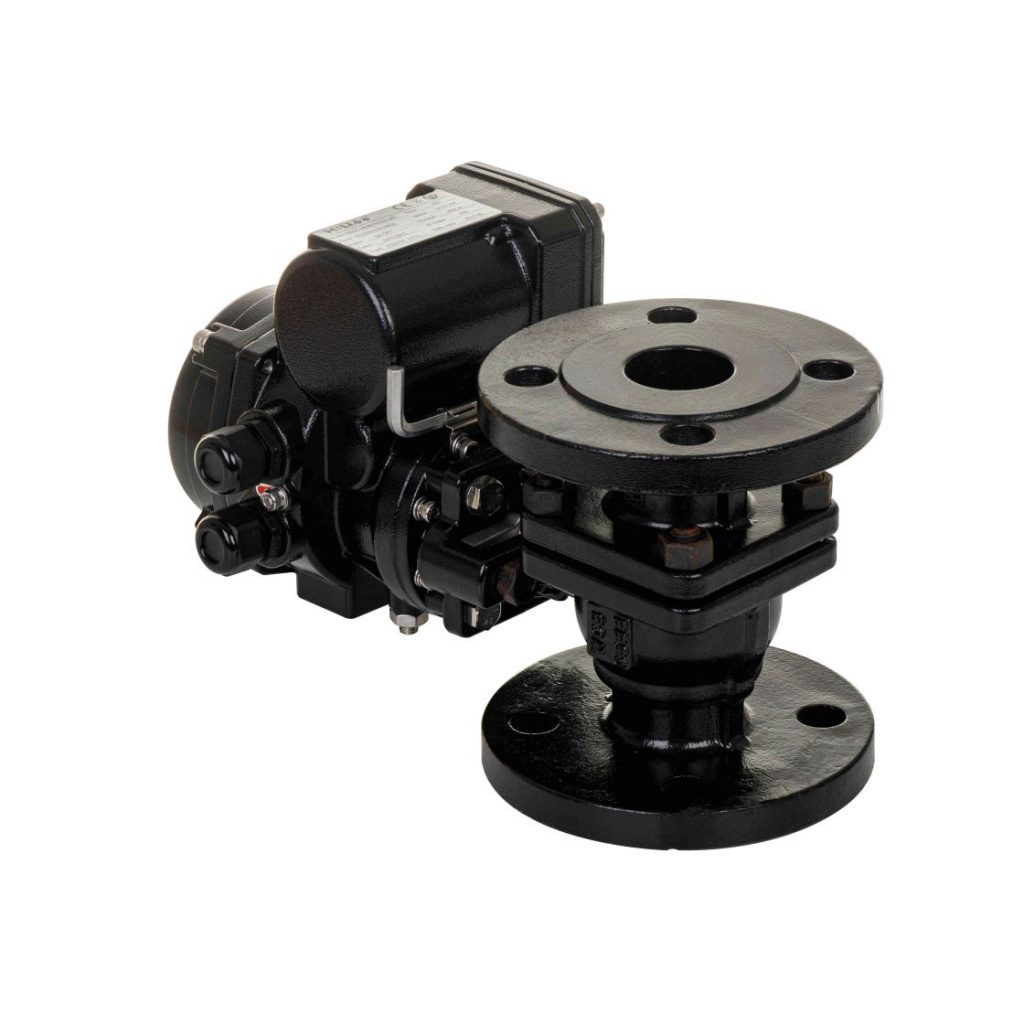
In today’s industrial landscape, the efficiency and reliability of fluid control systems are paramount. As industries like oil and gas, water treatment, pharmaceuticals, and chemical processing continue to evolve, so does the demand for high-performance valves. Among these, the Electric Flange Ball Valve has emerged as a popular and efficient choice for controlling the flow of liquids and gases. This article delves into the significance of electric flange ball valves and highlights the role of Electric Flange Ball Valve Manufacturers in meeting the ever-growing demand for superior valve technology.
What Is an Electric Flange Ball Valve?
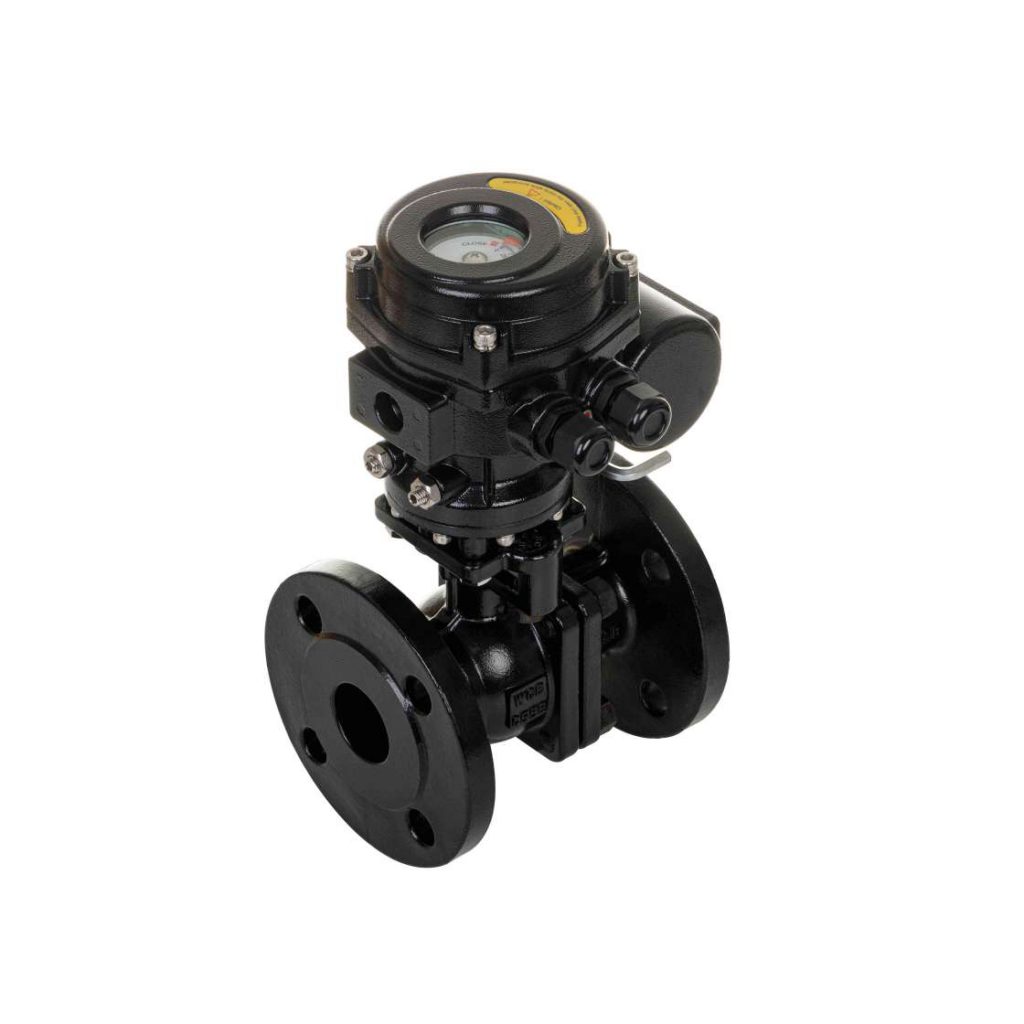
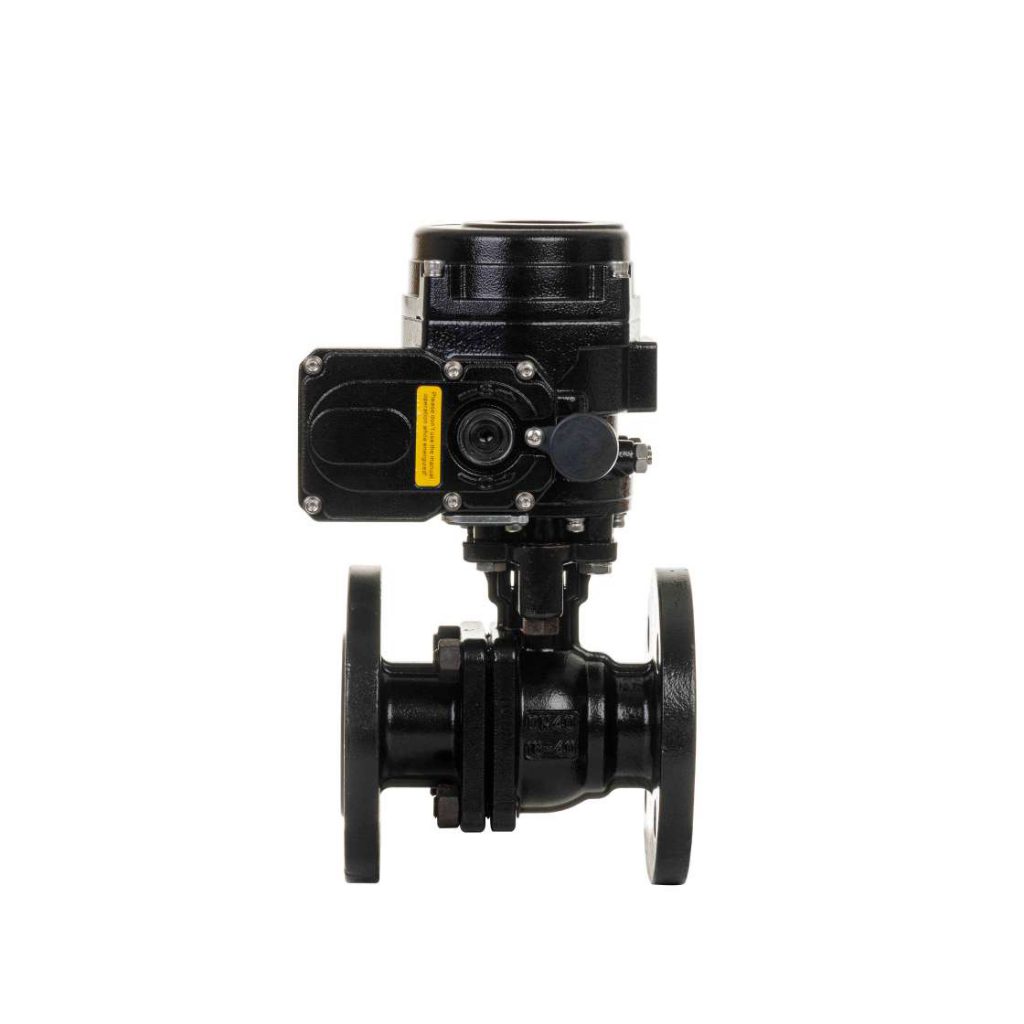
An electric flange ball valve is a type of valve that uses an electric actuator to control the opening and closing of a spherical ball inside the valve body. This spherical ball has a hole through the center, allowing fluid to flow when aligned with the pipeline and blocking flow when turned 90 degrees. The flange design refers to the method of attachment, where the valve is bolted to the pipeline with flanges, ensuring a secure and leak-proof connection. The electric actuator is powered by electricity and controls the position of the valve with precision. This makes electric flange ball valves highly reliable, particularly in automated systems where remote operation is required. They offer the benefits of precise flow control, reduced manual labor, and enhanced safety by enabling automatic shutoff in case of an emergency or malfunction.