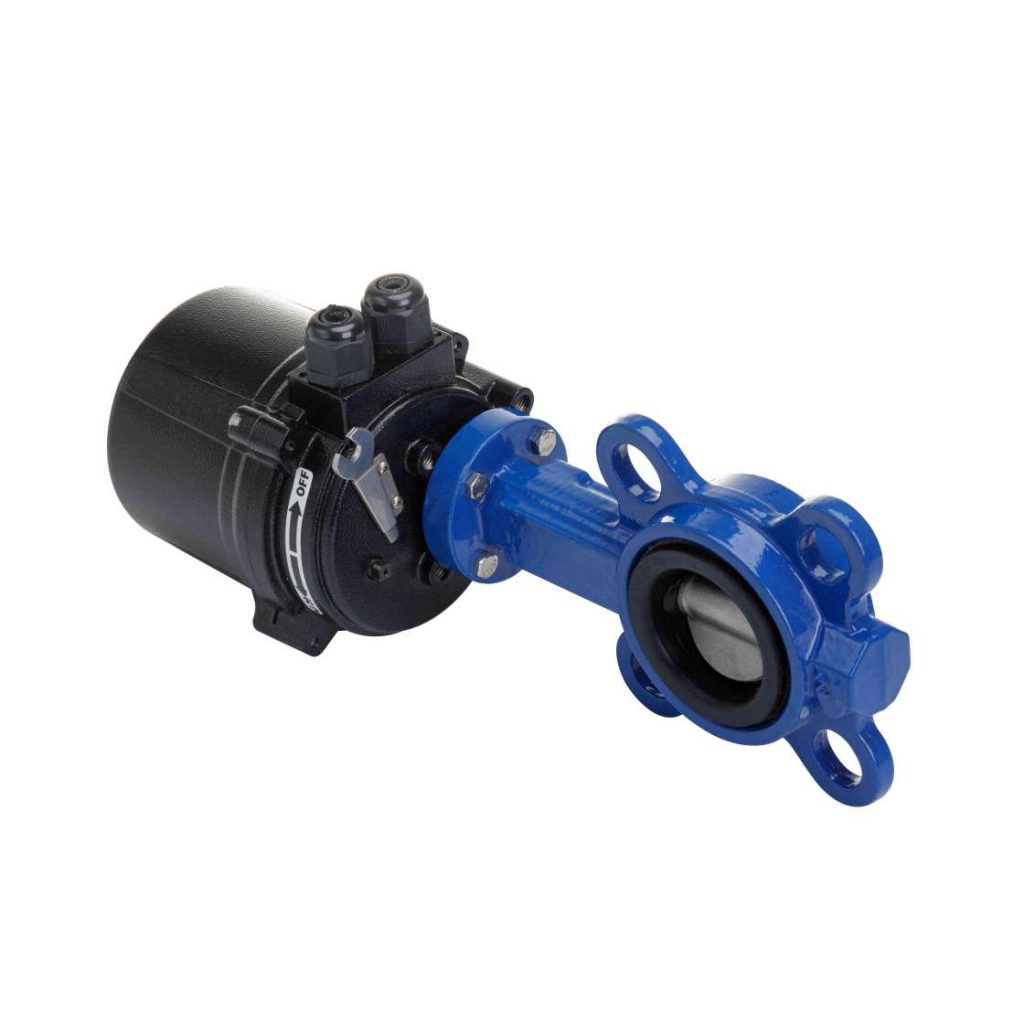
In the ever-evolving field of agricultural irrigation, efficiency and reliability are paramount. One innovative solution gaining traction among farmers and agricultural professionals is the electric butterfly valve. This essential component plays a crucial role in regulating water flow, ensuring optimal irrigation practices, and enhancing crop yield. For manufacturers in this domain, particularly those engaged in Original Design Manufacturing (ODM), the electric butterfly valve presents both opportunities and challenges.
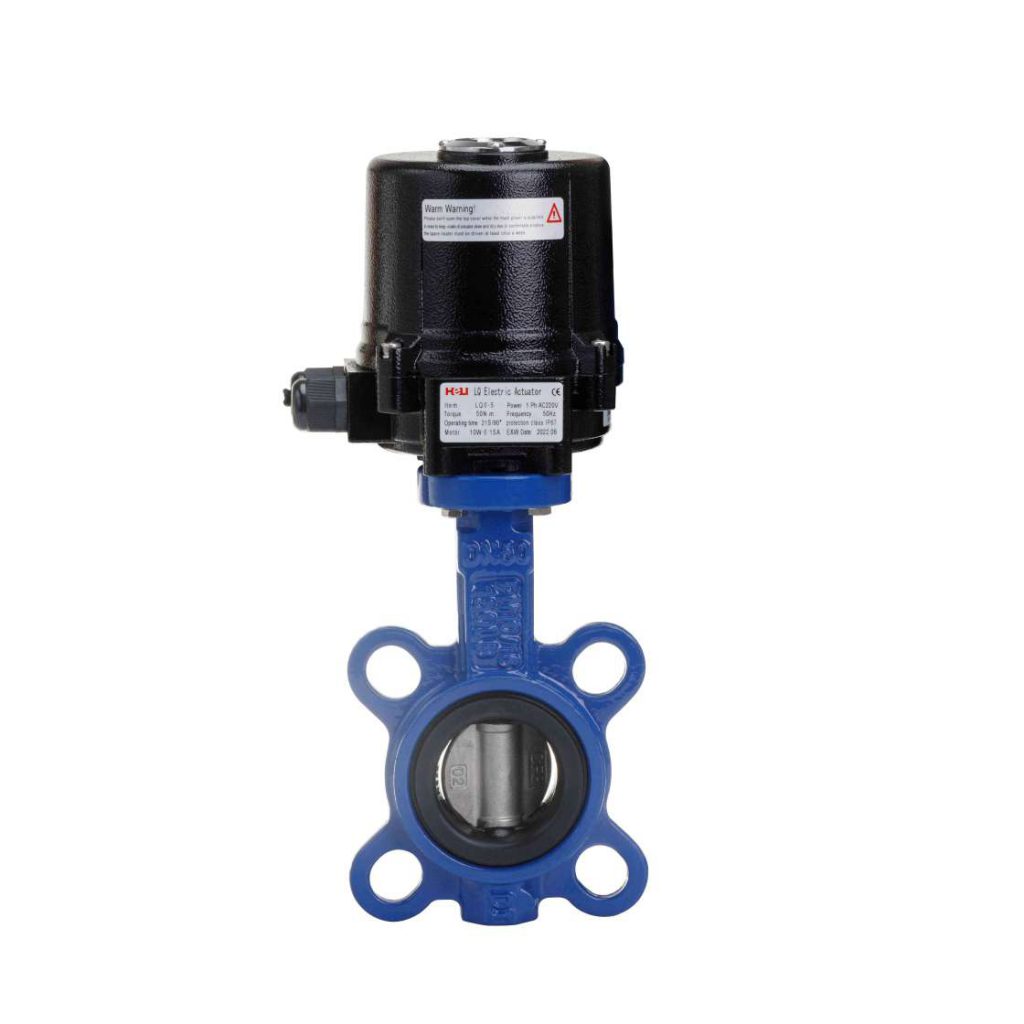
Understanding Electric Butterfly Valves
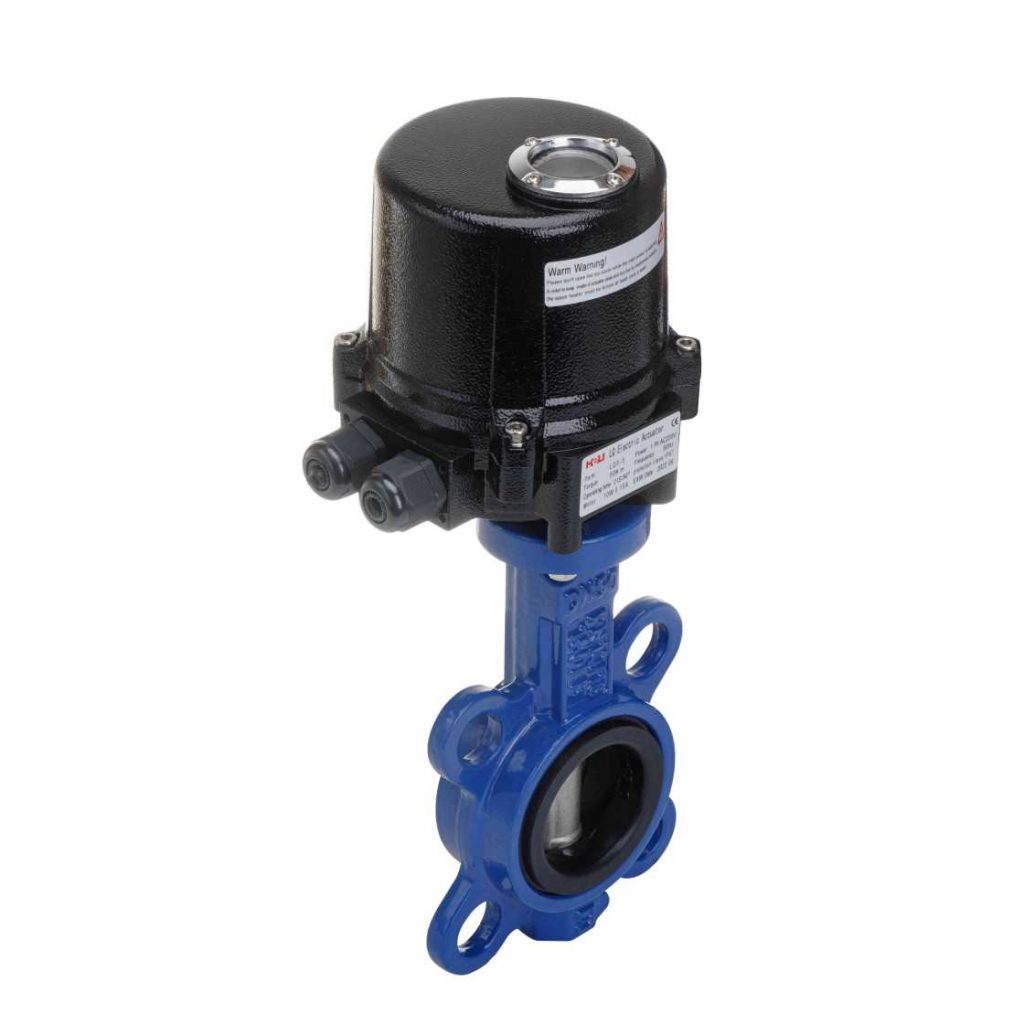
Electric butterfly valves operate using an electric actuator that controls the valve’s position, allowing for precise control of fluid flow. The design features a disc that rotates on a vertical axis, making it highly efficient for controlling the passage of water or other liquids. This technology is particularly beneficial for agricultural applications, where water management is critical. One of the primary advantages of electric butterfly valves is their quick response time. This feature allows farmers to adjust water flow according to changing conditions, such as weather fluctuations or varying crop needs. Moreover, these valves can be integrated into automated irrigation systems, enabling remote operation and real-time monitoring through IoT (Internet of Things) technology. This integration not only saves time but also optimizes resource use, which is vital in modern agriculture.