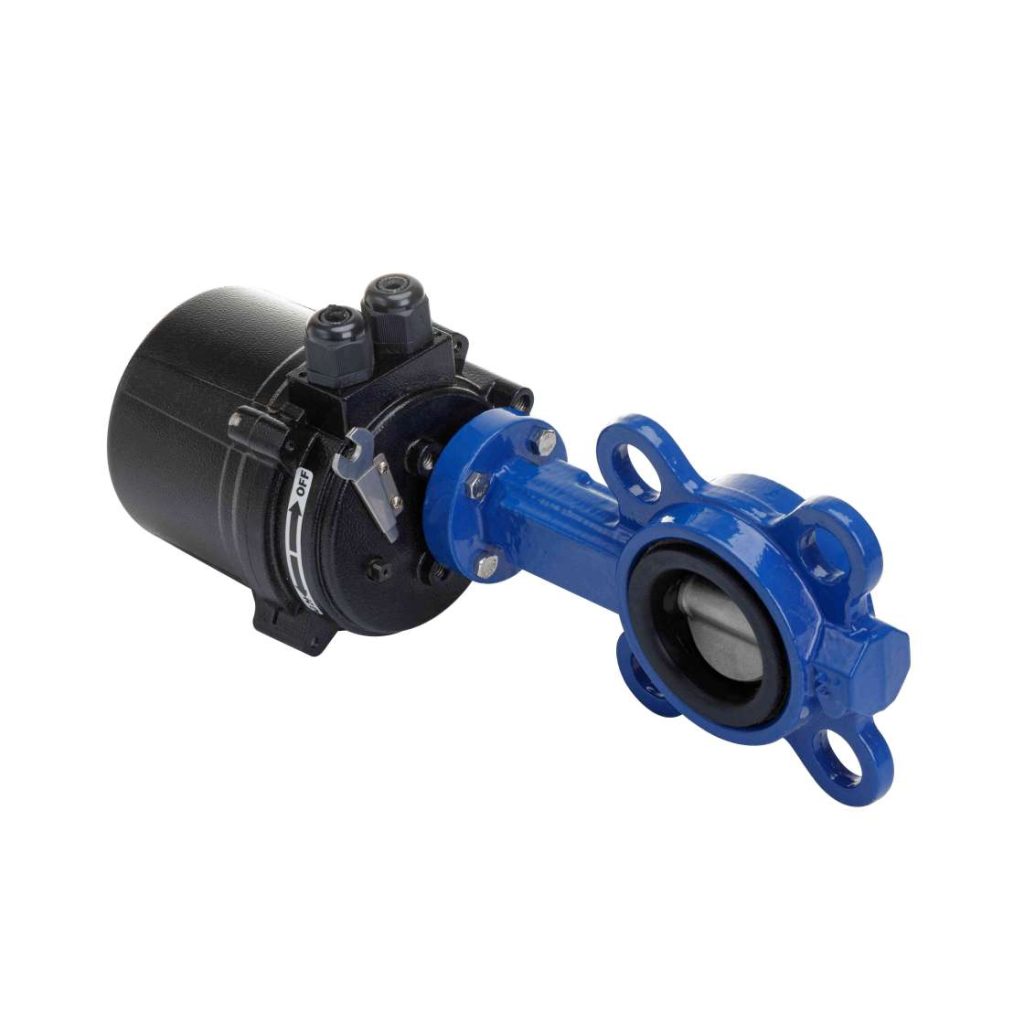
In the realm of modern agriculture, efficient water management is paramount. As global population growth continues to strain freshwater resources, farmers are increasingly turning to advanced technologies to optimize irrigation processes. One such innovation is the electric butterfly valve, which has become an essential component in agricultural irrigation systems. This article delves into the significance, functionality, and advantages of electric butterfly valves in the context of agricultural irrigation.
Understanding Electric Butterfly Valves
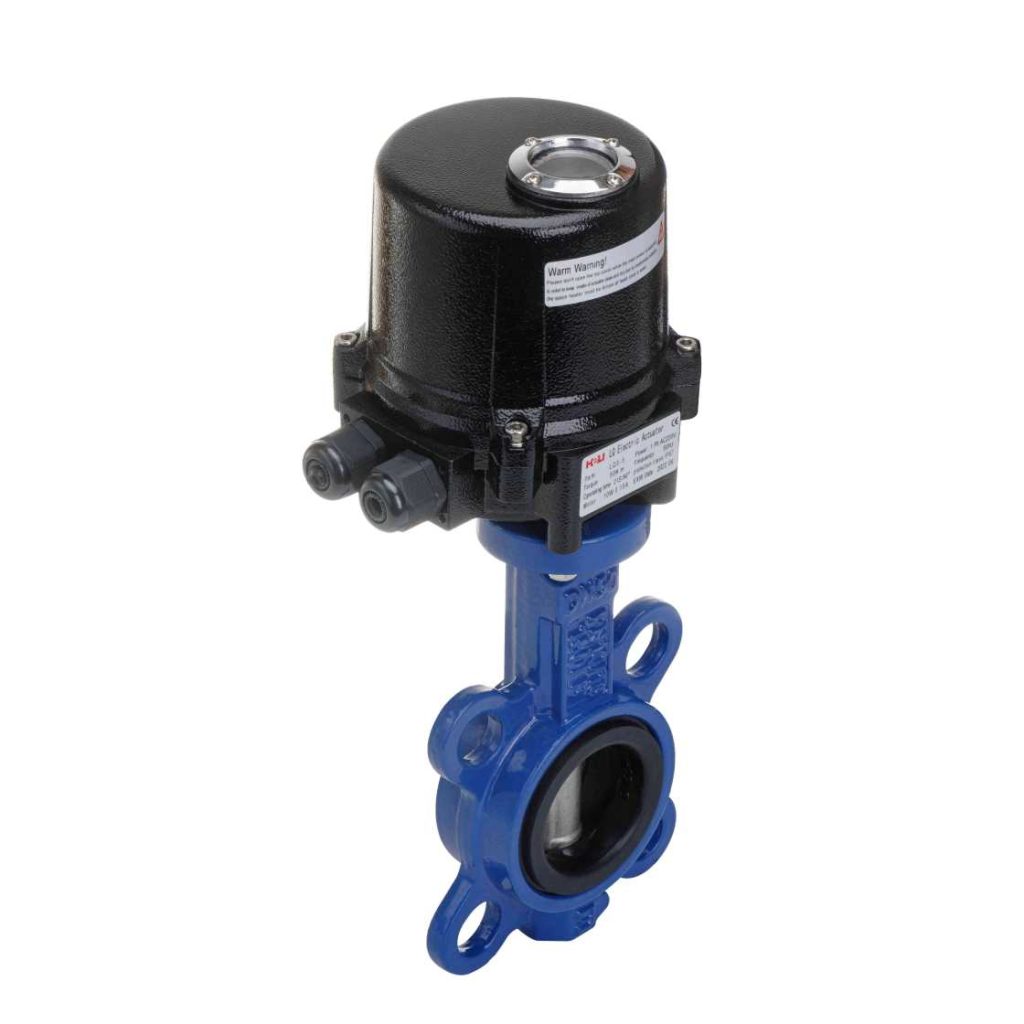
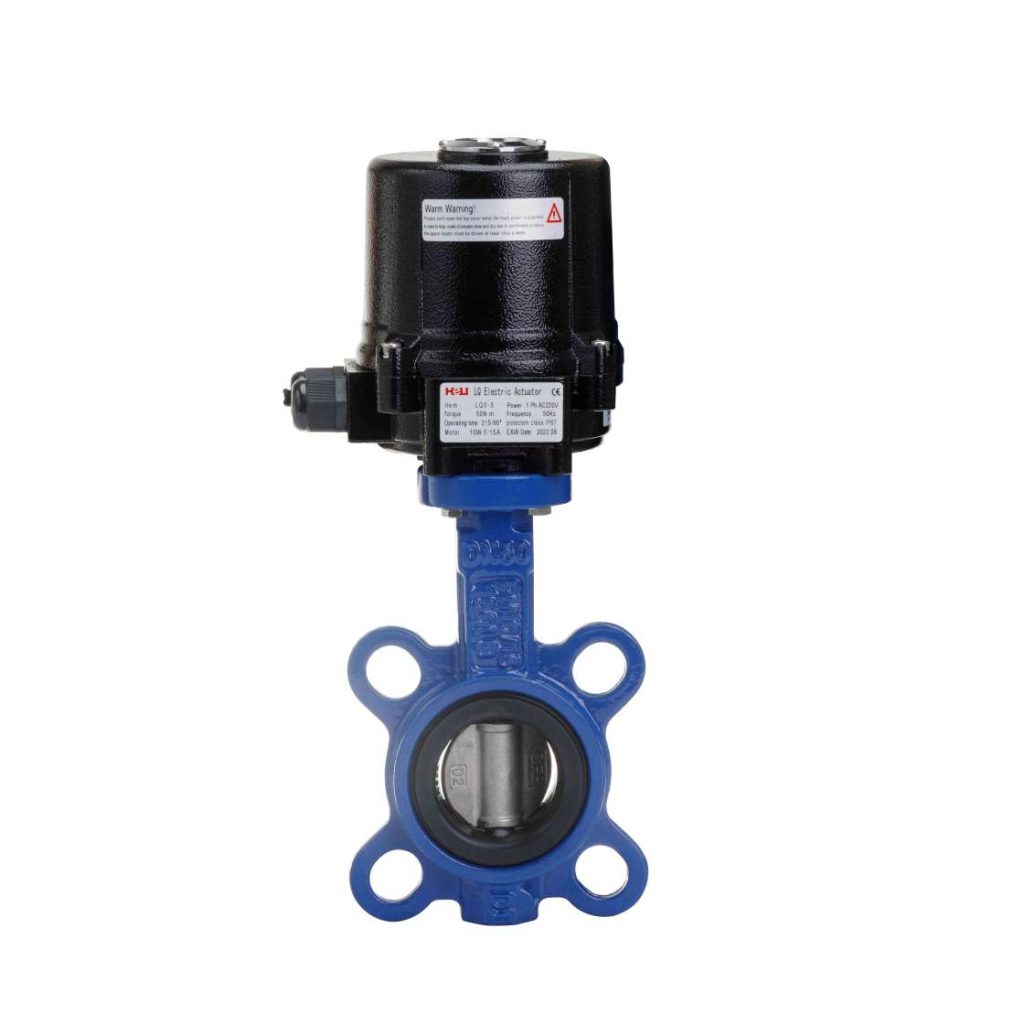
Electric butterfly valves are automated valves that utilize an electric actuator to control the flow of water. They consist of a circular disc or plate that rotates within the valve body to either open or close the flow passage. The actuator receives signals from control systems, allowing for precise modulation of water flow. This capability makes electric butterfly valves particularly useful in agricultural settings where the efficient distribution of water is critical for crop health and yield. Importance of Efficient Water Management Water is a vital resource in agriculture, and its efficient management is essential for sustainable farming practices. Traditional irrigation methods often lead to water wastage, uneven distribution, and increased labor costs. By incorporating electric butterfly valves into irrigation systems, farmers can significantly enhance water management. These valves provide the ability to automate irrigation schedules, ensuring that crops receive the appropriate amount of water at the right times.