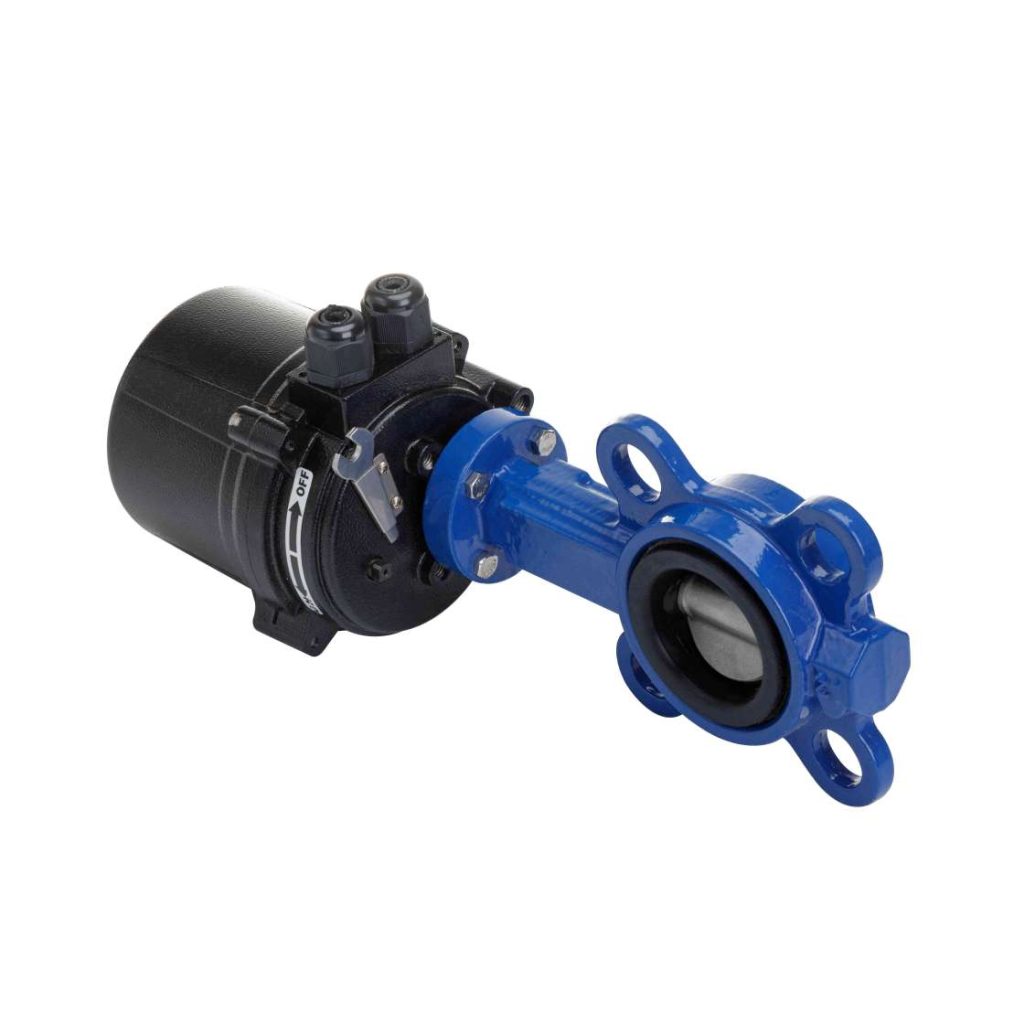
In modern agriculture, the efficient management of water resources is essential for sustainable farming practices. With the increasing demand for food production and the challenge of climate change, farmers are turning to innovative technologies to improve irrigation systems. One such innovation is the electric butterfly valve, an essential component in agricultural irrigation systems that provides enhanced control and efficiency.
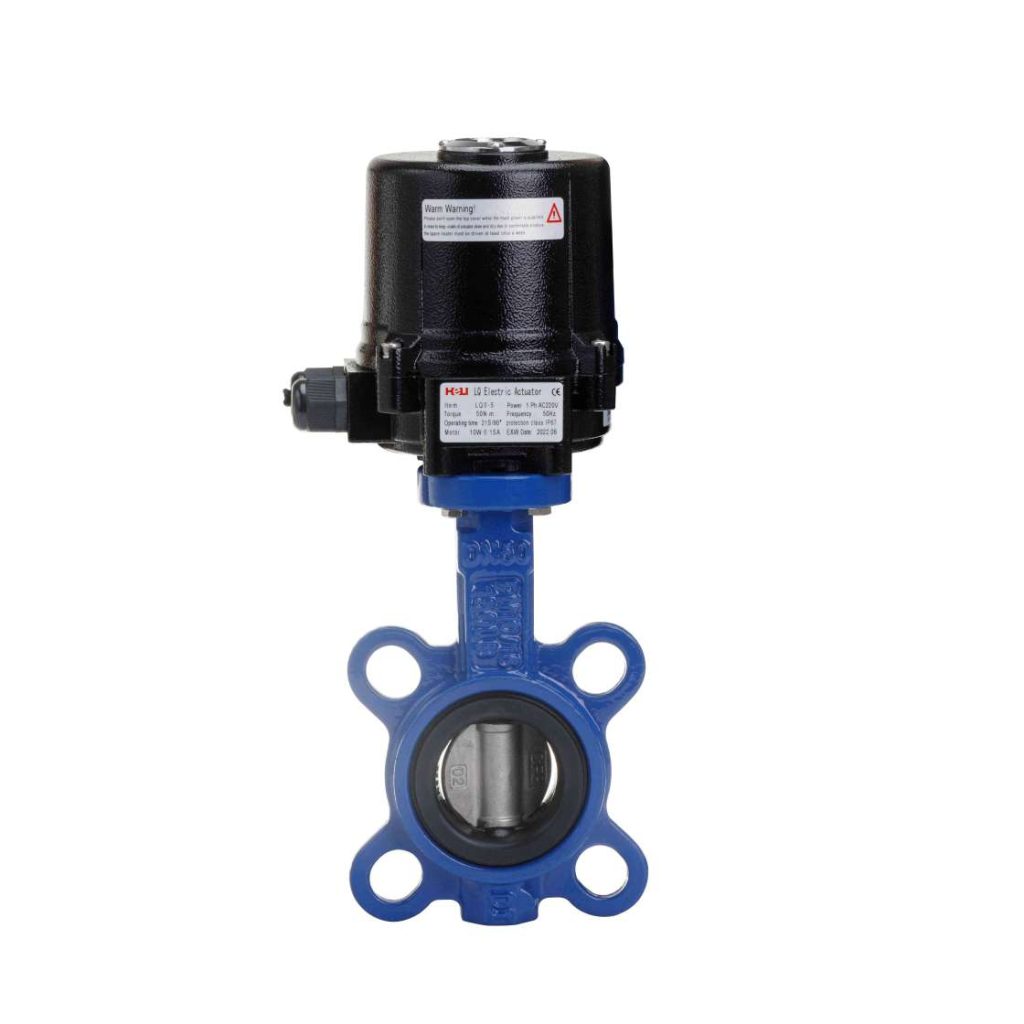
Understanding Electric Butterfly Valves
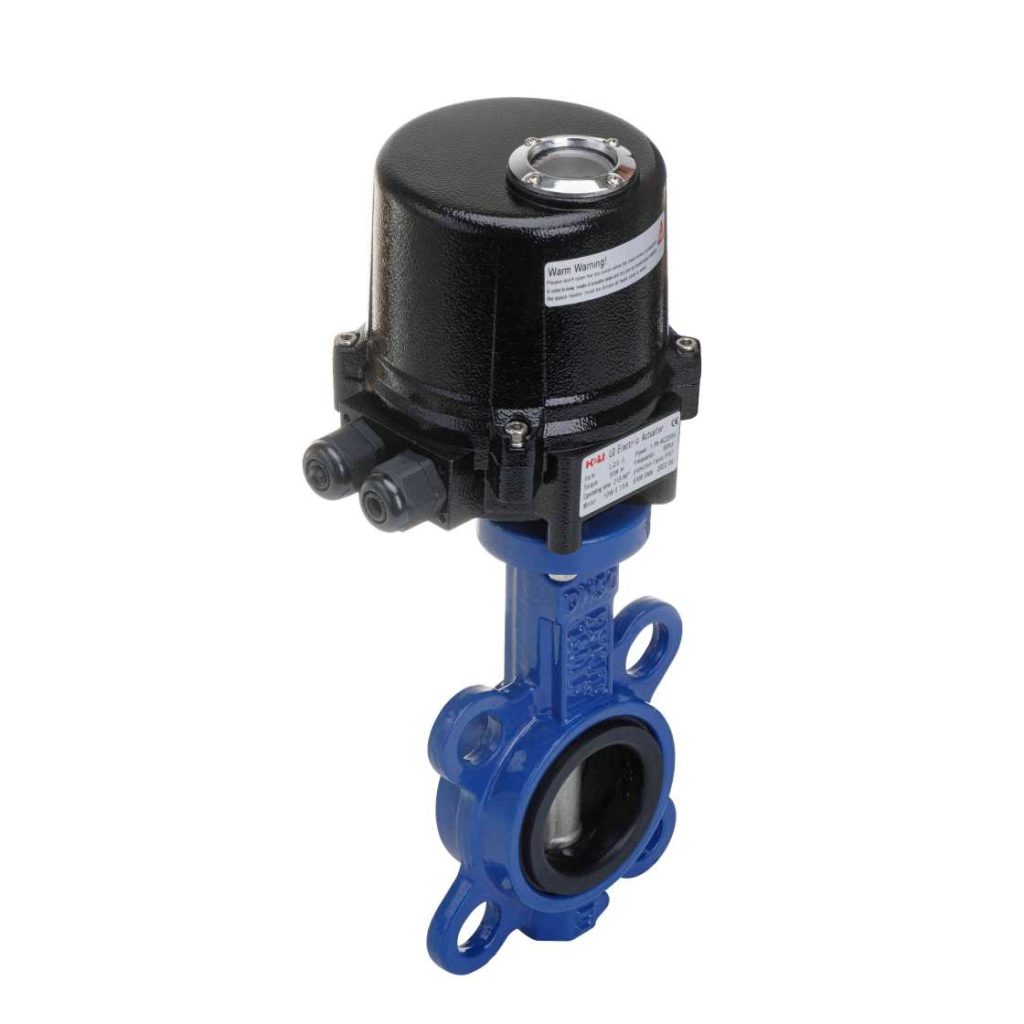
An electric butterfly valve is a type of flow control device that uses a rotating disc (the butterfly) to regulate the flow of water through a pipe. When the valve is closed, the disc stands perpendicular to the flow, blocking water passage. When opened, the disc aligns parallel to the flow, allowing water to pass through with minimal resistance. The electric actuator, which is responsible for opening and closing the valve, can be operated remotely, providing farmers with a streamlined method for controlling water movement. Advantages of Electric Butterfly Valves in Irrigation Precision Control: One of the primary benefits of electric butterfly valves is their ability to provide precise control over water flow. With the integration of automated irrigation systems, farmers can adjust water flow rates according to the specific needs of different crops or soil conditions. This not only optimizes water usage but also enhances crop yields by ensuring that plants receive the appropriate amount of moisture.