Relay testing is an essential part of maintaining and ensuring the reliability of electrical systems. Relays are protective devices that automatically detect faults and initiate corrective actions, such as disconnecting faulty circuits or triggering alarms. Since relays play a critical role in safeguarding both equipment and personnel, regular relay testing is crucial for preventing system failures, minimizing downtime, and improving overall safety. In this article, we will explore the importance of relay testing, the methods used, and the tools necessary to carry out an effective relay testing procedure.
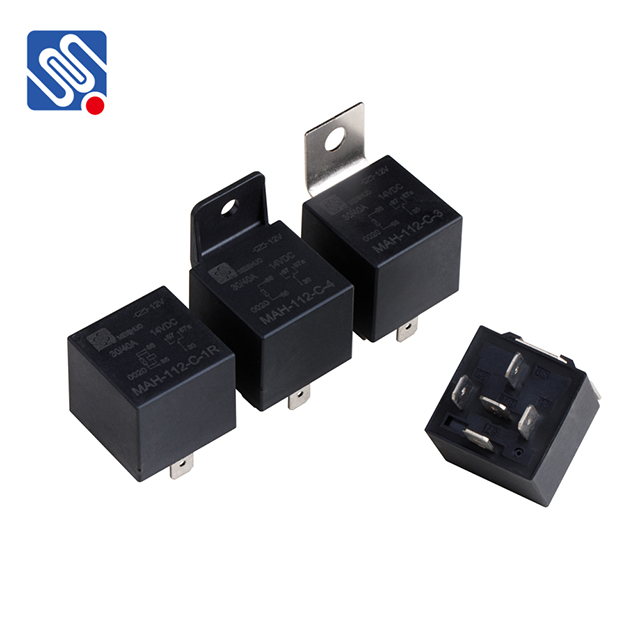
Importance of Relay Testing Electrical systems, particularly in industrial and utility settings, are often complex and interconnected. A failure in one part of the system can lead to cascading issues, affecting multiple components. Relays help mitigate these risks by isolating faulted sections of the system before damage can occur. For example, a protection relay might detect an overcurrent condition and immediately disconnect the circuit to prevent equipment damage or fires. However, like any other piece of equipment, relays can malfunction or degrade over time. Testing relays ensures that they will operate correctly when required. Relay testing verifies that the devices are properly calibrated, responsive to faults, and able to provide protection in line with the system’s safety requirements. Regular testing also helps in identifying potential issues before they result in catastrophic failures, thus extending the life of the electrical system.