The SO 280 relay socket is an essential component in the field of electrical engineering, widely used in automation systems and industrial control applications. Serving as the interface between a relay and an electrical circuit, it facilitates easy connections, ensures safe and secure operation, and simplifies the maintenance process. In this article, we will explore the key features, advantages, and common applications of the SO 280 relay socket.
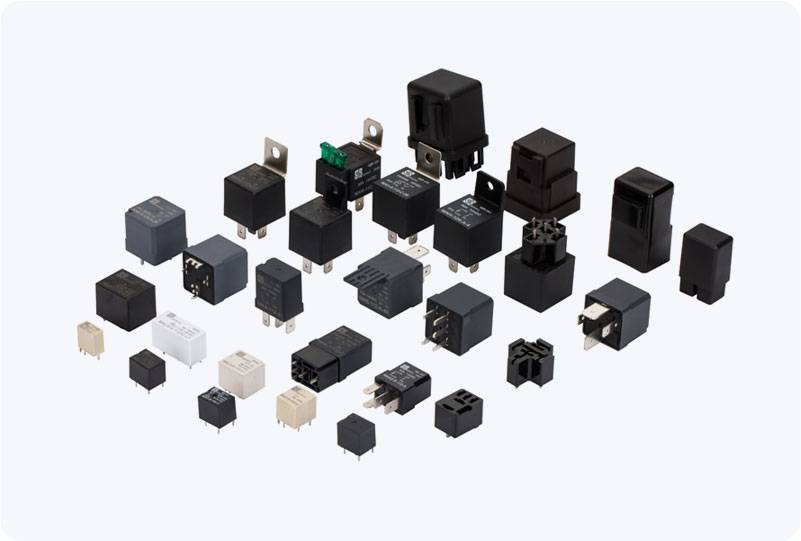
What is the SO 280 Relay Socket? The SO 280 relay socket is a specialized connector designed to hold a relay in place while providing a reliable electrical connection between the relay’s contacts and the external wiring. Typically made from durable, heat-resistant materials, this socket ensures stable performance even under demanding conditions. The “SO” designation refers to the socket’s specific size and configuration, which is designed to accommodate relays that adhere to standardized pin layouts. Relays are electro-mechanical switches used to control electrical circuits by opening or closing contacts in response to a control signal. The SO 280 relay socket facilitates easy insertion and removal of relays, making it ideal for systems where frequent maintenance or replacement of relays is necessary.