The SO 280 relay socket is a pivotal component in the world of electrical engineering and automation. This component is designed to provide a reliable interface between relays and electronic control circuits, thereby simplifying the installation and maintenance of various electrical systems. This article will explore the significance, structure, applications, installation, and best practices when using the SO 280 relay socket.
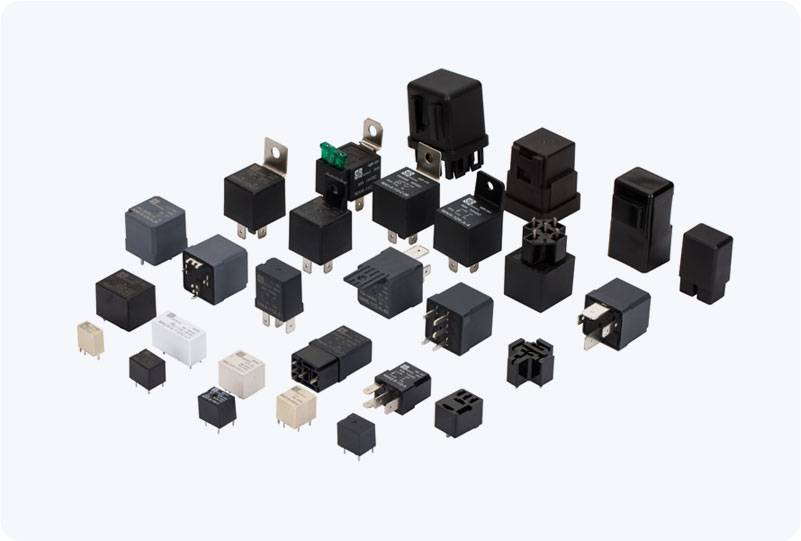
Understanding the SO 280 Relay Socket The SO 280 relay socket is specifically designed to accommodate SO 280 series relays, which are widely used in numerous applications such as industrial automation, automotive systems, and household appliances. The relay socket acts as an intermediary that allows relays to be easily inserted or removed without the need for soldering or extensive wiring changes. This ensures that users can maintain, replace, or upgrade components with minimal disruption. Structure and Design Typically made of durable plastic material that can withstand high temperatures and environmental stress, the SO 280 relay socket features several connection pins that align with corresponding pins on the relay. This pin layout is crucial for ensuring compatibility, as each pin serves a specific electrical function— often designated for coil connections, normally open (NO), normally closed (NC), and common (COM) terminals.