Relay wiring is an essential concept in the field of electrical and electronic systems, especially in applications where there is a need to control high-voltage circuits with a low-voltage signal. Relays are electromagnetic switches that use an electrical signal to control a separate, higher-powered circuit. This article will explore the basics of relay wiring, how to wire relays correctly, and some common applications of relays in various industries.
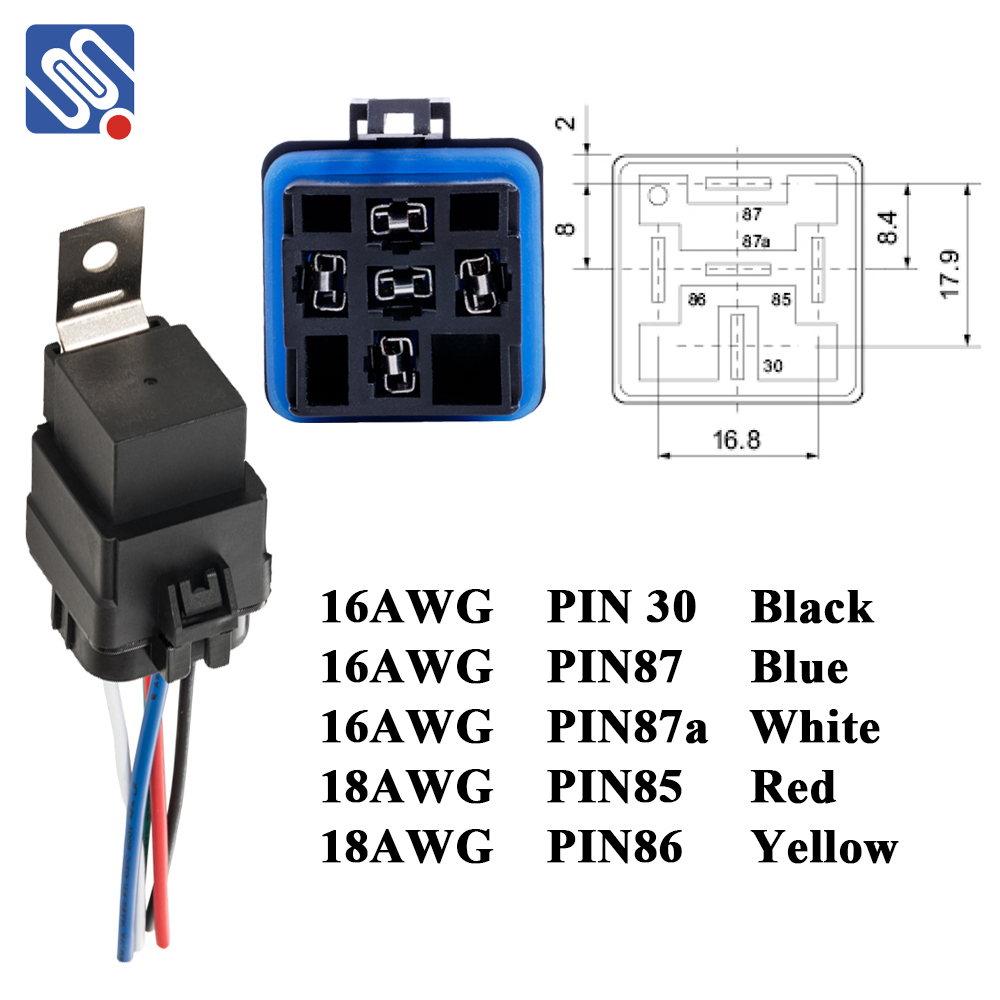
What is a Relay? A relay is an electrical device that uses an electromagnet to mechanically operate a switch. When a current flows through the relay’s coil, it generates a magnetic field that moves an armature, causing the switch to either close or open depending on the configuration of the relay’s contacts. This allows a low-power circuit to control a high-power circuit without the need for direct physical contact between the two. Understanding Relay Contacts A relay typically has multiple contacts that define the behavior of the relay in different conditions. The most common types of contacts in relays are: