Relays are essential components in electrical and electronic systems, acting as switches that control the flow of electricity through a circuit. They are commonly used in applications such as automation, protection systems, automotive electronics, and industrial machinery. When selecting a relay, one of the most critical specifications to consider is its relay voltage rating. This rating is essential for ensuring that the relay can operate safely and efficiently within the desired application. In this article, we will explore the significance of relay voltage ratings, their components, and how they influence the overall performance and reliability of a relay.
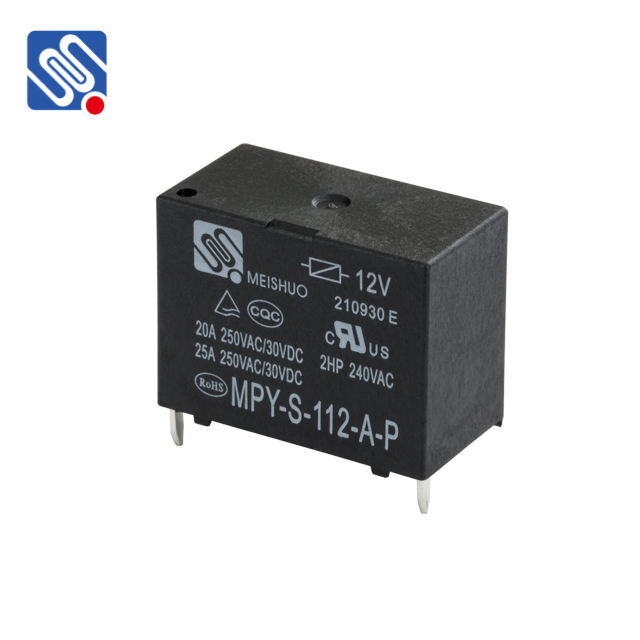
What is Relay Voltage Rating? The relay voltage rating refers to the maximum voltage that the relay can safely handle, both in terms of the coil voltage (the voltage required to activate the relay) and the contact voltage (the voltage the relay’s contacts can switch). These ratings are crucial for determining the compatibility of a relay with the circuit or system it is intended to control. There are two main aspects of relay voltage rating: Coil Voltage Rating: The coil voltage rating specifies the voltage needed to energize the relay’s coil, causing the relay to switch its contacts. This voltage is what triggers the mechanical action within the relay, either closing or opening the electrical contacts to complete or interrupt the circuit. The coil voltage rating is often available in a range of values, such as 5V, 12V, 24V, or 48V DC, depending on the relay type and application. It is important to ensure that the relay’s coil voltage matches the power supply voltage used in the circuit to avoid under-driving or over-driving the relay, which can affect its reliability and lifespan.