A Cold Water Solenoid Valve is an essential component used in various systems to control the flow of cold water. These valves are powered by an electromagnetic mechanism that opens or closes a valve based on an electric signal. As automation continues to take center stage in both domestic and industrial applications, understanding how cold water solenoid valves function, where they are used, and the benefits they provide is crucial for anyone involved in system design, maintenance, or troubleshooting.
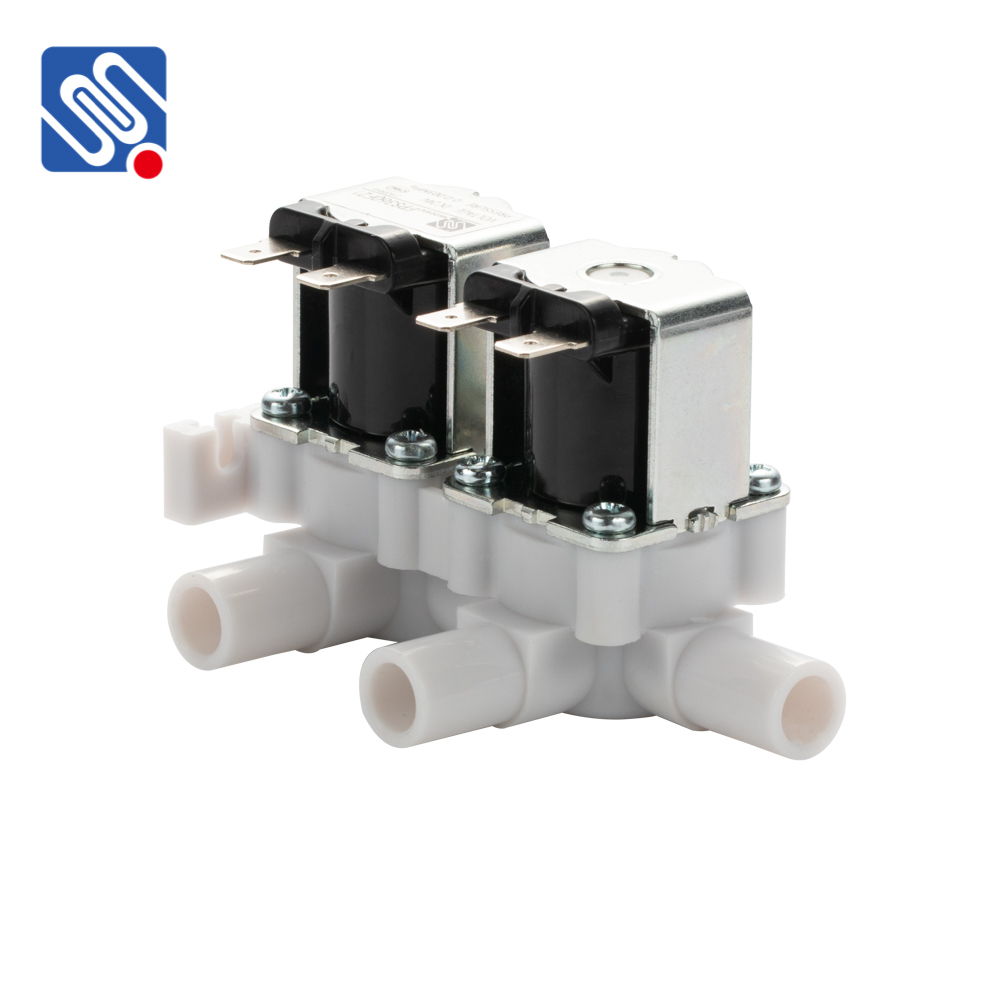
What is a Cold Water Solenoid Valve? At its core, a Cold Water Solenoid Valve is a type of electrically operated valve that regulates the flow of cold water. It works by utilizing an electromagnetic field to control the position of a valve seat. When an electrical current flows through the solenoid coil, it generates a magnetic field, which pulls the plunger or diaphragm in the valve to either open or close the flow path. When the current is turned off, a spring or gravity typically closes the valve, stopping the water flow. These valves are commonly used in systems that require precise control over water flow. Since solenoid valves are compact, reliable, and fast-acting, they have become a fundamental component in countless applications.