Safety in industrial workplaces is a top priority, especially when it comes to preventing accidents and injuries caused by machinery and equipment. One of the most effective ways to protect workers is through a lockout/tagout (LOTO) system, and safety lockout tags play a crucial role in this process. These simple yet powerful tools help ensure that equipment is properly de-energized and secured before maintenance or repair work begins. In this article, we will explore the importance of safety lockout tags, their key features, and their role in maintaining a safe working environment.
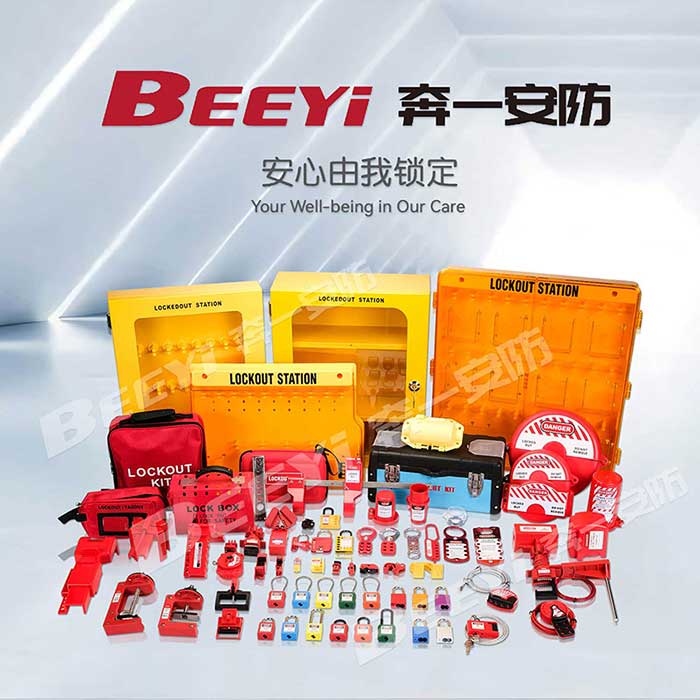
What Are Safety Lockout Tags? Safety lockout tags are warning devices used in conjunction with locks to indicate that a piece of machinery or equipment is out of service and should not be operated. Typically made of durable materials like plastic, nylon, or heavy-duty paper, these tags are designed to withstand environmental factors such as moisture, chemicals, and abrasion. They serve as clear visual signals to all personnel that the equipment is under maintenance or repair and cannot be used until the work is completed and the lockout is removed. The Role of Lockout/Tagout Systems Lockout/tagout (LOTO) systems are safety protocols that ensure machines and equipment are completely shut down before workers perform maintenance or repairs. These procedures are critical for preventing accidental machine starts, which can result in serious injuries or even fatalities. When used properly, lockout/tagout systems are effective in preventing electrical, mechanical, hydraulic, and other types of hazardous energy from being released while workers are servicing equipment.