Understanding Automation Relay: The Backbone of Industrial Automation Systems
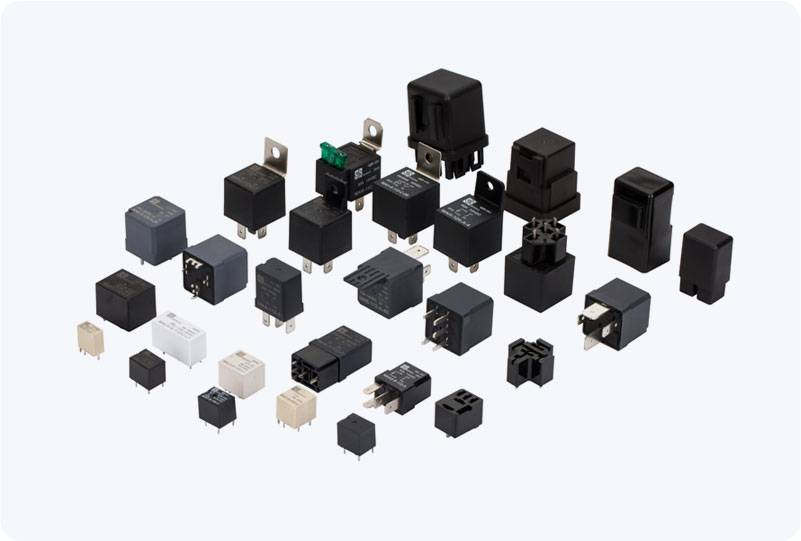
Automation relay systems are a critical component of industrial control and automation. In many industrial processes, where reliability and precision are key, these relays play an essential role in ensuring smooth, safe, and efficient operations. By enabling the control of circuits through electrical signals, automation relays are involved in tasks ranging from protecting electrical systems to controlling machinery operations. This article explores the key functions, types, and benefits of automation relays in modern automation systems. What is an Automation Relay? An automation relay is an electrically operated switch that allows a low-power electrical signal to control the switching of higher-power circuits. It acts as a bridge between the control system (which can be a PLC, microcontroller, or other automation system) and the equipment being controlled, such as motors, lights, or other machinery. When the control system sends a signal, the relay either opens or closes a set of contacts, which in turn controls the electrical flow to the equipment.