Water Solenoid Valves are key components in various fluid control systems, especially in industries that rely on automated water flow regulation. These valves leverage the power of electromagnetism to control the flow of water, making them essential in applications ranging from irrigation systems to household appliances and industrial machinery. In this article, we will explore the functionality, applications, and advantages of water solenoid valves, as well as their importance in modern automation.
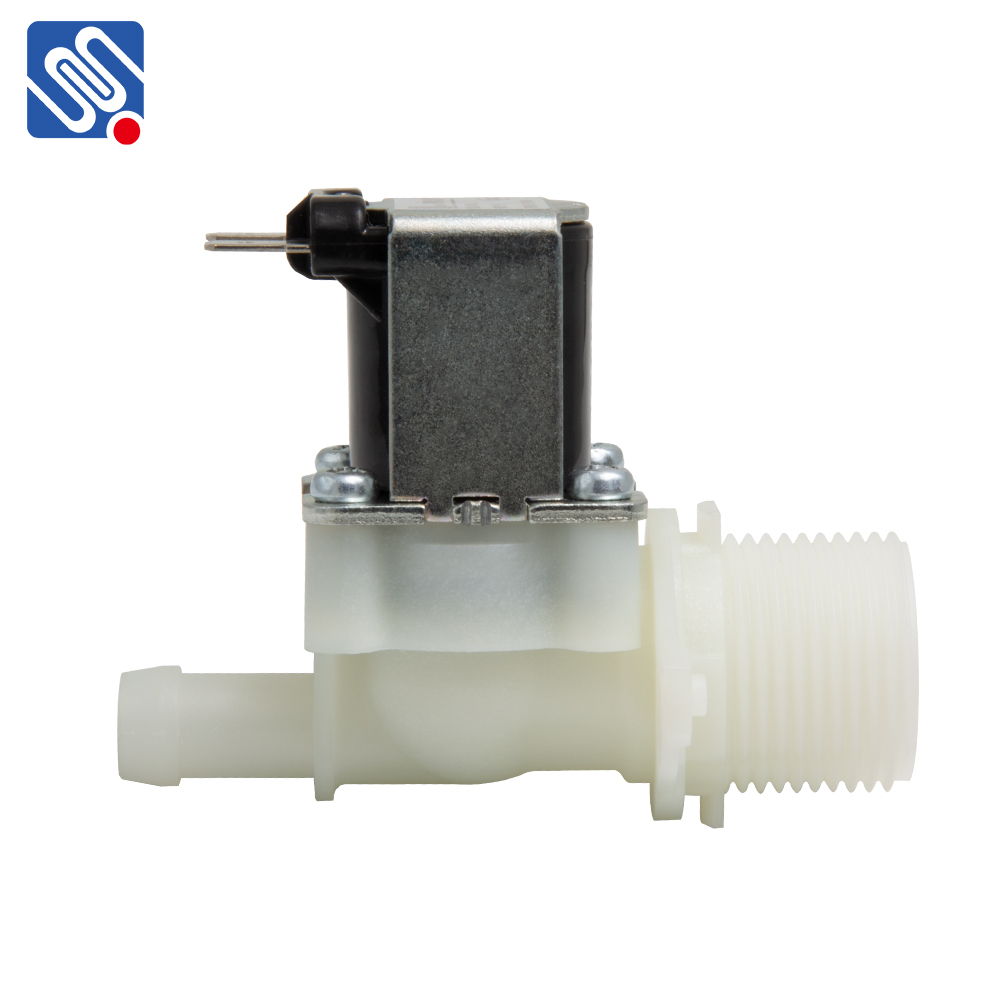
What is a Water Solenoid Valve? A water solenoid valve is an electromechanical device used to control the flow of water through pipes. It operates by using an electric current to generate a magnetic field that opens or closes a valve. The valve is typically composed of a solenoid coil, a plunger (or valve core), a spring, and the valve body. When electricity flows through the solenoid coil, it generates a magnetic field that pulls the plunger into the open position, allowing water to flow through the valve. When the power is turned off, the spring pushes the plunger back to its closed position, halting the water flow.