In modern electric vehicles (EVs) and energy storage systems (ESS), the role of high-voltage (HV) systems is indispensable. These systems operate at significantly higher voltages compared to conventional low-voltage circuits, making the safe and efficient management of electrical energy crucial. One of the key components in managing these high-voltage systems is the High Voltage DC Main Relay. This article explores the importance of the HVDC main relay, its functions, structure, and its impact on safety and energy efficiency in electric vehicles and other high-voltage applications.
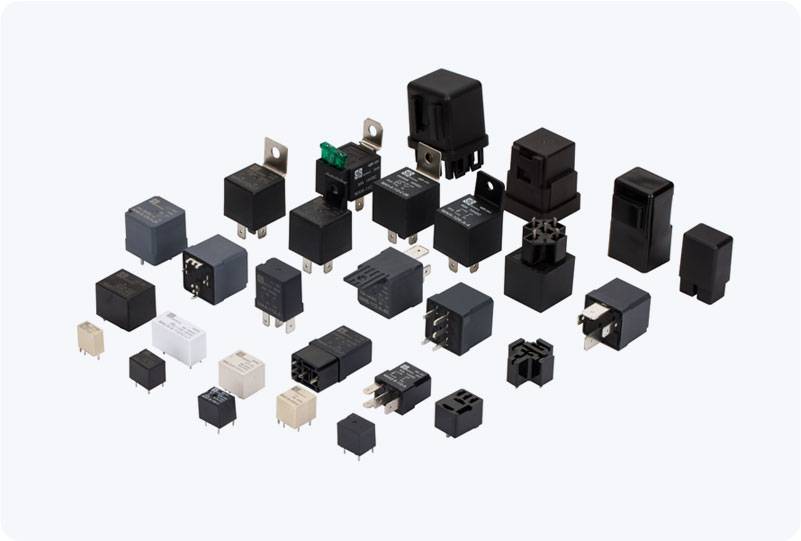
What is a High Voltage DC Main Relay? A High Voltage DC Main Relay is a crucial safety and control component in systems that involve high-voltage direct current (DC) circuits, such as electric vehicles, hybrid electric vehicles, and energy storage systems. Its primary role is to control the connection and disconnection of high-voltage circuits, enabling the safe management of electrical energy. Unlike alternating current (AC), DC circuits do not naturally cross zero volts, which makes the interruption of DC circuits more difficult and dangerous. Therefore, HVDC main relays are specifically designed to safely handle high-voltage DC currents and prevent potential hazards, such as electrical arcing.