In workplaces across the globe, safety is a top priority, especially in industries involving machinery, energy systems, and hazardous processes. One of the most effective ways to ensure a safe environment during maintenance or repair work is through the implementation of lockout/tagout (LOTO) procedures. A crucial part of this process is the use of safety padlocks, which prevent the accidental activation of machines and equipment during servicing. Safety padlock wholesalers play a pivotal role in providing these essential tools to businesses, ensuring that workers can safely perform their tasks without the risk of injury. This article explores the importance of safety padlocks, the role of wholesalers, and the key factors to consider when purchasing them.
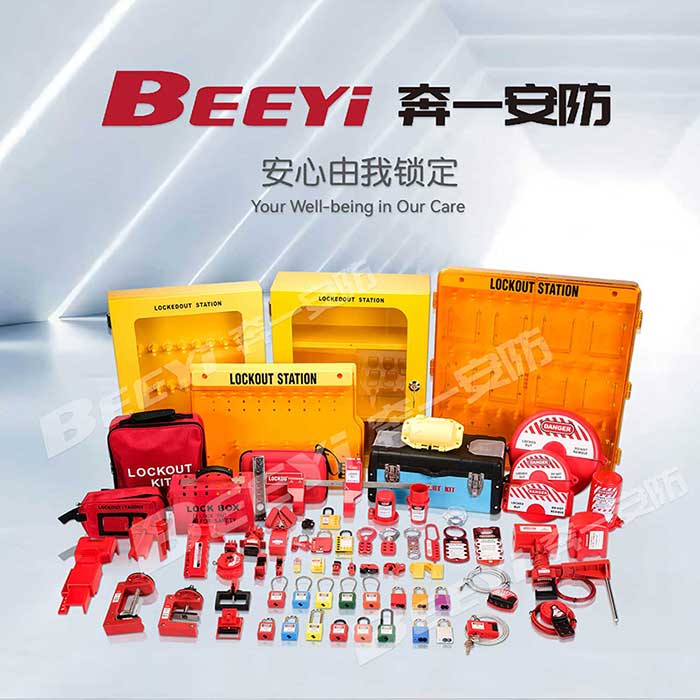
What are Safety Padlocks? Safety padlocks are specially designed locks used in lockout/tagout procedures. These locks are used to secure energy-isolating devices such as electrical panels, machinery, and pipelines to prevent the unintended release of energy. They ensure that the equipment remains in a de-energized state while maintenance work is being carried out, protecting workers from potentially fatal accidents. The use of safety padlocks is a critical component in complying with safety regulations such as OSHA (Occupational Safety and Health Administration) standards. There are various types of safety padlocks available, each designed for specific purposes. Some locks are designed for personal use, while others are meant for high-security environments. They are often color-coded and labeled to ensure clear identification of the person responsible for the lockout procedure. Additionally, these locks are built to be durable, corrosion-resistant, and tamper-proof, making them reliable in industrial settings.