The Building Water Supply Solenoid Valve is an essential component of modern water systems, found in both residential and commercial buildings. It plays a crucial role in regulating the flow of water, ensuring that water distribution is not only efficient but also automated. As the world moves toward smarter, more sustainable infrastructure, the use of solenoid valves in water supply systems has become increasingly common. In this article, we will explore the function, applications, types, and advantages of the Building Water Supply Solenoid Valve.
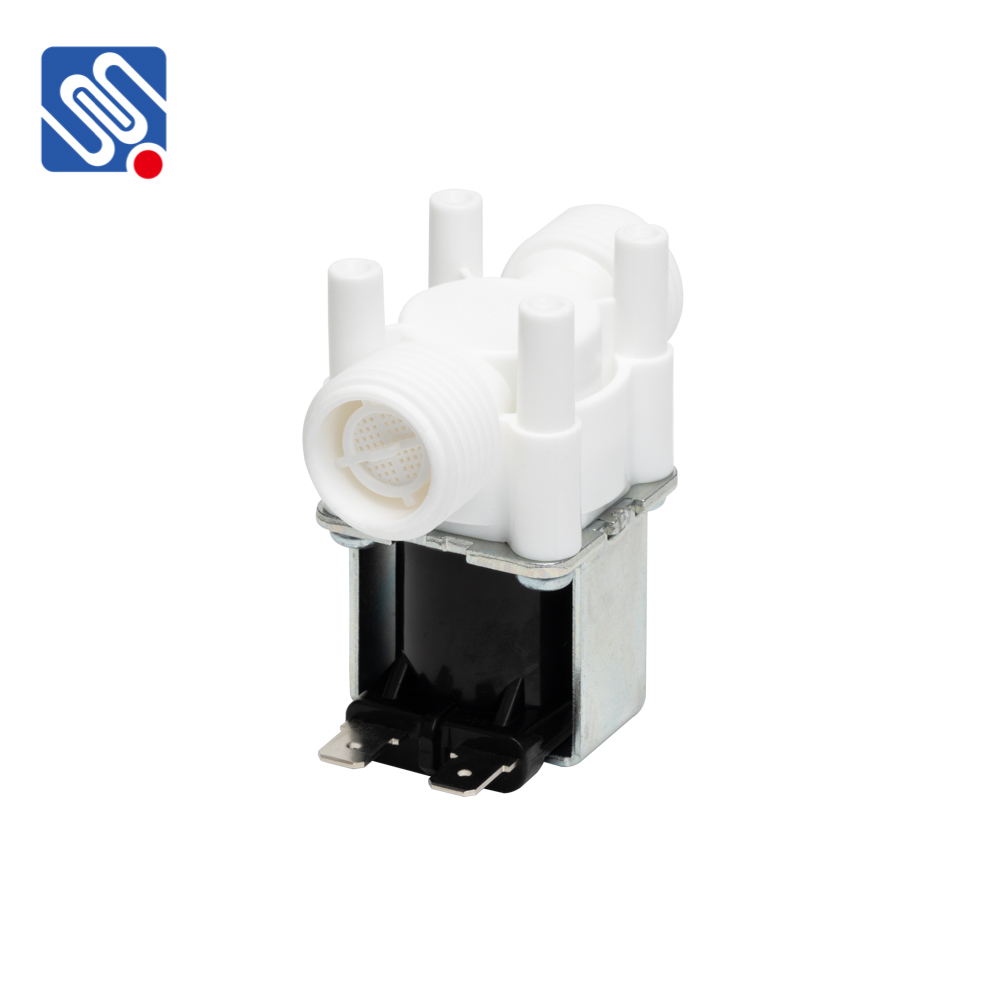
What is a Solenoid Valve? A solenoid valve is an electromechanical device used to control the flow of liquids or gases in a system. It operates by using an electric current to create a magnetic field, which then moves a plunger or diaphragm to open or close the valve. In the case of building water supply systems, solenoid valves are used to control water flow into different parts of a building’s plumbing infrastructure. Working Principle of a Building Water Supply Solenoid Valve The Building Water Supply Solenoid Valve works by utilizing the basic principles of electromagnetism. When the electric current passes through the solenoid (a coil of wire), a magnetic field is created, causing the plunger inside the valve to either open or close. Depending on the type of valve, this action either allows water to flow or stops it completely.