Building Water Supply Solenoid Valves are essential components in modern water management systems for residential, commercial, and industrial buildings. These valves serve as automatic controllers for water flow, playing a crucial role in ensuring that water supply systems operate efficiently and reliably. Whether in automatic irrigation, fire safety systems, or complex plumbing designs, solenoid valves offer precise control over water flow, improving system functionality and performance.
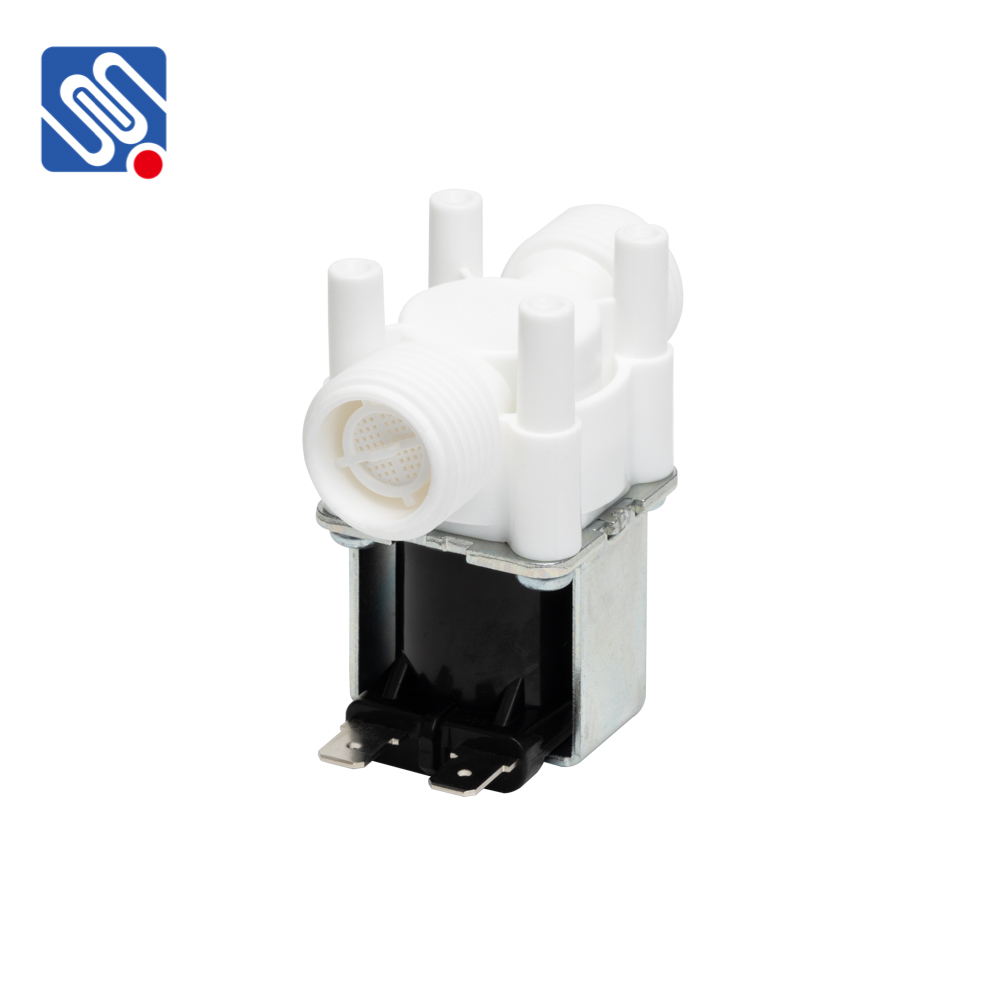
What is a Building Water Supply Solenoid Valve? A solenoid valve is an electrically operated valve that controls the flow of water through a pipe. It uses an electromagnet to open or close the valve depending on the current applied to the coil. When current is passed through the solenoid coil, it generates a magnetic field that either opens or closes the valve, allowing water to flow or stopping it entirely. In the absence of current, the valve typically remains in a default position—either open or closed, depending on the design. In building water supply systems, solenoid valves are designed to work with automated systems to regulate water flow. This automation is particularly useful in systems requiring precise control, such as irrigation systems, fire suppression systems, or water filtration plants. The ability to control water flow remotely is an advantage in large buildings or complex infrastructure projects, ensuring efficient water management.