Overload Protection Relays (OPRs) play an essential role in safeguarding electrical equipment from potential damage caused by excessive currents. These devices are designed to detect when an electrical circuit is drawing more current than it is rated for, triggering the necessary action to disconnect the load and prevent overheating, fire, or component failure. As critical safety devices, overload protection relays are used in a wide range of applications, including motors, transformers, and industrial electrical circuits. This article explores the importance, working principle, types, and applications of overload protection relays, shedding light on why they are indispensable in modern electrical systems.
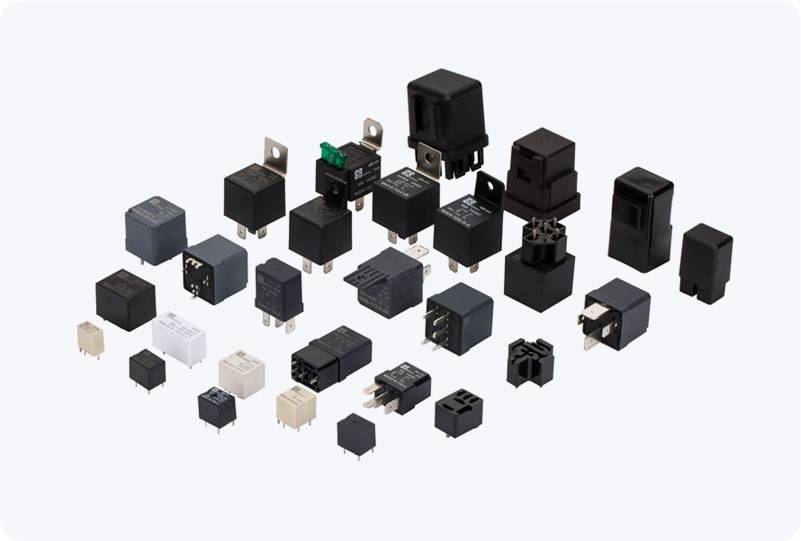
Importance of Overload Protection Relays In electrical systems, current fluctuations are inevitable due to various operational factors. However, when the current exceeds the safe operating limit for an extended period, it can lead to severe consequences such as insulation breakdown, equipment malfunction, or even fire. Overload protection relays are designed to mitigate these risks by monitoring the electrical current and cutting off the power supply if the current surpasses a predefined threshold. One of the key reasons why overload protection relays are indispensable is that they provide a preventive solution to the damage caused by prolonged overloads. Without these devices, motors, generators, and other sensitive equipment could be permanently damaged, resulting in costly repairs, downtime, and safety hazards.