Telecommunication relay is a critical technology in the world of communication, playing a vital role in ensuring that data and voice signals reach their intended destinations over long distances. It serves as a bridge that overcomes challenges like signal attenuation and interference, which can degrade communication quality. Whether in wired or wireless systems, telecommunication relays are the unsung heroes that ensure a seamless exchange of information in today’s connected world. In this article, we explore what telecommunication relays are, how they work, and why they are essential in modern communication networks.
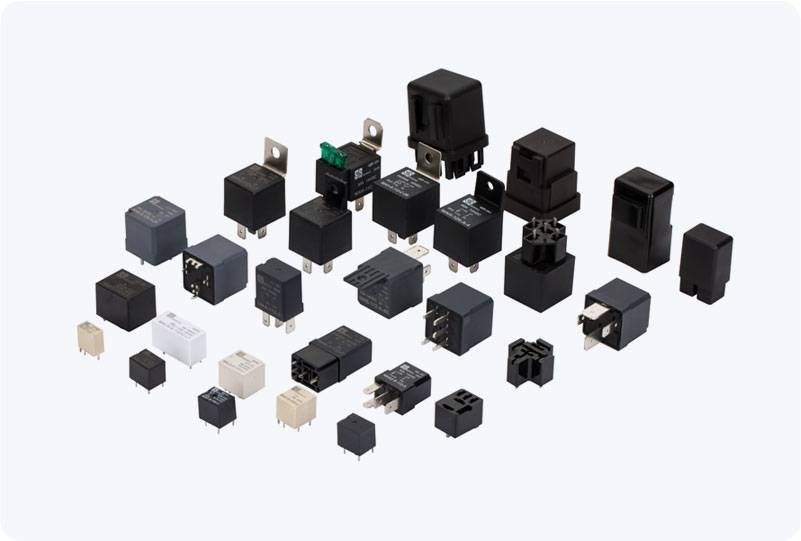
What is Telecommunication Relay? At its core, a telecommunication relay is any device or system that facilitates the transmission of signals across various distances and mediums. In the context of telecommunication networks, a relay serves the purpose of amplifying, re-routing, or transforming signals to ensure that they can be transmitted efficiently and accurately from one point to another. The technology is used in both traditional telecommunication systems, such as telephone networks, and newer technologies like satellite communication, fiber optics, and wireless networks. Types of Telecommunication Relays