Automation relays are essential components in control systems, bridging the gap between electrical circuits and the automated processes that are essential to modern industry. These devices, which function similarly to traditional relays, have undergone significant advancements in technology and application, making them integral to various automation solutions. This article delves into the fundamentals, types, functionality, and applications of automation relays, showcasing their importance in contemporary automation environments.
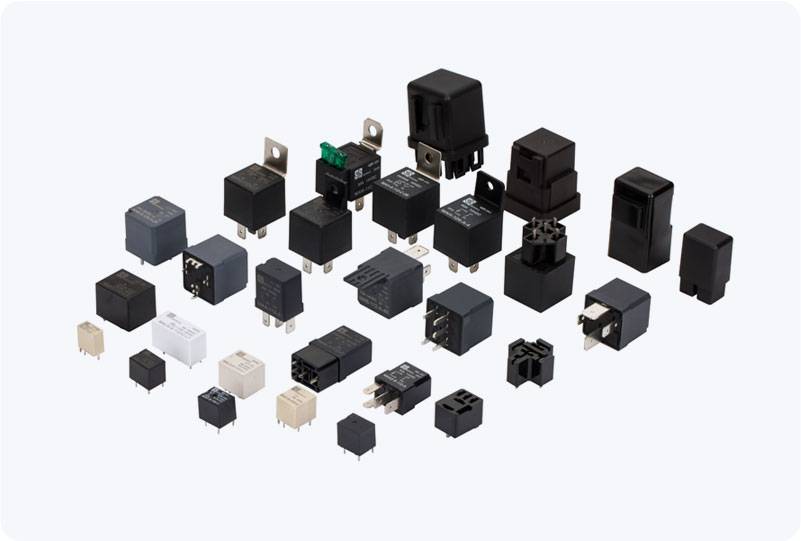
At its core, an automation relay is an electromechanical or solid-state device designed to open or close an electrical circuit when a specific condition is met. The primary role of these relays is to control the flow of electricity, enabling or disabling machinery and equipment based on signals received from sensors, switches, or programmable logic controllers (PLCs). By automating these processes, businesses can significantly enhance operational efficiency, reduce labor costs, and improve safety. There are several types of automation relays, each serving unique functions and applications. The most common types include electromagnetic relays, solid-state relays, time-delay relays, and monitoring relays.