In modern power systems, ensuring reliable operation and effective management of electrical circuits is essential. Among the various components used to achieve this, the Latching Relay for Power Systems plays a significant role. Unlike traditional relays, which reset to their default state once power is removed, latching relays can maintain their state even after power is lost. This unique feature provides numerous benefits in the context of power systems, including energy efficiency, enhanced reliability, and simplified control.
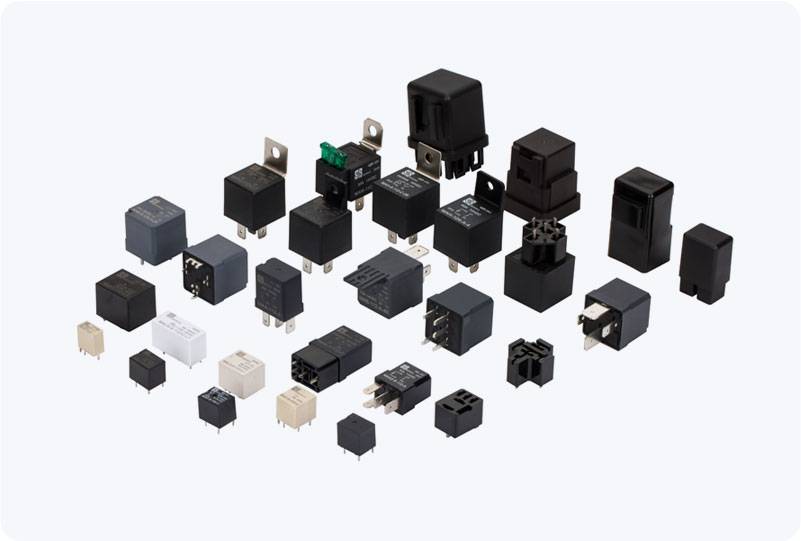
What is a Latching Relay? A latching relay, also known as a bistable relay, is a type of relay that has two stable states: an “on” state and an “off” state. These relays are designed to maintain their last position even after the control signal or power supply is removed. To change the state of a latching relay, a pulse or signal is applied, either to set it to the “on” state or to return it to the “off” state. Unlike conventional relays that require continuous power to hold a position, a latching relay only uses power momentarily during the switching process, making it more energy-efficient.