In industrial settings, ensuring the safety of workers is paramount. One essential tool that contributes significantly to this safety is the safety padlock. These specialized locks are crucial in preventing accidental machine activation during maintenance or repair work. They are often used in lockout/tagout (LOTO) procedures, which are designed to control hazardous energy sources and protect workers from potential harm. This article delves into the features, applications, and benefits of safety padlocks in the workplace.
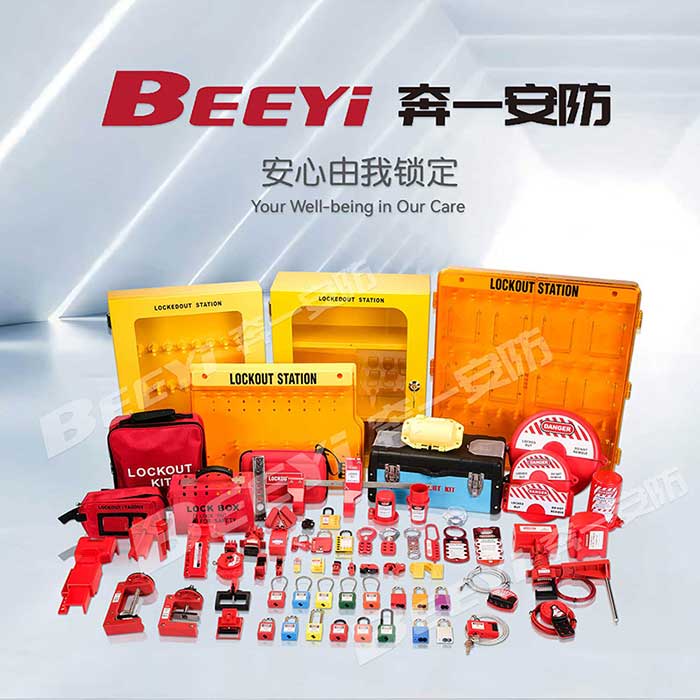
What is a Safety Padlock? A safety padlock is a type of lock specifically designed to secure equipment and machinery during maintenance activities. Its purpose is to prevent workers from being exposed to hazardous energy, which could lead to injuries or fatalities. Safety padlocks are part of a broader safety protocol known as lockout/tagout (LOTO), where workers physically lock out equipment and attach tags to alert others that the machinery is undergoing maintenance or repair. Safety padlocks come in various designs, but they all share the common goal of ensuring that equipment cannot be accidentally started or re-energized while workers are in the danger zone. These locks are typically durable and can withstand tough environments, making them a reliable choice for protecting workers in industries such as manufacturing, construction, and chemical processing.