A Hot Water Solenoid Valve is a critical component in both residential and industrial settings, playing an essential role in the control of water flow, particularly in systems involving hot water. These valves use an electromagnetic mechanism to manage the flow of water through pipes, ensuring that water is delivered to appliances, machines, and systems only when needed. This article explores the working principle, applications, benefits, and important considerations when using hot water solenoid valves.
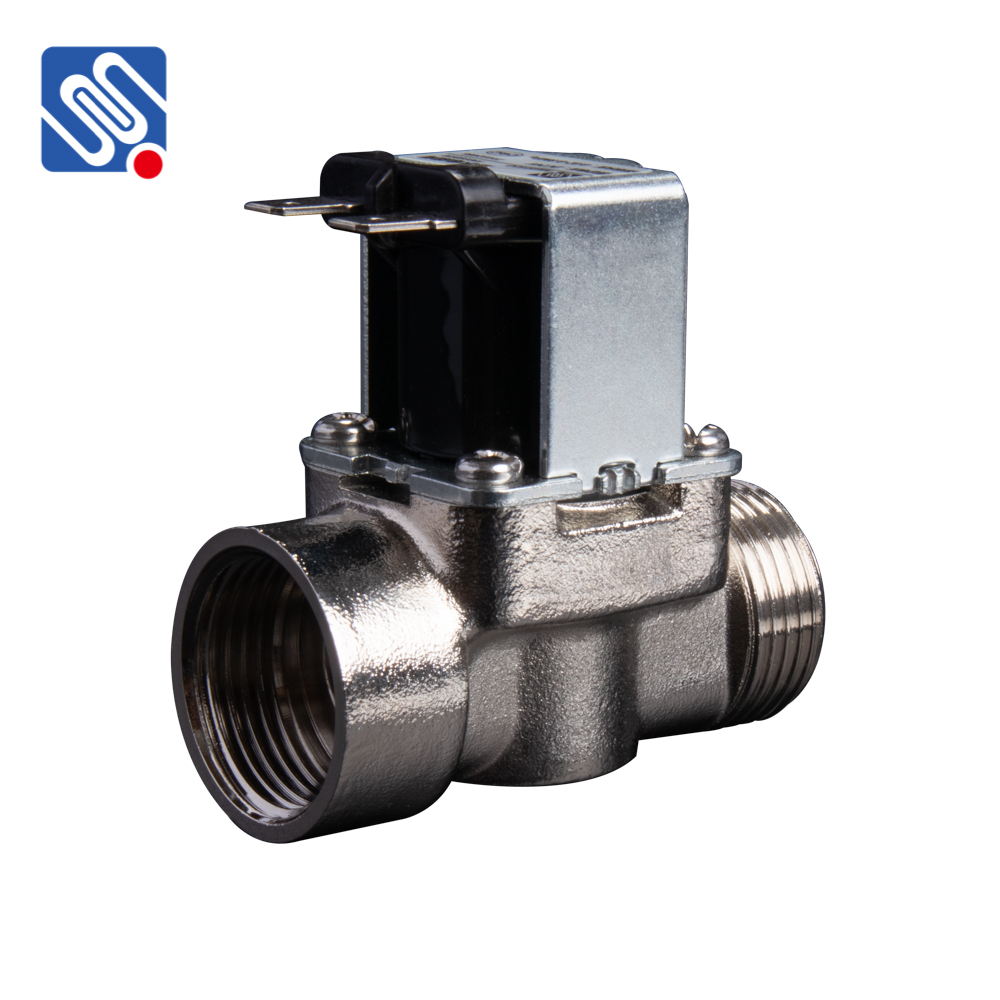
Working Principle of Hot Water Solenoid Valves The operation of a hot water solenoid valve is based on the principle of electromagnetism. The valve contains an electromagnetic coil that, when activated, generates a magnetic field strong enough to move a plunger or armature. This movement opens or closes the valve, regulating the flow of water. When the coil is energized, it pulls the plunger away from the valve seat, allowing hot water to pass through the valve. When the coil is de-energized, the plunger returns to its resting position, sealing the valve and stopping the water flow. This mechanism offers a simple yet highly efficient way to control the flow of water in a wide range of systems. The ability to open and close the valve remotely, through electrical signals, allows for automated control and enhances the overall functionality of the system in which the valve is installed.