Understanding the Electromechanical Relay: Function, Types, and Applications
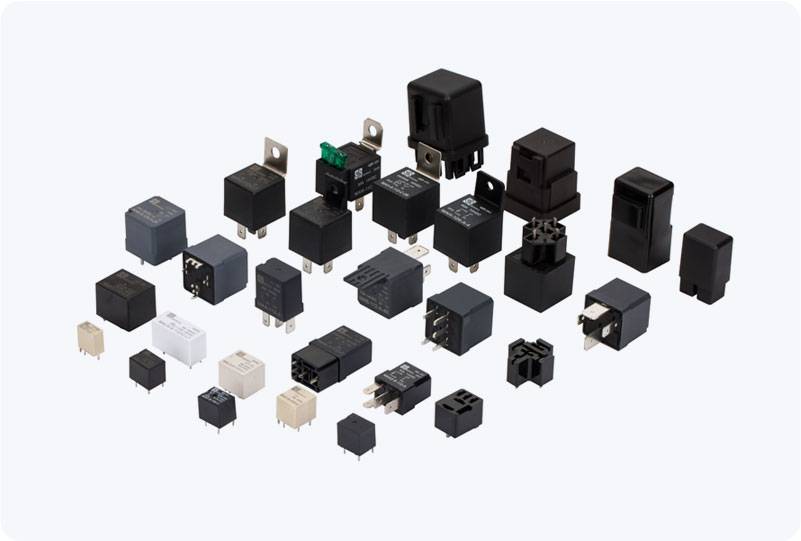
An Electromechanical Relay (EMR) is a crucial component in electrical and electronic systems. It acts as an electrical switch that uses an electromagnet to mechanically open or close contacts in a circuit. This fundamental device has found wide applications in automation, communication, power distribution, and home appliances. Despite the rise of solid-state relays, electromechanical relays continue to be essential in many industries due to their reliability and simplicity. What is an Electromechanical Relay? At its core, an electromechanical relay consists of a coil, armature, contacts, and a spring. When an electric current flows through the coil, it creates a magnetic field, which attracts the armature. This movement causes the contacts to either make or break a connection, thereby controlling the flow of electricity in the circuit. When the current is turned off, the magnetic field collapses, and the armature returns to its original position, typically aided by a spring.