In industrial environments, machinery and equipment powered by pneumatic systems present a significant safety risk, especially during maintenance or repair work. Pneumatic systems, which rely on compressed air to operate, can store large amounts of energy. If this energy is inadvertently released while a worker is performing maintenance, it can result in serious injuries or even fatalities. This is where Industrial Pneumatic Lockouts come into play, serving as critical tools for safeguarding workers from the hazards associated with pneumatic equipment.
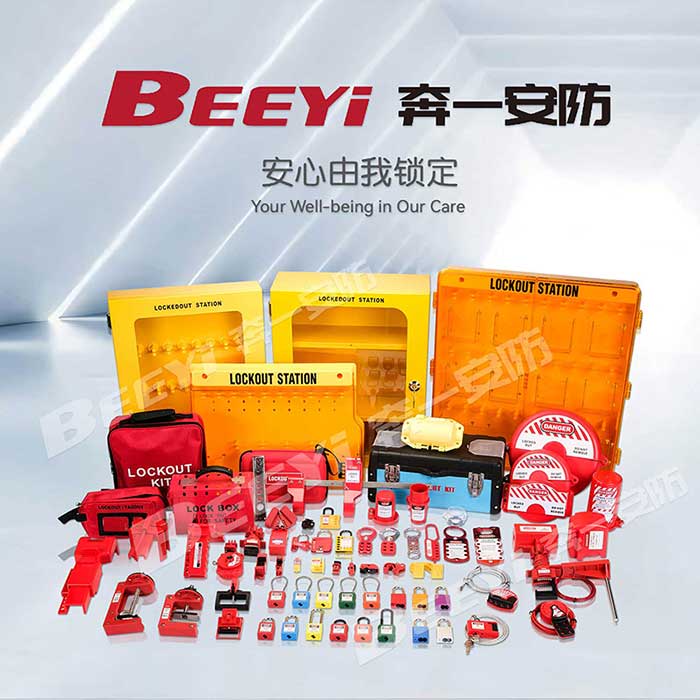
The Importance of Lockout/Tagout (LOTO) Procedures Before diving into the specifics of pneumatic lockouts, it’s essential to understand the broader context of lockout/tagout (LOTO) procedures. These procedures are designed to ensure that dangerous machinery is properly shut down and cannot be accidentally re-energized while maintenance work is being performed. The concept of LOTO is widely adopted in industrial settings to prevent injuries caused by unexpected machine starts. For pneumatic systems, LOTO procedures involve isolating the energy source (compressed air) and physically locking it in a position that prevents accidental release. While electrical and hydraulic lockout devices are also common, pneumatic lockouts are equally crucial, as compressed air can be just as dangerous if mishandled.