Relay solutions have become integral components of modern electrical and automation systems. These solutions enable seamless communication, control, and protection within a wide range of industrial, commercial, and residential applications. By facilitating signal transmission and controlling the flow of electricity, relay systems enhance the efficiency, safety, and reliability of various electrical networks. This article explores the concept of relay solutions, their key components, applications, and the benefits they offer in diverse industries.
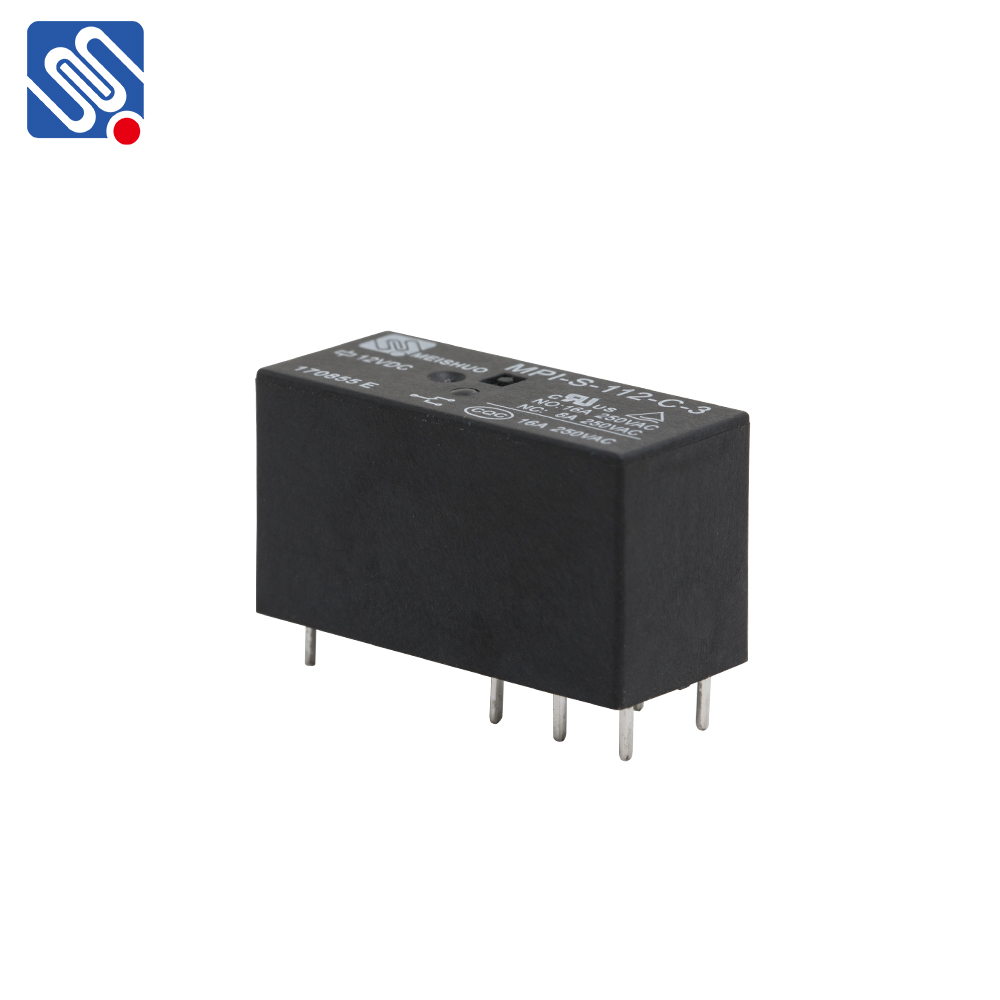
What Are Relay Solutions? At their core, relay solutions refer to the use of relay systems for controlling electrical circuits, providing automation, and ensuring protection. A relay is essentially an electrically operated switch that opens or closes a circuit in response to a signal, typically used to control high-voltage or high-current devices with a low-voltage signal. Relay solutions encompass both the hardware (the relays themselves) and the software systems designed to manage and optimize their performance in complex environments. Relay solutions play a critical role in industrial automation, power distribution, and safety systems. They help manage the flow of electricity in a controlled manner, allowing for automated processes while also providing safety mechanisms in case of faults or abnormal conditions.