In today’s fast-paced industrial landscape, ensuring the safety of workers is paramount. One effective method to safeguard employees from hazardous energy sources during maintenance and repair activities is the implementation of the LOTO (Lockout/Tagout) safety lock system. This procedure is not only a legal requirement in many jurisdictions but also an essential practice for promoting a culture of safety within organizations. This article delves into the importance of LOTO safety locks, their components, benefits, and best practices to ensure compliance and effectiveness in various work environments.
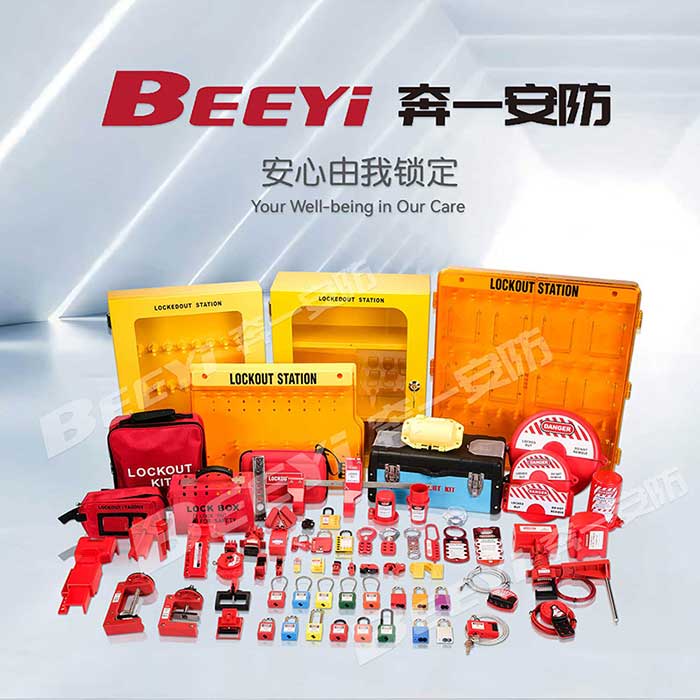
Understanding LOTO Safety Locks LOTO pertains to a set of safety procedures that are designed to ensure that machinery and equipment are properly shut off and not able to be started up again prior to completion of maintenance or servicing work. The primary goal of LOTO is to prevent unexpected energization, start-up, or release of stored energy, which could pose significant risks to workers. The LOTO safety lock system primarily involves the use of locks and tags to isolate energy sources and communicate the status of the work being performed. Key Components of LOTO A typical LOTO procedure involves several critical components: