In today’s world of automation and control systems, the need for efficient and reliable devices has never been more critical. Among the various components utilized in these systems, the latching relay stands out for its unique characteristics and benefits. This article will provide a comprehensive overview of latching relays, exploring their operating principles, advantages, applications, and their increasing relevance in modern technology.
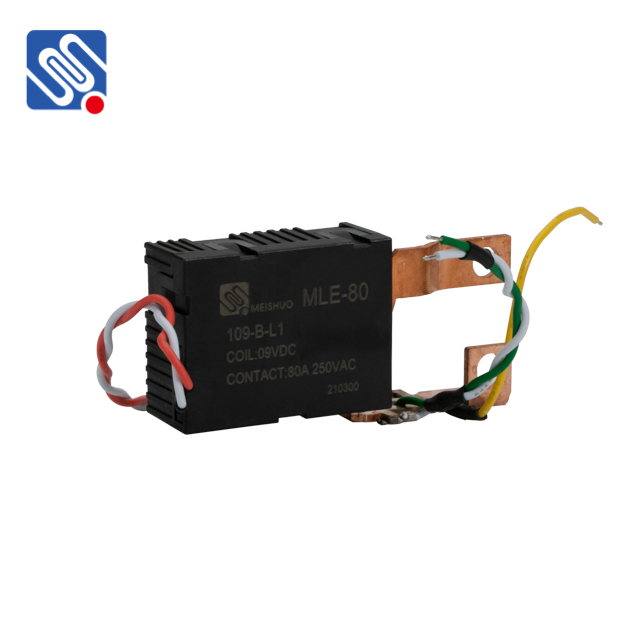
What is a Latching Relay? A latching relay, also known as a bistable relay, is an electromechanical switch that maintains its position after being activated, without the need for continuous power. Unlike standard relays, which return to their default state when power is removed, latching relays ‘remember’ their last state until they receive a command to switch to the opposite state. This feature makes them ideal for applications where minimizing power consumption is essential. How Does a Latching Relay Work? At its core, a latching relay operates using a mechanism that holds its contacts in place even when the control voltage is removed. There are two primary types of latching relays: