In our increasingly digital world, the demand for robust and reliable wireless connectivity has never been more critical. As homes and businesses expand their reliance on wireless technology, issues such as signal strength, coverage areas, and interference have become prominent challenges. One effective solution that has emerged to address these challenges is the wireless relay. This article delves into the concept of wireless relay, exploring its functionalities, types, applications, advantages, and considerations for implementation.
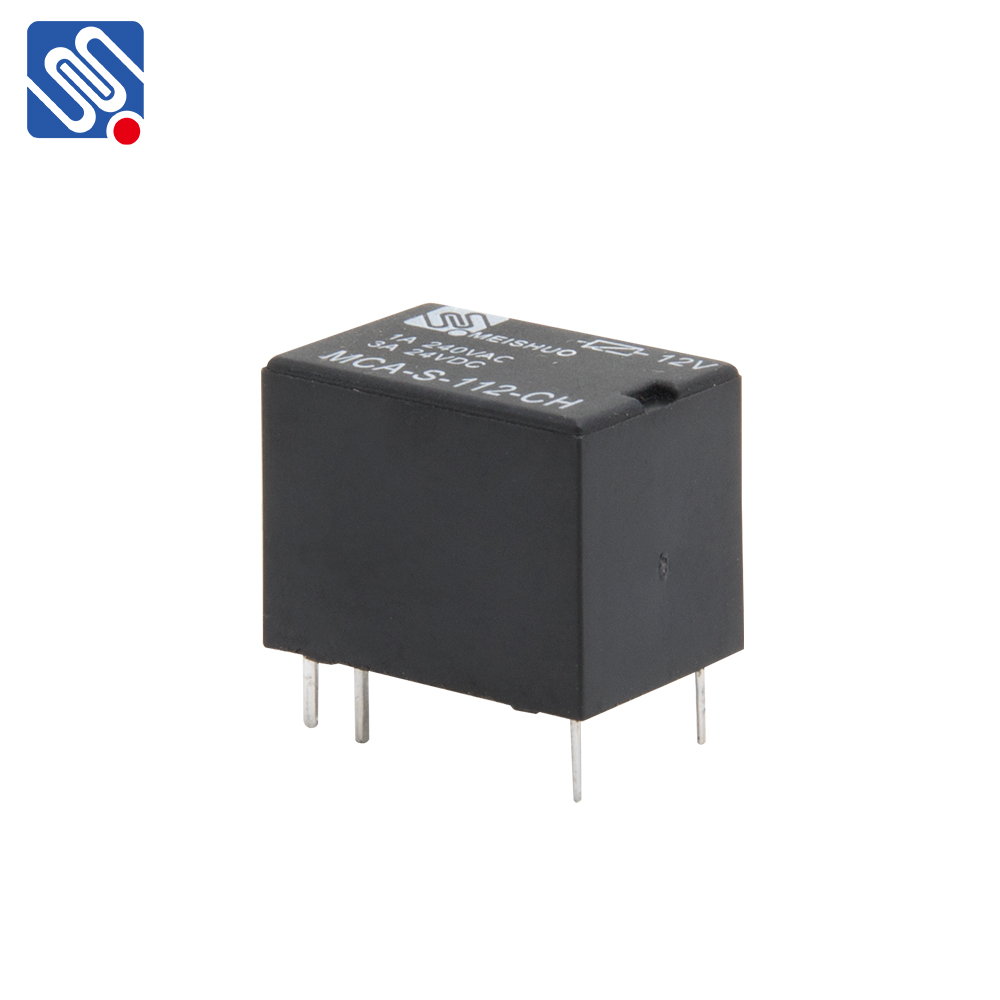
What is Wireless Relay? A wireless relay acts as an intermediary device, capturing wireless signals from a source, amplifying them, and then retransmitting them to extend the coverage area. This technology significantly enhances the reach of wireless networks, allowing signals to penetrate walls, bypass obstacles, and cover larger distances than typical routers alone can achieve. How Does Wireless Relay Work? The operation of a wireless relay can be broken down into three essential steps: Signal Reception: The relay device receives wireless signals from the main source, such as a Wi-Fi router or base station.